
In my house, casseroles are the weeknight safety net. But I am going to be honest: the thing that used to trip me up was the binder. You know, that creamy “everything hugs together” layer that canned condensed soup makes so easy.
The good news is you can ditch the cans without sacrificing comfort. Once you learn a couple of quick stovetop basics, you can make creamy, reliable casseroles with pantry staples you probably already have.
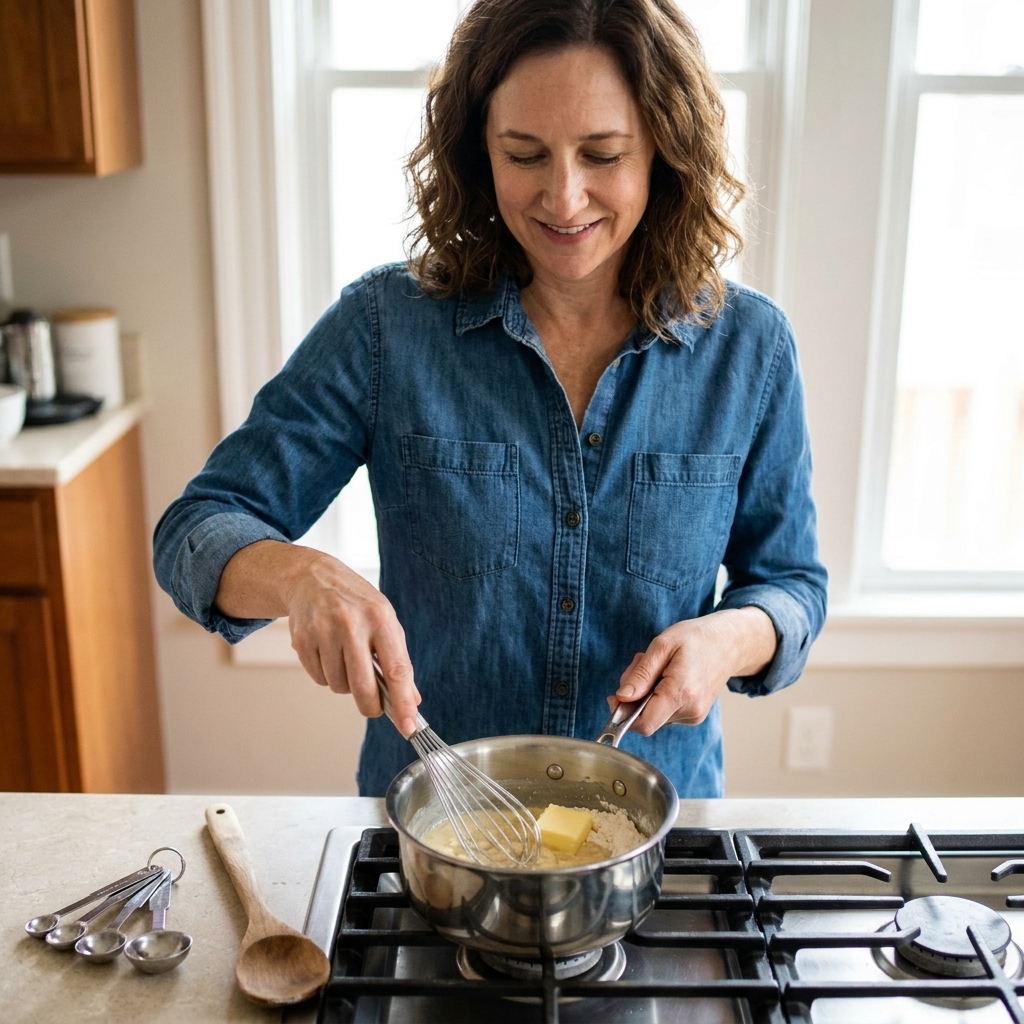
Below are my five favorite homemade binders for dinner casseroles, including the fast ratios I use, when to choose each one, and the little tricks that keep your baked dish creamy instead of dry or soupy.
What a binder does
A binder is not just “something creamy.” In a casserole, it has three jobs:
- Thicken the liquid released by vegetables, cooked meat, and pasta as everything bakes.
- Carry flavor into every bite so you do not end up with bland noodles and salty topping.
- Protect texture so the casserole slices and scoops nicely, without a watery moat or gummy center.
One quick rule from my 9x13 pan years: more moisture needs more thickening power. If you are using watery veggies (mushrooms, zucchini, frozen spinach) or saucy add-ins (salsa, tomatoes), choose a binder with real starch structure, like a sturdier roux sauce or a slurry.
Quick bake temp
Most casseroles bake best at 350°F, which gives your binder time to settle in without drying the edges. If you are using a yogurt or sour cream binder, this is also the safest zone. Higher heat increases the chance of curdling.
Binder #1: Roux + broth
If you are replacing a can of condensed soup, this is the swap I reach for most. It is simple, flexible, and it plays well with chicken, turkey, beef, tuna, and vegetable casseroles.
Base ratio (makes about 2 cups)
- 4 tbsp butter (or oil)
- 4 tbsp all-purpose flour
- 2 cups warm broth (chicken, beef, or veggie)
- Salt and pepper to taste
How to make it
- Melt butter in a saucepan over medium heat.
- Whisk in flour and cook 1 to 2 minutes, until it smells toasty but not browned.
- Slowly whisk in warm broth. Simmer 3 to 6 minutes until it coats a spoon and a swipe leaves a clean track.
Flavor boosters (pick 1 or 2)
- 1 tsp Dijon mustard
- 1/2 tsp garlic powder or onion powder
- 1/2 cup sautéed onions or mushrooms
- A splash of Worcestershire for beef casseroles
- 1/4 cup grated Parmesan for extra body
Best for
- Chicken and rice casseroles
- Turkey tetrazzini style bakes
- Beef and noodle casseroles
- Any recipe that calls for “1 can cream of something”
Clara tip: If your casserole includes salty ingredients (ham, bacon, packaged stuffing mix), hold back on salt in the binder until you taste it at the end.
Binder #2: Béchamel
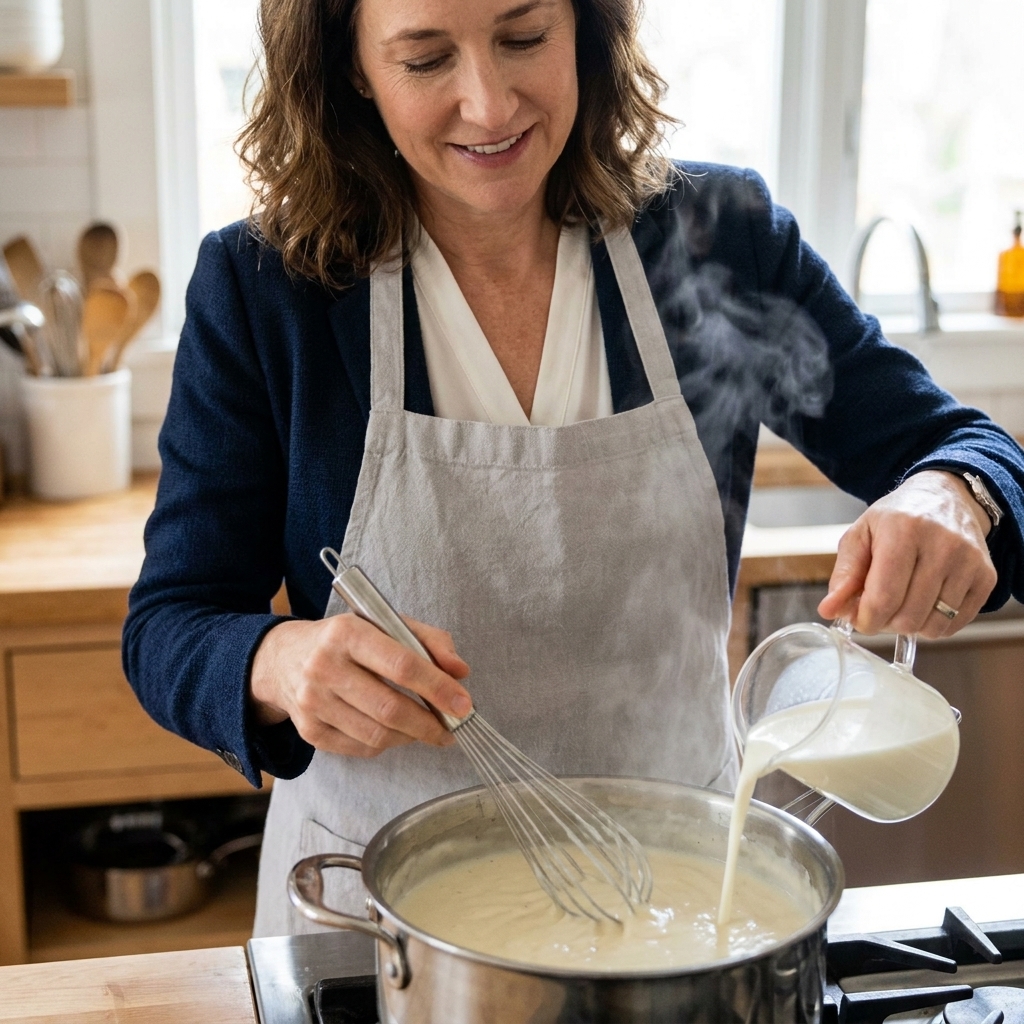
Béchamel sounds fancy, but it is just roux with milk. It bakes up silky and gives you that cozy, creamy backbone for tuna noodle, chicken broccoli, and anything with pasta.
Base ratio (makes about 2 cups)
- 4 tbsp butter
- 4 tbsp flour
- 2 cups warm milk (whole milk is best)
- 1/2 tsp salt, plus pepper
How to make it
- Make a roux with butter and flour, cooking 1 to 2 minutes.
- Whisk in warm milk gradually.
- Simmer gently 5 to 8 minutes, whisking often, until it looks like a pourable pudding and coats the back of a spoon.
Make it casserole-friendly
- For extra richness, swap 1/2 cup milk for half-and-half.
- For more stability in the oven, whisk in 2 to 4 oz cream cheese until smooth.
- Add a pinch of nutmeg for old-school comfort, especially with spinach or mushrooms.
Moisture control note: Béchamel can thin out if your add-ins release lots of water. If you are using frozen veggies, thaw and squeeze them dry first, or pair béchamel with a little cheese for backup thickening.
Binder #3: Cheese sauce
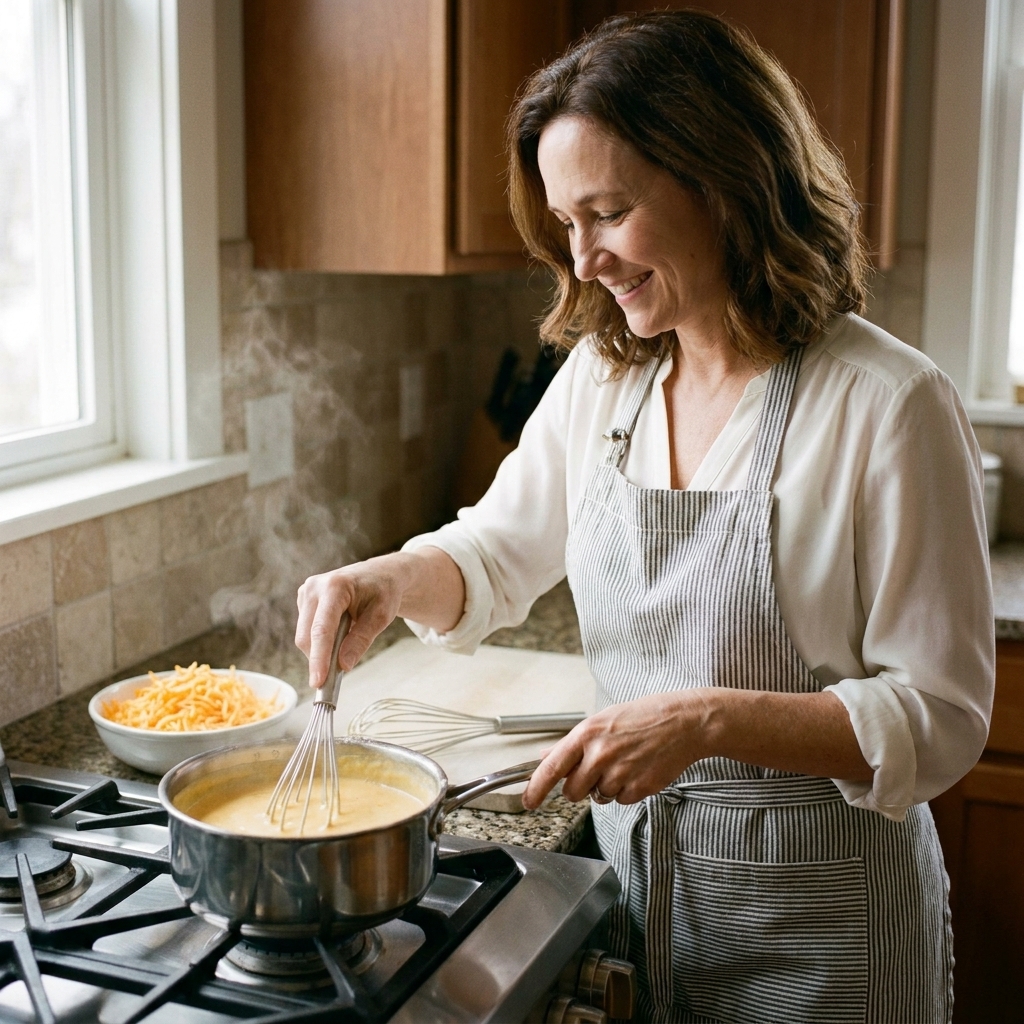
Cheese sauce is the binder when you want the casserole to feel like a warm blanket. It is also sneaky-good for kid-friendly veggie casseroles because cheese makes everything more inviting.
Base ratio (makes about 2 to 2 1/2 cups)
- 4 tbsp butter
- 4 tbsp flour
- 2 cups warm milk
- 2 cups shredded cheese (sharp cheddar is my go-to)
How to make it without grainy cheese
- Make a roux with butter and flour.
- Whisk in milk and simmer until it thickens into a sturdy sauce, 5 to 8 minutes. You want a thick gravy that clings to the spoon before you add cheese.
- Turn heat to low. Add cheese by handfuls, stirring until melted before adding more.
Best cheeses for smooth melting
- Sharp cheddar (shred your own if you can)
- Monterey Jack or Colby Jack
- Gruyère for grown-up flavor
Easy variations
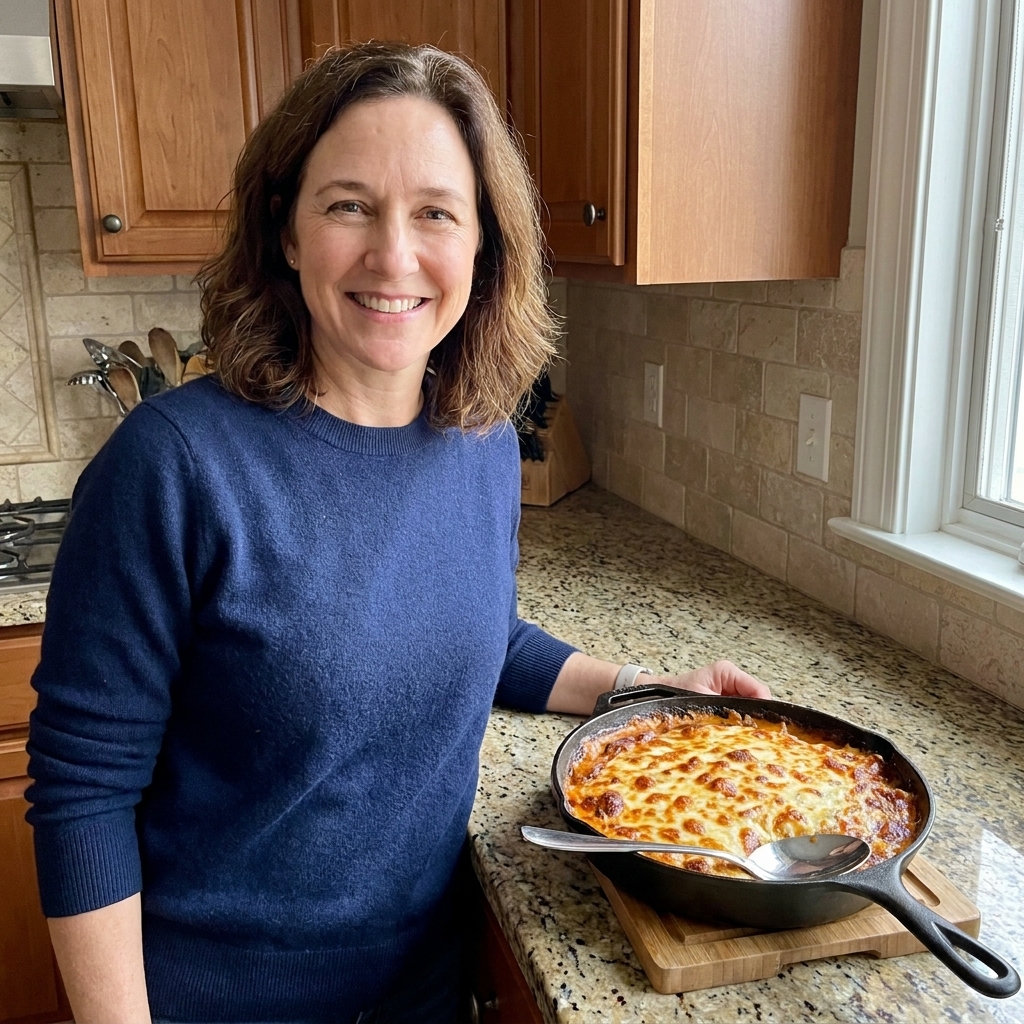
- Tex-Mex: add 1/2 tsp chili powder, a pinch of cumin, and a spoonful of salsa, then use it in enchilada style casseroles.
- Broccoli cheddar: stir in 1/2 tsp dry mustard and a dash of hot sauce.
- “Cream of mushroom” vibe: sauté sliced mushrooms and fold them into the sauce before mixing.
Clara tip: Pre-shredded cheese can work, but it often has anti-caking starches that make sauces a little dull. If your sauce looks thick but tastes flat, a pinch of salt and a squeeze of lemon perk it right up.
Binder #4: Yogurt or sour cream
This is my fastest binder for casseroles that do not need a heavy gravy base. It is tangy, creamy, and perfect for chicken bakes, taco casseroles, and anything you want to taste “fresh” instead of heavy.
Base idea (makes about 2 cups)
- 1 1/2 cups plain Greek yogurt or sour cream
- 1/2 cup broth or milk (thin to your liking)
- 1 to 2 tbsp flour or cornstarch (optional, for extra hold)
- Seasonings: salt, pepper, garlic powder, onion powder
How to use it
- Whisk everything together in a bowl.
- Optional but helpful: temper it by whisking a few spoonfuls of warm (not boiling) casserole filling into the yogurt mixture, then stir the warmed mixture into the rest.
- Stir into your cooked filling, then bake.
Where it shines
- Chicken enchilada style casseroles
- Green chile chicken bakes
- Loaded baked potato casseroles
- Taco pasta bakes
Important: Yogurt can curdle if baked too hot and too long. For best results, keep the casserole saucy (do not skimp on liquid), cover for the first half of baking, and avoid broiling.
Binder #5: Vegetable purée
If you want creaminess without relying on dairy, puréed vegetables are a wonderful binder. They also add natural thickness and a gentle sweetness that works beautifully with chicken, sausage, and veggie-forward casseroles.
Great purée options
- Cauliflower: mild and neutral, perfect for “hidden veggie” creaminess
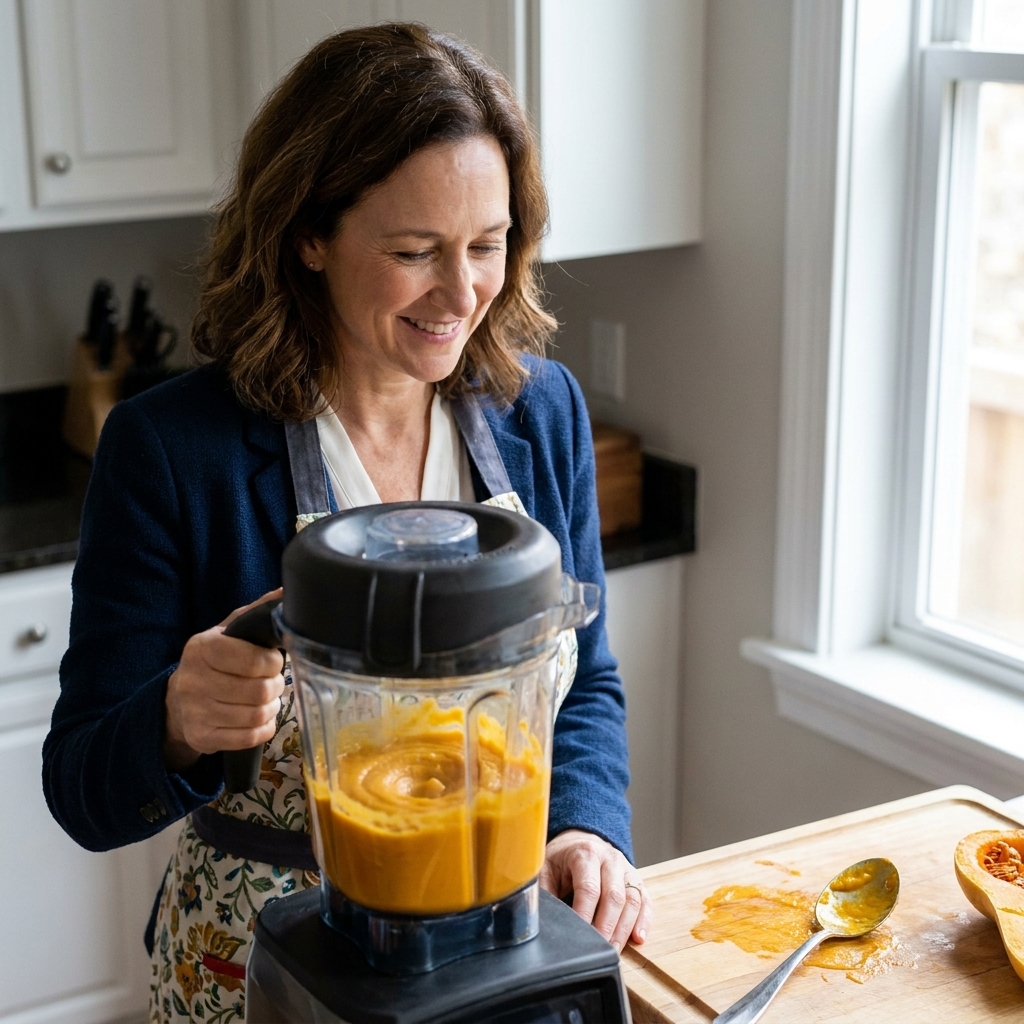
- Butternut squash or pumpkin: cozy and slightly sweet, great with sage and sausage
- White beans: creamy and filling, great in chicken and spinach bakes
- Roasted sweet potato: thicker and richer, great with smoky flavors
How to make it (fast method)
- Cook your vegetable until very soft (steam cauliflower, roast squash, simmer beans).
- Blend with a splash of broth or milk until smooth.
- Season well. Purées need salt, pepper, and usually garlic or onion to taste “casserole cozy.”
How much to use
In a 9x13 casserole, I often replace about 1 1/2 to 2 cups of creamy sauce with purée. If the mixture feels too thick to stir easily, loosen it with broth a few tablespoons at a time.
Clara tip: Purées thicken as they sit. If you are assembling ahead, mix in a little extra liquid so it does not bake up stiff.
Condensed soup swap guide
Many classic casseroles call for 1 can of condensed cream soup. Here is an easy way to swap without doing math while your kids are asking what is for dinner.
| If the recipe calls for | Swap with | Notes |
|---|---|---|
| 1 can condensed soup (about 10.5 oz) | 1 1/2 to 2 cups homemade binder | Use the thicker end for watery add-ins like mushrooms or frozen veggies. |
| 2 cans condensed soup | 3 to 4 cups homemade binder | You may need a larger mixing bowl, and a few extra minutes of bake time. |
| Condensed soup + 1/2 cup milk | Use a thinner sauce (closer to 2 cups) or add extra broth | A too-thick sauce can bake up dry once pasta soaks it in. |
Freezer and make-ahead tips
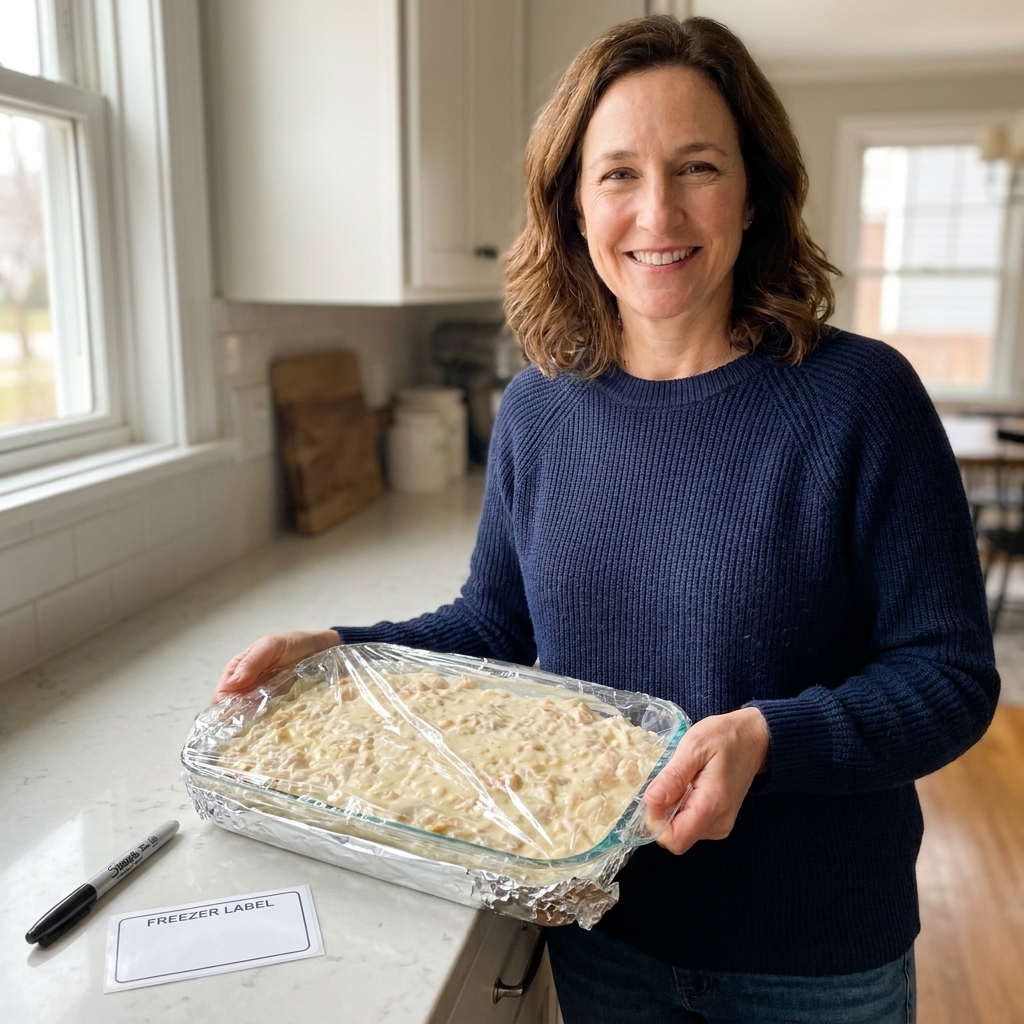
I keep two emergency meals in my chest freezer at all times, and creamy casseroles can freeze beautifully if you set them up for success.
Best binders for freezing
- Roux-based sauces (broth, béchamel, cheese sauce): usually freeze well. On thawing, you might notice a little thinning or separation, especially with milk-based sauces, but it comes back together with reheating.
- Vegetable purées: excellent freezer texture.
- Yogurt or sour cream binders: can separate after freezing, but still taste fine. I prefer these for fridge make-ahead (24 to 48 hours) rather than deep freezer storage.
My no-soggy-bottom checklist
- Cool the filling before assembling if possible. Hot filling creates steam, and steam becomes water.
- Keep crunchy toppings off until baking day. Add crackers, chips, and fried onions right before it goes in the oven.
- Undercook pasta slightly if you are freezing. It will finish cooking as it reheats.
- Thaw overnight in the fridge for the most even bake. If baking from frozen, cover tightly and plan for extra time.
Reheating cue: You want the center to be bubbling at the edges, not just hot on top. If the sauce looks a little broken after thawing, reheat gently and give it a good stir, or add a small splash of broth or milk and whisk it back smooth.
Troubleshooting
“My casserole turned out watery.”
- Vegetables released water. Next time, sauté mushrooms, drain tomatoes, and squeeze thawed frozen spinach dry.
- Your binder was too thin. Simmer roux-based sauces until they are noticeably thick before mixing. If you need an emergency fix, whisk 1 tbsp cornstarch into 2 tbsp cold broth, stir it into the hot sauce, and simmer 1 minute.
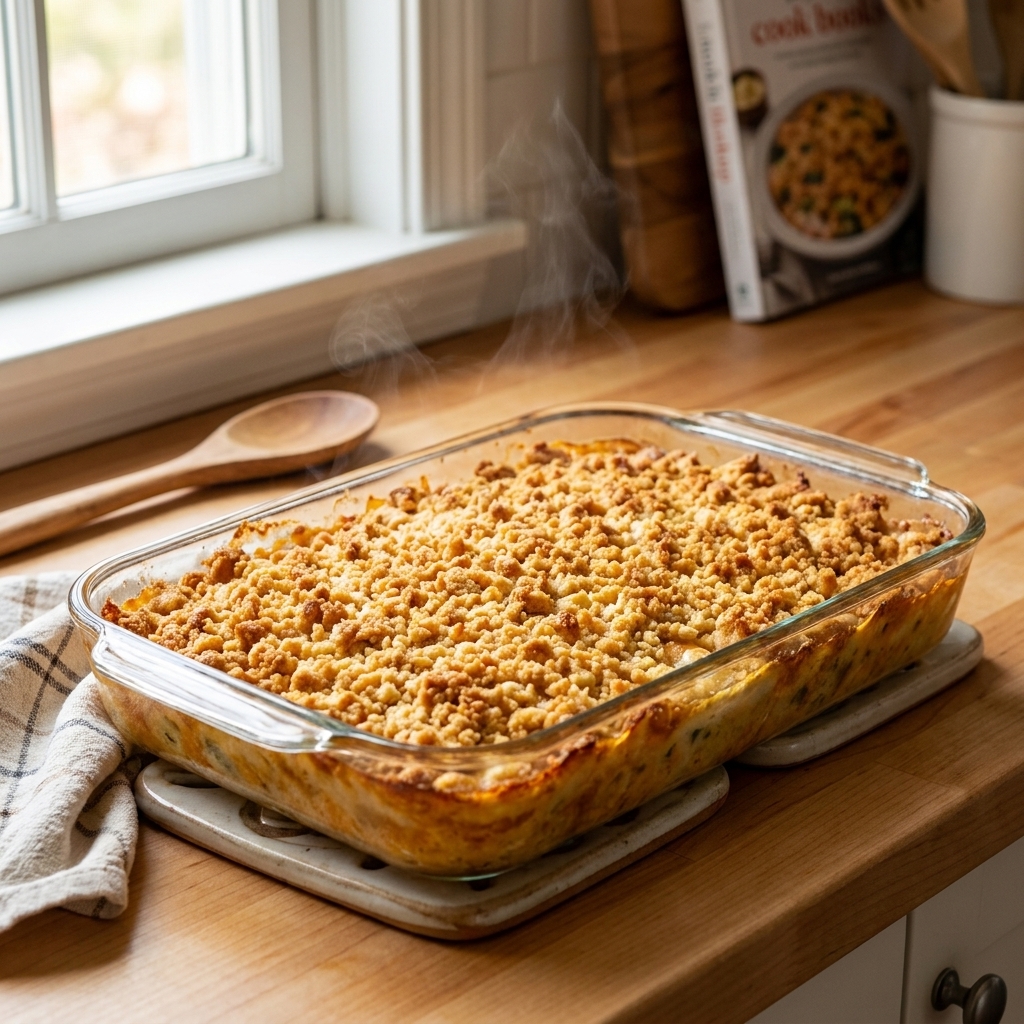
- It needed more time to reduce and set. Casseroles often look looser when they first come out, then thicken as they cool for 10 to 15 minutes.
“It baked up dry.”
- Pasta or rice absorbed the liquid. Add an extra 1/2 cup broth next time, especially for make-ahead casseroles.
- Too much lean meat and not enough sauce. Shred chicken and toss it in sauce while warm so it drinks flavor early.
“My cheese sauce got grainy.”
- Heat was too high when the cheese went in. Keep it low and add gradually.
- Cheese choice matters. Use a good melting cheese and shred it yourself when you can.
“My yogurt sauce curdled.”
- Oven was too hot or bake time too long. Cover for part of the bake and avoid broiling.
- Use full-fat Greek yogurt for better stability.
- Next time, temper the yogurt mixture with a few spoonfuls of warm filling before you combine everything.
Gluten-free options
If you need a gluten-free binder, you still have plenty of options. A 1:1 gluten-free flour blend usually works in the roux-based binders, and cornstarch is a reliable backup for quick thickening. Vegetable purées are naturally gluten-free and casserole-friendly.
How to start
If you are new to homemade binders, start with the roux + broth. It is forgiving, it tastes like dinner, and it fits into almost any classic casserole you already make.
Once that feels easy, try béchamel for pasta bakes, cheese sauce for veggie casseroles, yogurt for Tex-Mex night, and a vegetable purée when you want something cozy that still feels a little lighter.
That is the heart of Casserole Crate cooking: keep it comforting, keep it practical, and make your freezer work as hard as you do.