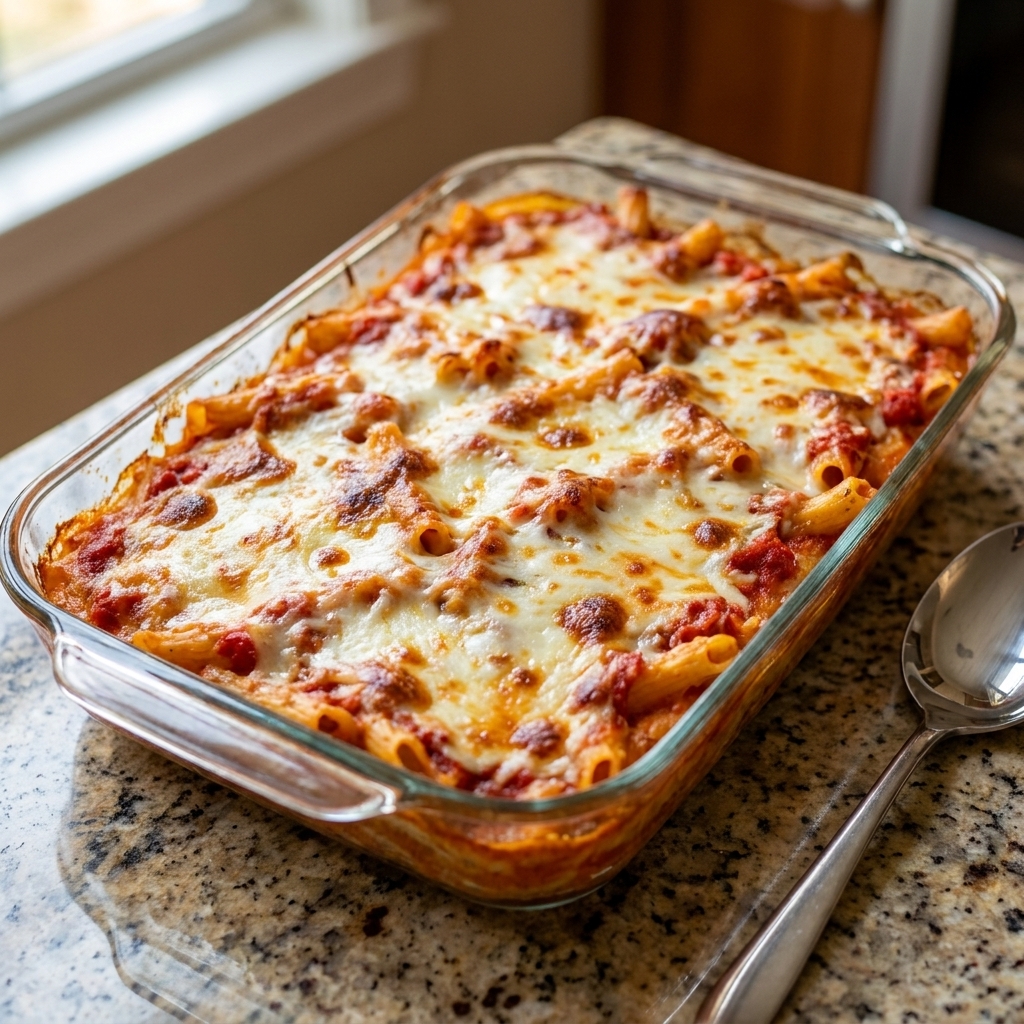

If you have ever pulled a beautiful Mexican casserole out of the oven only to find the tortillas turned into a soft, steamy puddle, you are not alone. I have made every version of taco bake and enchilada casserole you can imagine, and the difference between “holds together like a dream” and “why is this spoon-only” is usually layering and moisture management (plus a few supporting players like tortilla choice and bake time).
The good news is you do not need fancy ingredients or a special pan. You just need to build your 9x13 like you mean it, with a couple of simple rules that keep tortillas from soaking up every drop of sauce.
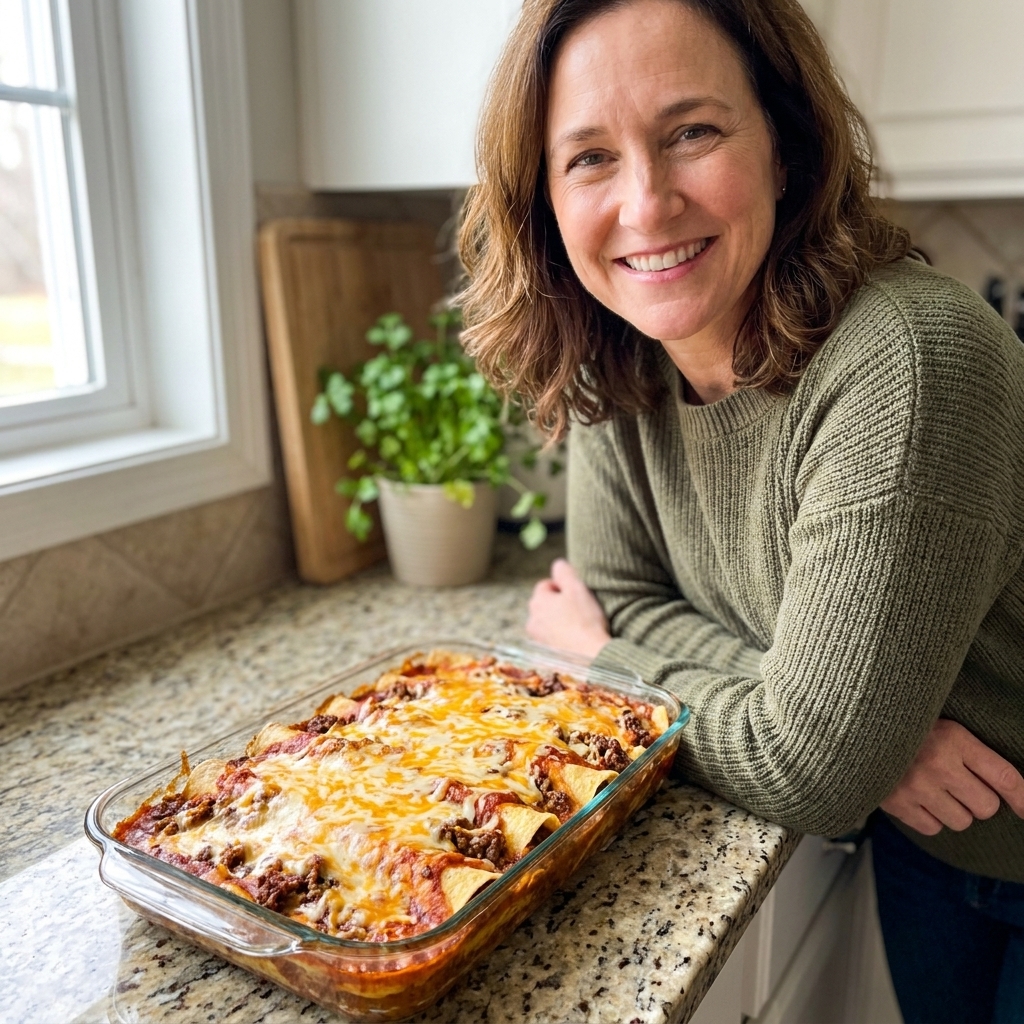
The real secret
Tortillas are basically built from starch. Starch is wonderful because it thickens sauces and makes casseroles satisfying, but it is also a sponge. If tortillas sit directly against watery salsa, thin enchilada sauce, juicy tomatoes, or under-drained beans, they absorb liquid fast and turn from “soft but sturdy” into “wet paper.”
So the goal is not to keep tortillas dry. That would be sad and brittle. The goal is to keep them from being pressed against free-flowing liquid for the whole bake.
Best layer order
Here is my dependable, no-soggy build for most Mexican-style casseroles (taco lasagna, enchilada bake, layered tortilla casserole). Think of it as creating moisture barriers.
1) Start with a thin nonstick layer
Grease your dish, then add just a few tablespoons of sauce or salsa and spread it thin. You are not trying to create a wet base, you are just preventing sticking and scorching.
If your sauce is thin, this is a great place to use something thicker, like a reduced enchilada sauce, refried beans thinned with a splash of broth, or a smear of sour cream mixed with salsa.
2) Tortillas go down
Add a single layer of tortillas (overlap is fine). Corn or flour both work, but corn tends to hold up better in saucy bakes.
3) Add a barrier layer
This is the move most people skip. Put something thicker directly on the tortillas so they are not sitting under watery ingredients.
- Best barrier options: refried beans, a thin layer of queso dip, a thick meat mixture, or a light layer of cheese.
- Cheese tip: a small sprinkle of shredded cheese right on the tortillas melts into a simple moisture buffer.
4) Add fillings, but keep them tight
Now you can add seasoned meat, sautéed peppers and onions, black beans, corn, green chiles, and so on. If you are using salsa, tomatoes, or canned chiles, make sure they are well drained. If the filling looks glossy-wet in the bowl, it is going to be wetter in the pan.
5) Sauce goes over filling
Instead of pouring sauce directly on tortillas, spoon sauce over the filling layer. The filling takes the first hit, and tortillas below stay sturdier.
6) Repeat, end with sauce and cheese
Repeat your layers, then finish with a modest layer of sauce and a generous layer of cheese. Cheese helps protect the top from drying out. If you need to drive off extra moisture, you can always finish uncovered for a few minutes at the end.
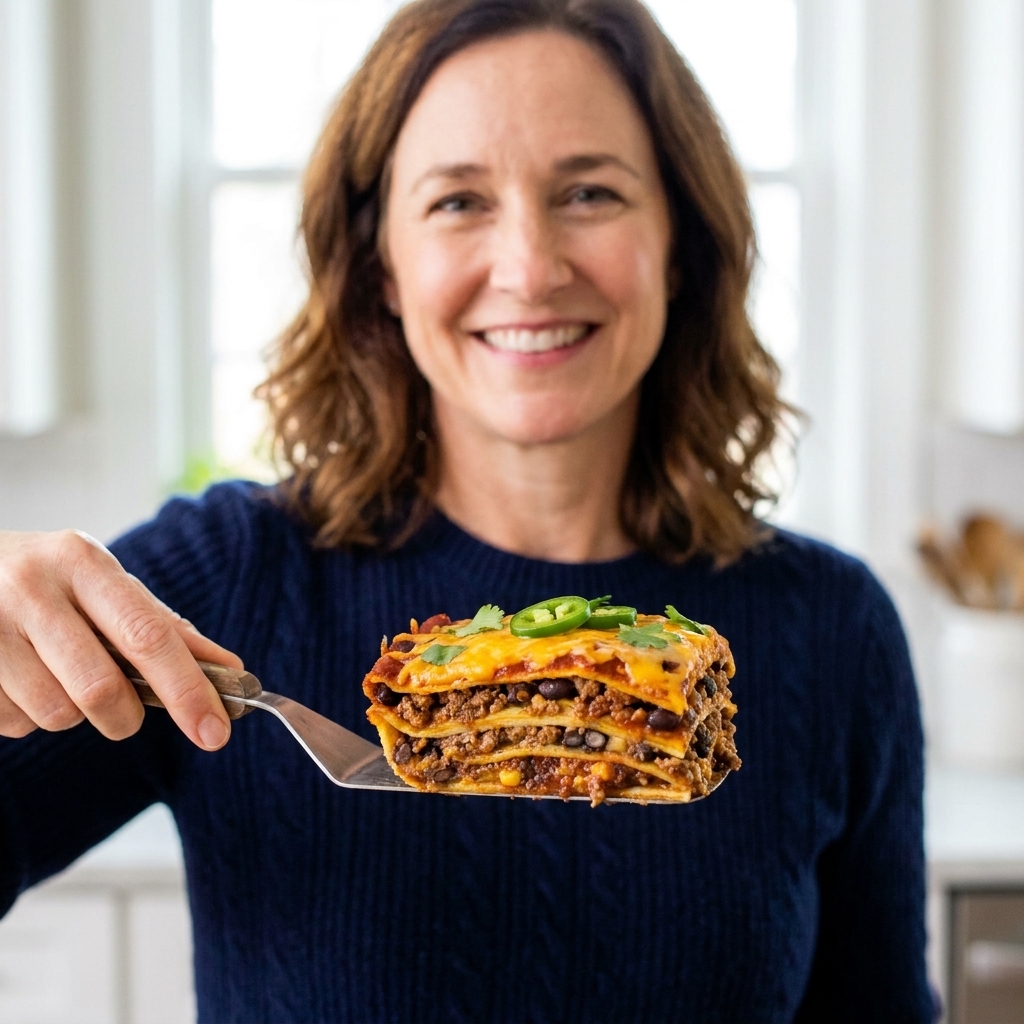
Tortilla prep
Corn tortillas: warm or lightly toast
Corn tortillas do best when they are warmed first. You can:
- Quick-toast: warm in a dry skillet 10 to 20 seconds per side until flexible and a little toasty.
- Oven warm-up: stack and wrap in foil, then warm 8 to 10 minutes in a 350°F oven.
This helps drive off a bit of moisture and keeps them from tearing while you layer.
Flour tortillas: go thicker
Flour tortillas can absolutely work, but choose thicker ones. Try to avoid ultra-thin, super-soft tortillas that tend to turn gummy once they are sauced. If yours feel very soft, give them a quick skillet warm-up so they are not starting the bake already steamy.
Chips are different
I love a Frito pie casserole moment, but tortilla chips behave differently. They soften fast, and they can go from crunchy to mushy in a hurry. If you want crunch, add chips at the end or serve on the side.
Sauce control
If I could stand at the stove and gently take the sauce ladle out of your hand, I would. Most soggy tortilla casseroles are simply over-sauced or under-thickened.
Quick thickening tricks
- Simmer store-bought enchilada sauce for 5 to 10 minutes to reduce and concentrate it.
- Stir in a spoonful of tomato paste to give thin salsa a little body.
- Use refried beans strategically to absorb moisture and add richness.
- Drain well: canned tomatoes, Rotel, beans, and corn should be well drained unless your filling is otherwise thick.
How much sauce in a 9x13?
This depends on how many layers you build and how thick your sauce is, but here is a good starting point for a typical 9x13 with 2 to 3 tortilla layers:
- Layered enchilada-style casserole: start around 2 cups sauce total, then adjust up or down based on thickness and how “saucy” you like it.
- Super-loaded taco bake (meat, beans, veg): often 1 to 2 cups sauce because the filling brings moisture too.
If your pan has visible liquid pooling before it goes into the oven, pull back now. Your future self will thank you.
Bake and rest basics
Moisture management is not just ingredients. It is also what happens in the oven.
- Baseline bake: 350°F to 375°F until hot and bubbling, often 25 to 40 minutes depending on how full the pan is and whether ingredients started cold.
- Covered vs uncovered: If you are worried about the top drying out, cover for the first half of baking, then uncover for the last 10 to 15 minutes to let steam escape and tighten the layers.
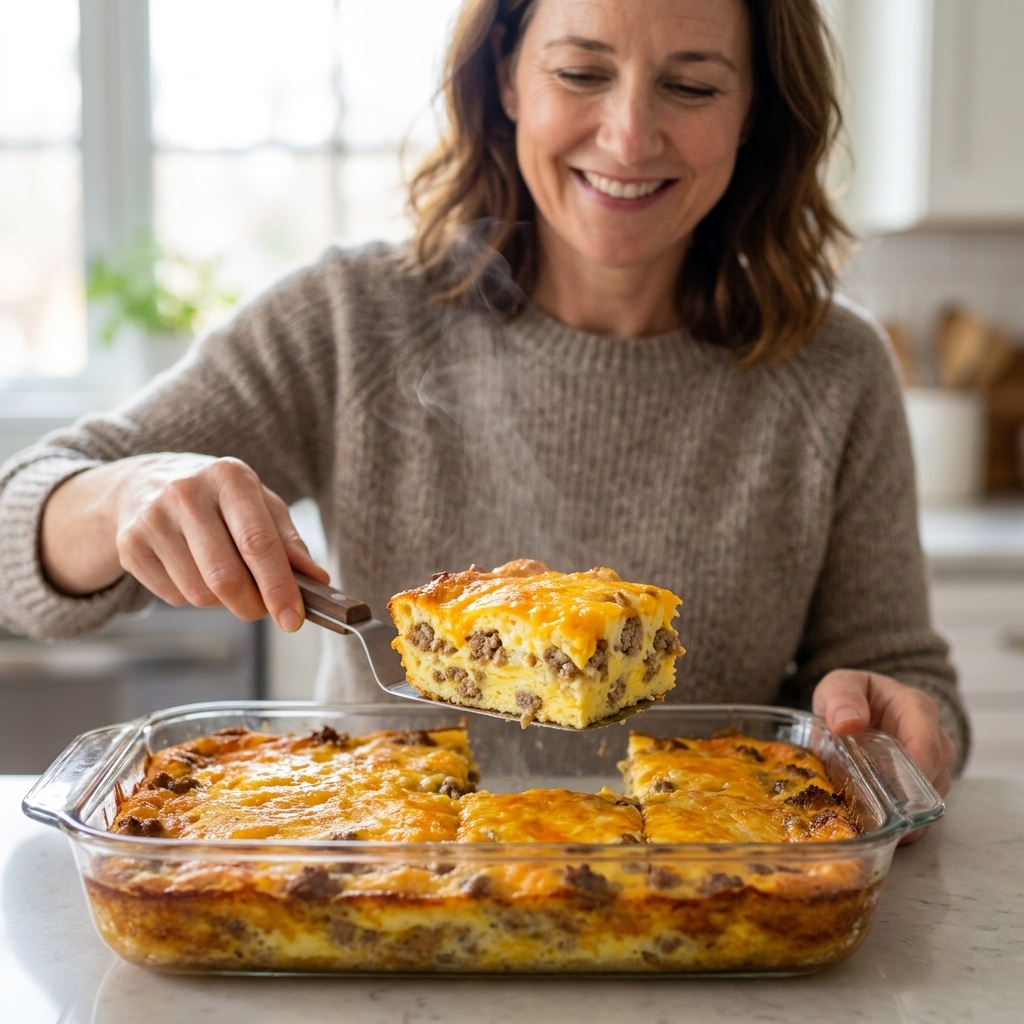
- Rest time matters: Let it sit 10 to 15 minutes before slicing. This is when everything thickens and sets.
Moisture hot spots
These are the sneaky culprits I see again and again.
- Undrained salsa or Rotel: tip into a strainer for a minute. It makes a bigger difference than you think.
- Watery taco meat: simmer until the liquid reduces, and cool slightly before layering.
- Frozen vegetables added straight in: thaw and pat dry, or sauté quickly to cook off water.
- Beans straight from the can: rinse and drain well, unless you are making a thick bean layer.
- Too many fresh toppings baked inside: save lettuce, pico, and extra salsa for serving.
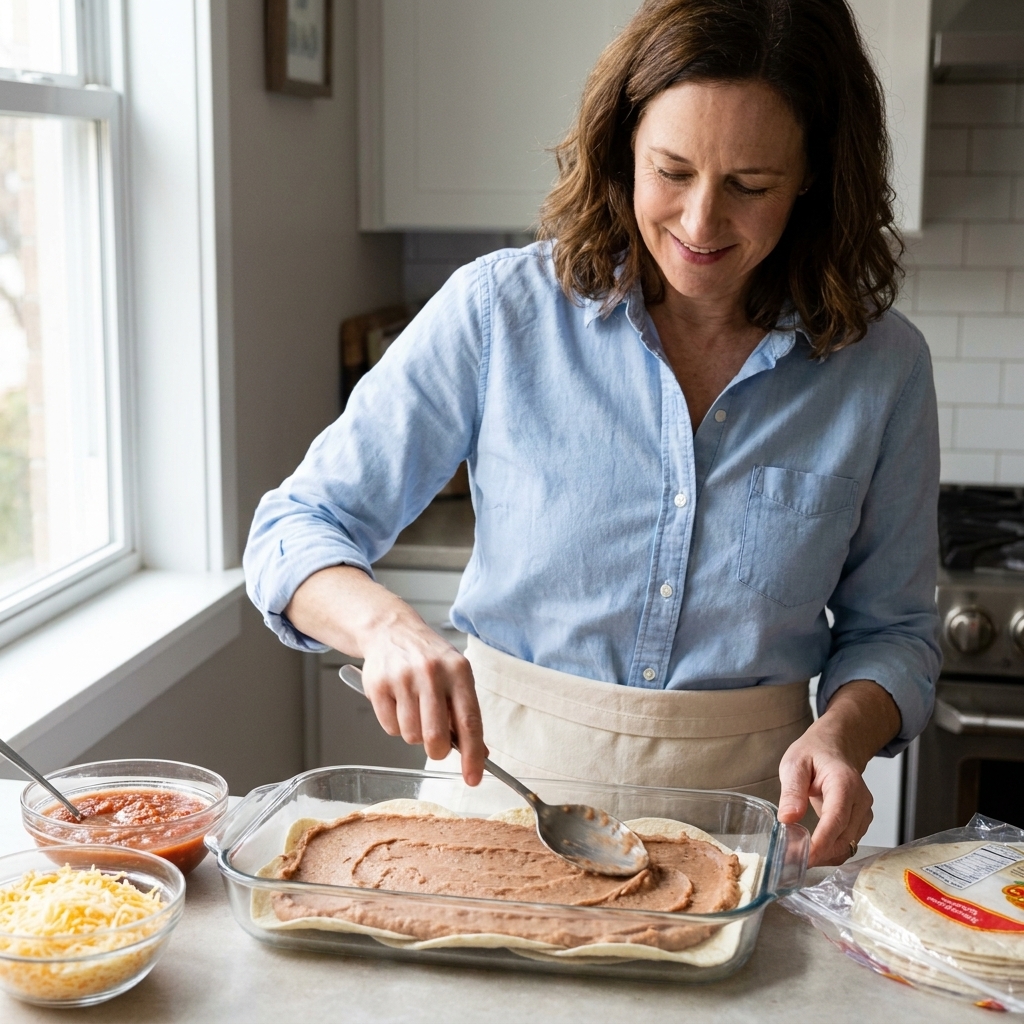
Cheese shield trick
If you remember one trick, make it this: put a light sprinkle of cheese directly on the tortillas before you add wetter fillings.
It does two helpful things:
- It melts into a thin barrier that slows down liquid absorption.
- It helps the tortilla layer stay together so slices lift cleanly.
You do not need a thick blanket. Just a light, even sprinkle.
Make-ahead and freezer tips
Since casseroles are my weeknight secret weapon, I build a lot of these ahead. Tortillas can soften in the fridge and freezer, but you can still get great texture with a few habits.
Assemble ahead (up to 24 hours)
- Keep sauces on the thicker side.
- Use the barrier layer (beans, cheese, or thick meat mixture) every time.
- Cover tightly so the top does not dry out while the inside gets watery.
Freeze unbaked
- Let cooked fillings cool completely before assembling to avoid extra water later.
- Choose corn tortillas for best structure after freezing.
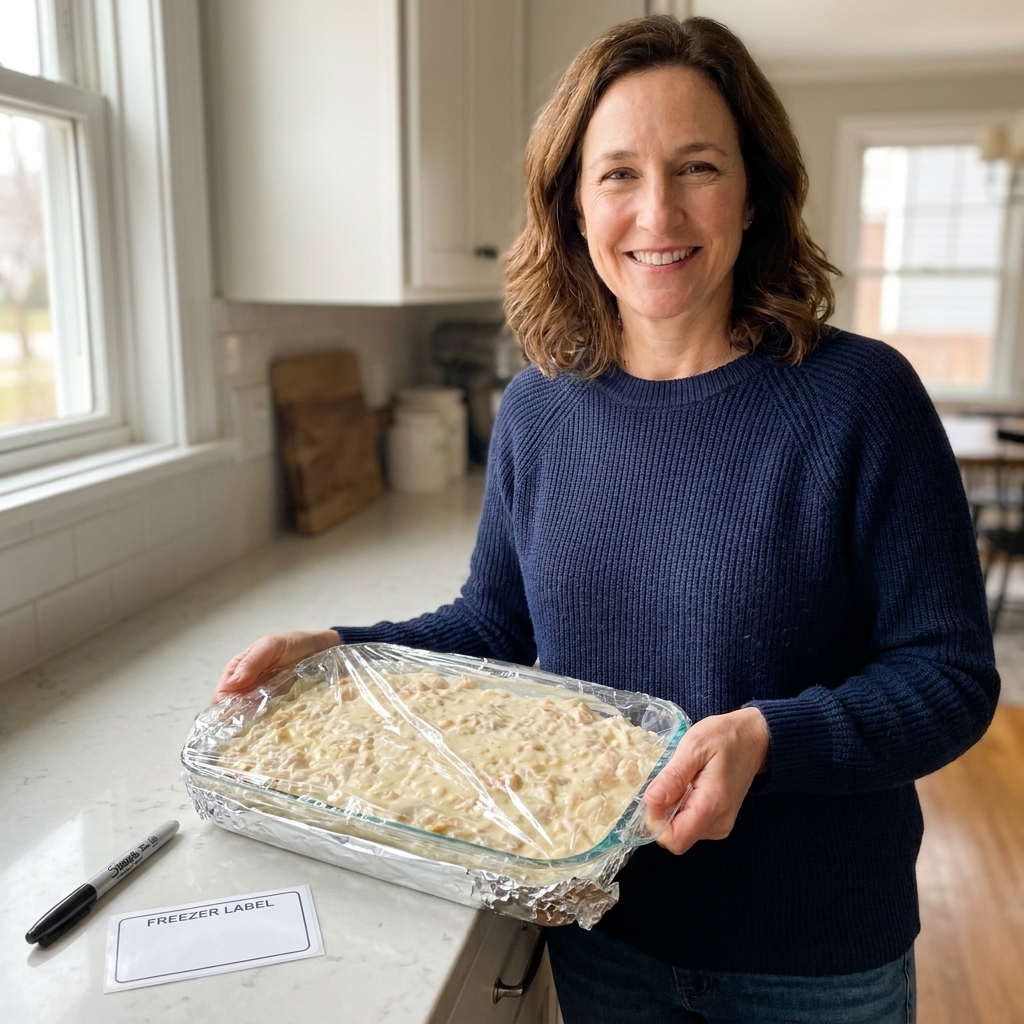
- Wrap the pan tightly with plastic wrap, then foil.
Bake from thawed when possible. Thawing in the fridge overnight gives you a more even bake and less chance of a watery middle.
Freeze baked leftovers
- Cool fully, then portion into airtight containers.
- Reheat uncovered for part of the time so steam can escape.
My favorite reheat: 350°F oven, covered for 15 minutes, then uncovered 10 to 15 minutes until hot and bubbling.
Troubleshooting
“It is watery in the bottom”
- Let it rest 10 to 15 minutes before cutting. It thickens as it cools.
- Next time, reduce sauce and drain add-ins more aggressively.
“The tortillas turned gummy”
- Switch to corn tortillas or thicker flour tortillas.
- Toast tortillas briefly before layering.
- Add the cheese shield directly on tortillas.
“The top is perfect but the center is mushy”
- Make thinner layers (more layers, less height per layer).
- Use less sauce between layers and more thick filling.
- Bake a little longer uncovered at the end to let steam escape.
Layer blueprint
When in doubt, build it like this:
- Grease dish + thin smear of thick sauce (or just grease)
- Tortillas
- Barrier (refried beans or light cheese)
- Thick filling (meat, beans, sautéed veg)
- Sauce (light coat)
- Repeat (usually 2 to 3 tortilla layers total)
- Sauce (light coat) + cheese on top
- Rest before slicing
That is it. Once you do it this way a couple times, you will feel the difference when you scoop. The layers hold, the tortillas stay tender, and you can actually serve squares instead of soup.