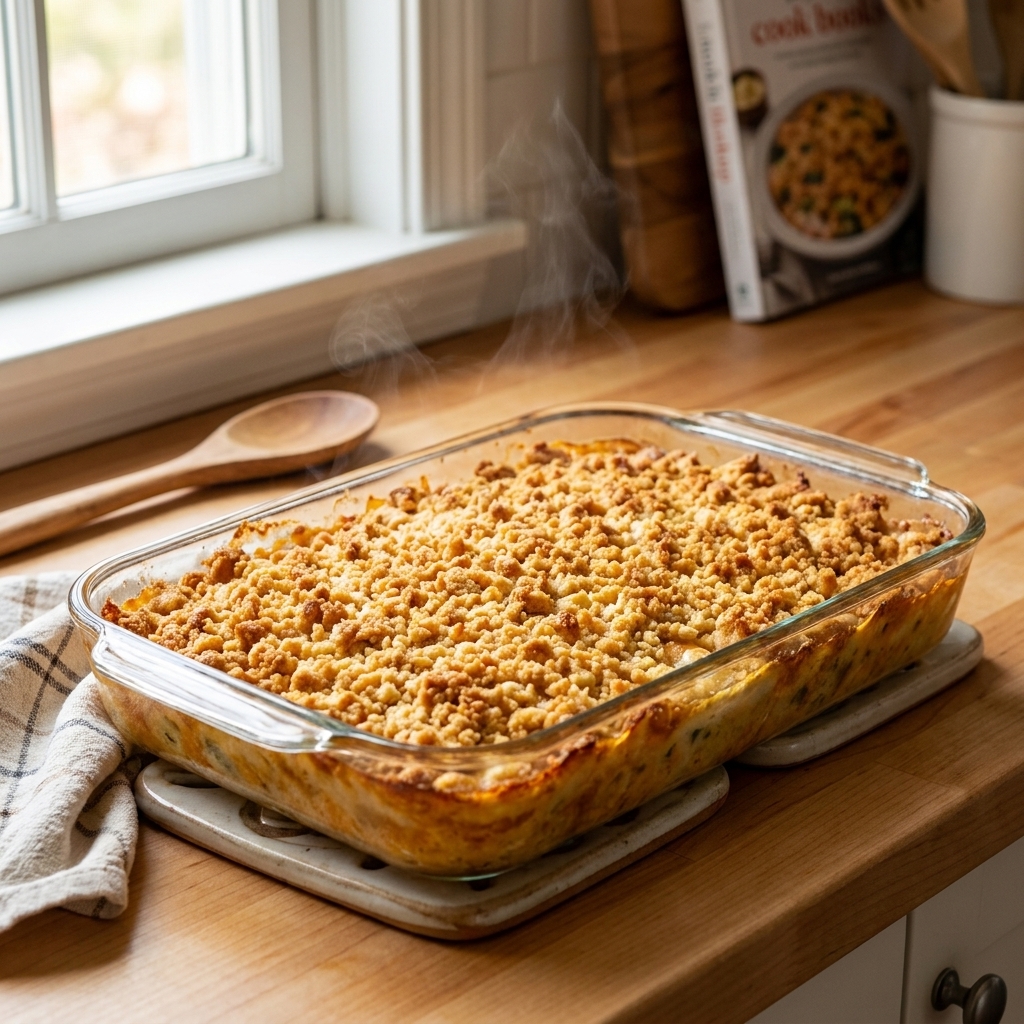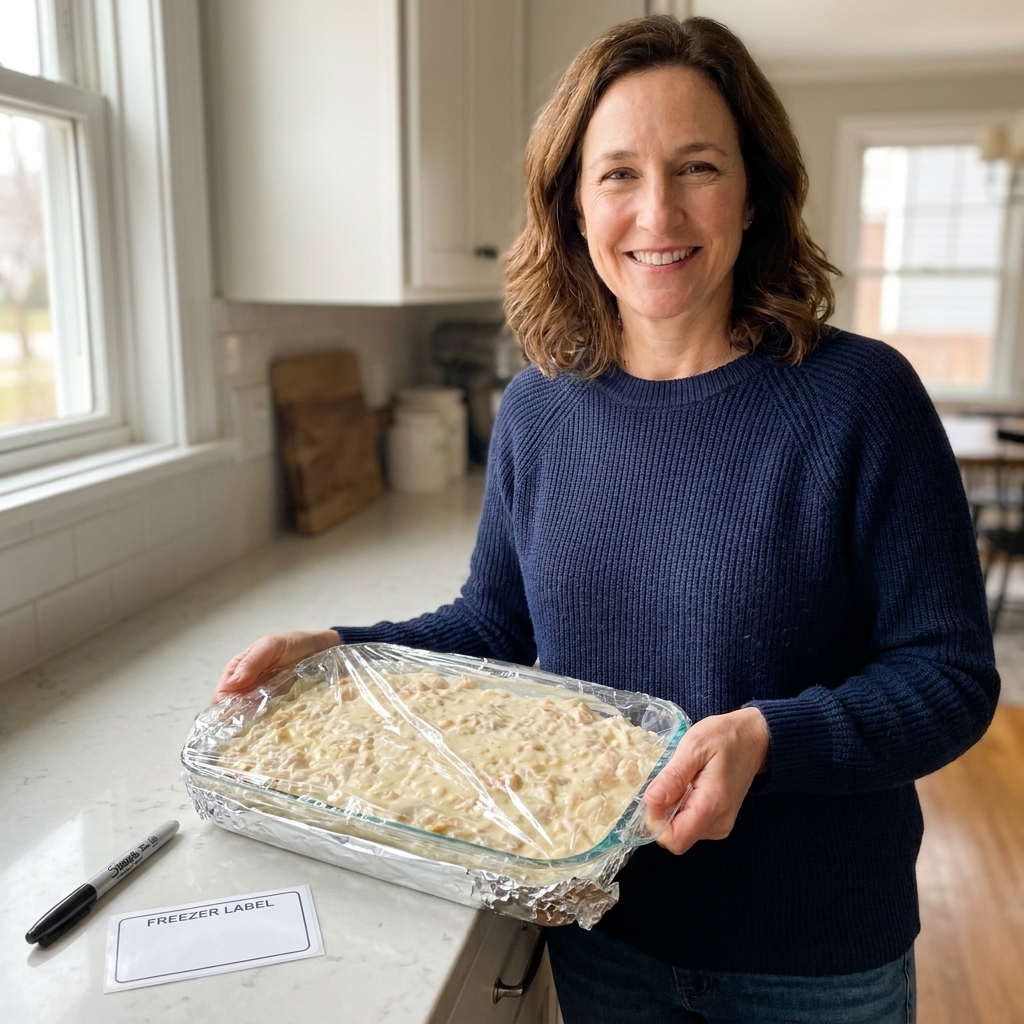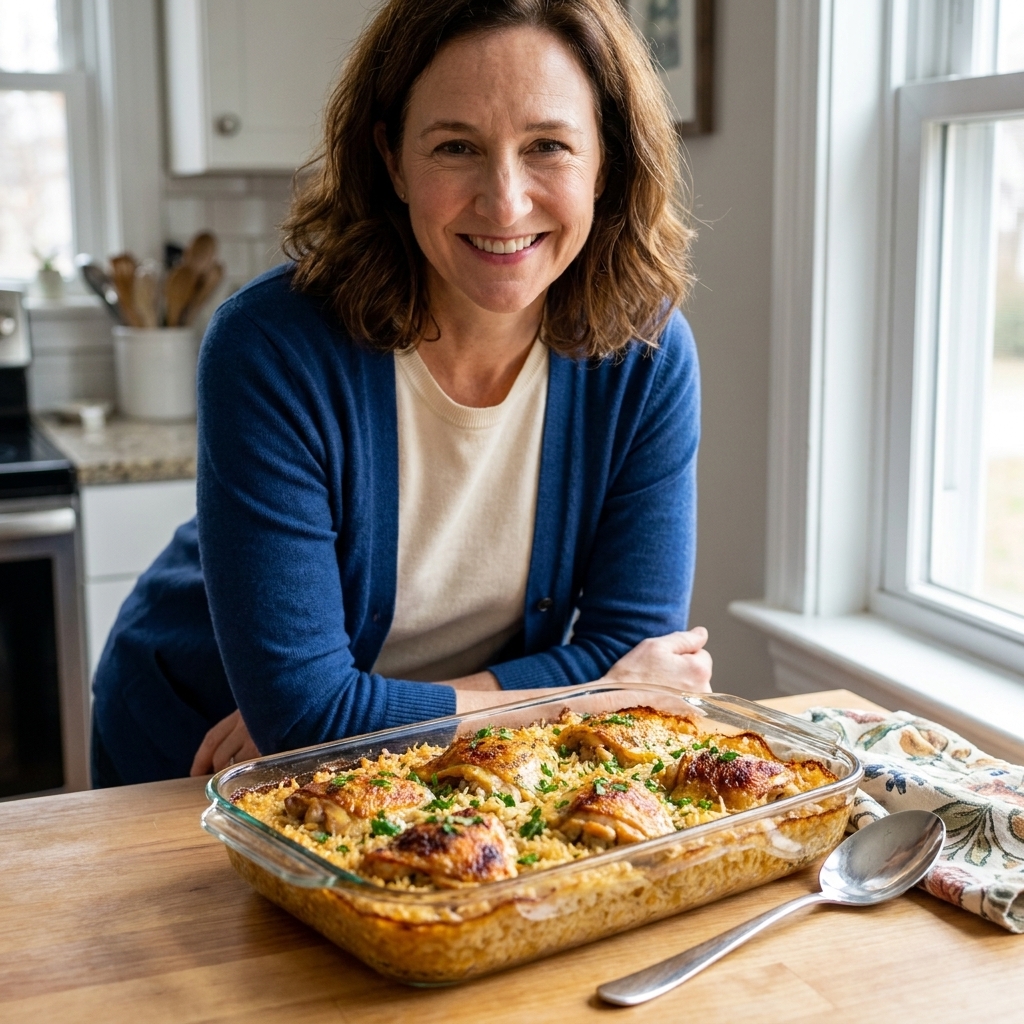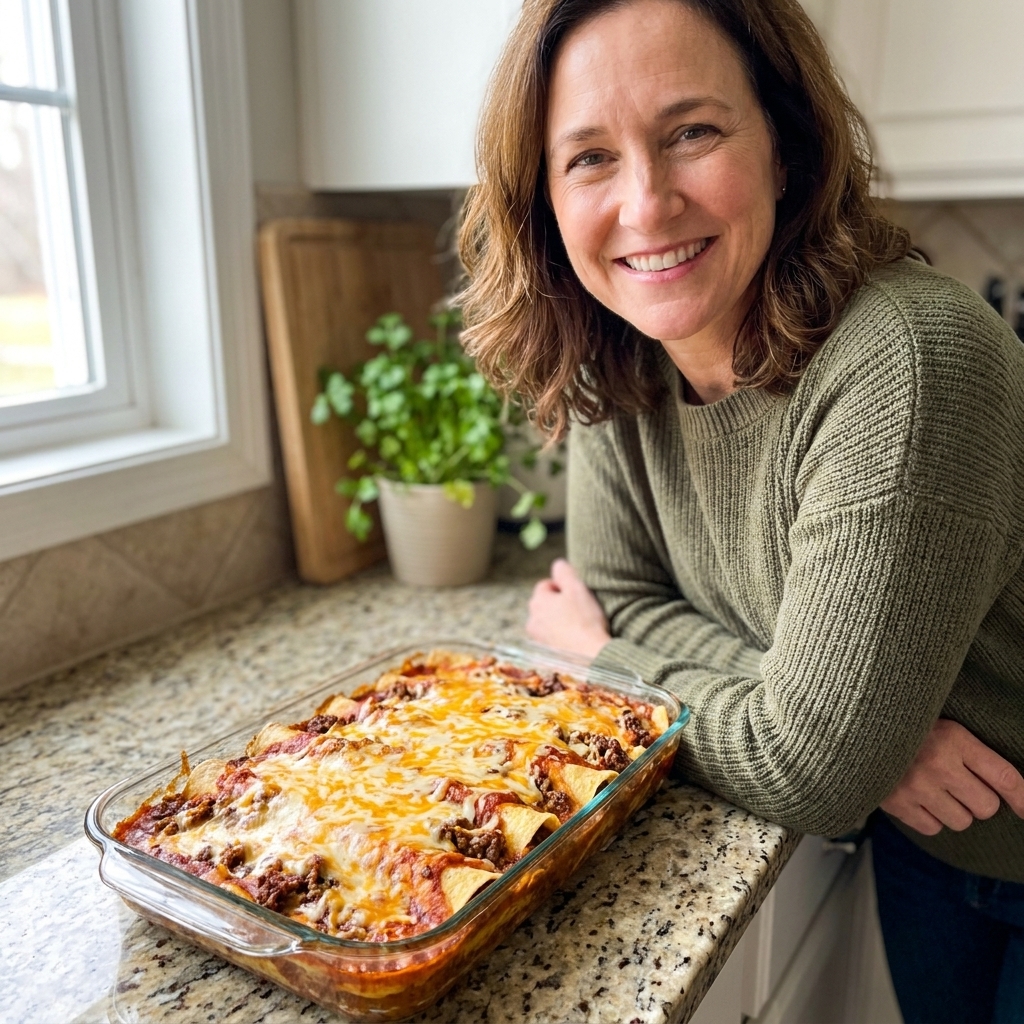
I love a bubbly 9x13 as much as the next casserole person, but some days you need dinner to cook itself. The good news is that most oven-baked casseroles can be adapted for the slow cooker (Crock-Pot is one common brand) if you make a few smart changes. The tricky part is that a slow cooker is a moist, closed system, while an oven is a drier, evaporating system. Slow cookers also have less exposed surface area for moisture to boil off. That one difference explains almost every slow-cooker casserole fail: watery sauce, mushy pasta, gummy rice, limp toppings.
This guide walks you through the three big levers you control: liquid, layering, and time, plus the finishing moves that make it taste like you actually baked it.
Start with a quick check
Before you convert anything, ask what kind of casserole you are starting with. Some styles are basically made for the slow cooker, and some need extra care.
These convert easily
- Meat and potato bakes (scalloped-style, cheesy hash brown casseroles, beef and veg bakes)
- Enchilada-style casseroles (tortillas, sauce, shredded meat, beans)
- Stuffing and holiday-style casseroles (bread cubes, broth, sausage, veggies)
- Chicken and rice casseroles (with the right rice strategy, see below)
These need the most changes
- Pasta casseroles (ziti bakes, tuna noodle, mac and cheese)
- Crispy-topped casseroles (crumb toppings, fried onions, cornflake toppings)
- Egg-heavy breakfast bakes (can overcook at the edges if you are not careful)
If your oven casserole depends on a crunchy top for its whole personality, you can still do it, but plan a quick finishing step at the end.
Liquid: the #1 fix
Oven casseroles quietly rely on evaporation. A slow cooker traps that moisture, so what looks like the “right” amount of sauce on paper can become soup after 6 hours.
A liquid rule to start with
As a starting point, reduce added liquid by about 25 to 40 percent when moving an oven casserole to the slow cooker. That means broth, water, milk, cream, tomato juice, wine, and sometimes even salsa if it is very thin.
When you might not cut as much: recipes with lots of absorbent starch (especially if you are adding any uncooked rice or pasta), very lean proteins that need more cushion, or casseroles that are meant to be spoonable and saucy. Use the range, then adjust based on what you see.
What you usually do not reduce as aggressively: canned soups and thick sauces. They are already concentrated.
Ingredients that add water
- Vegetables like zucchini, mushrooms, onions, spinach, cabbage, frozen peppers
- Frozen ingredients of any kind (they release water as they thaw)
- Lean meats (they still release juices, they just do not bring much fat to balance the texture)
If your casserole is veggie-heavy, cut liquid closer to 40 percent and consider one extra thickener move (next section).
Thicken without glue
Instead of adding lots of flour at the beginning, I prefer thickeners that go in toward the end so you can adjust based on what you see.
- Cream cheese: cube it and stir in during the last 20 to 30 minutes on High.
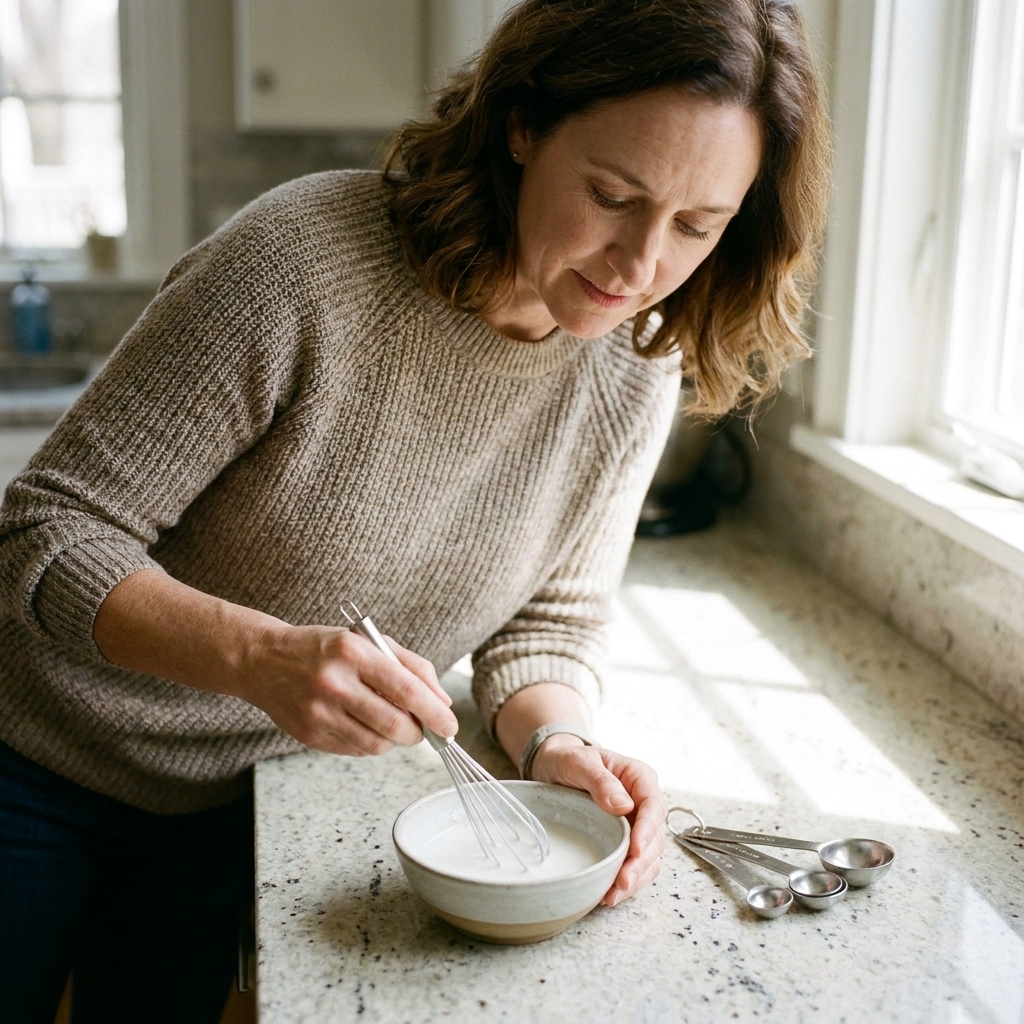
- Slurry: whisk 1 to 2 tablespoons cornstarch with 1 to 2 tablespoons cool water, stir in, then cook 15 to 25 minutes on High.
- Instant potato flakes: sprinkle 1 to 3 tablespoons over the surface, wait 5 minutes, then stir. This is my favorite “save” for beefy or cheesy casseroles.
- Shredded cheese: add at the end, not the start. Early cheese can separate and contribute to a greasy, thin sauce.
Layering: build it smart
In the oven, everything heats evenly and moisture can escape. In the slow cooker, heat comes from the sides and bottom, and steam stays trapped. Layering matters a lot more.
Best layering order
- Spray or butter the insert to help with sticking and cleanup.
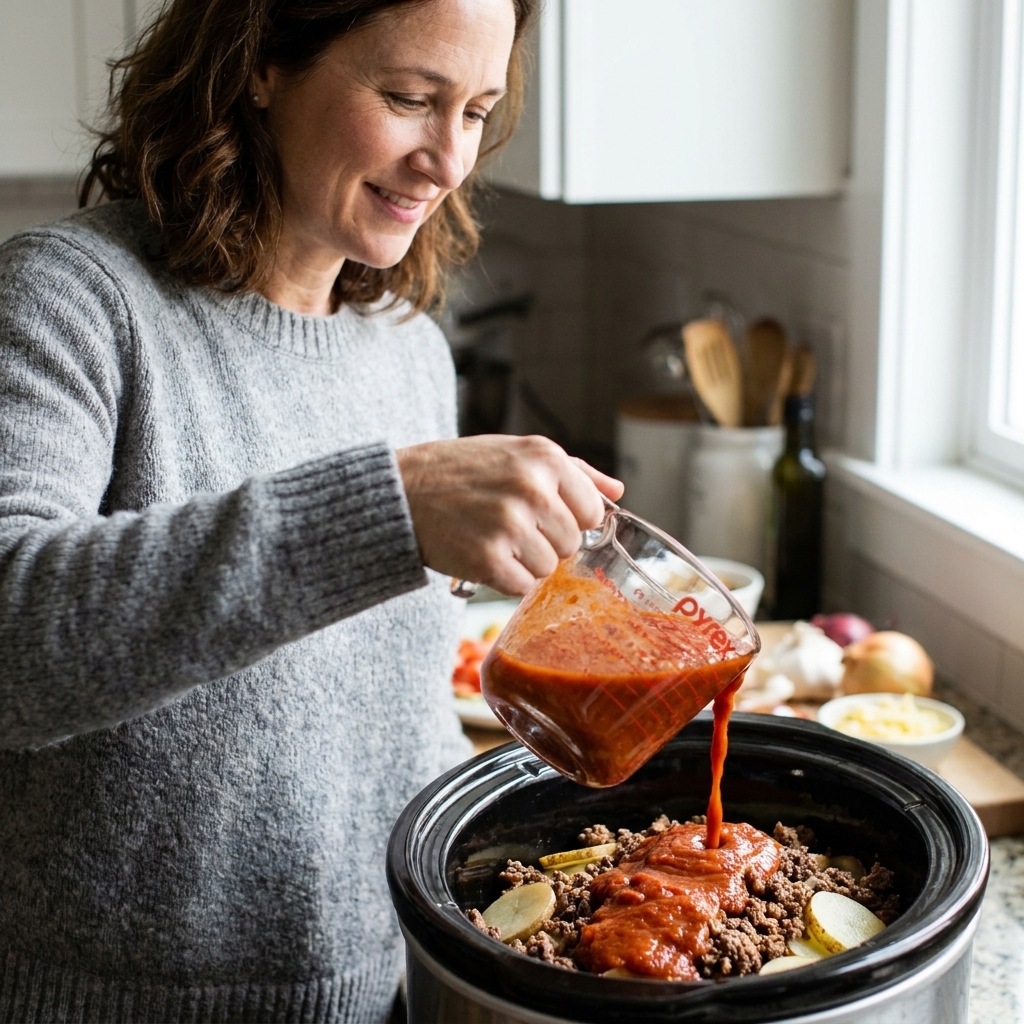
- Dense vegetables on the bottom (potatoes, carrots, sweet potatoes). They need the most direct heat.
- Meat in the middle (especially raw meat). Surround it with moisture.
- Softer vegetables (mushrooms, peppers, onions) higher up unless you want them very soft.
- Sauce poured over the top so it trickles down and seasons everything.
- Cheese last, and often only at the end.
What not to do
- Do not add crunchy toppings at the beginning (crumbs, chips, fried onions). They will turn into wet confetti.
- Do not stir constantly. Slow cookers like calm. Stirring breaks delicate pasta, shreds tortillas, and can make rice gummy.
- Do not pack it to the brim. Aim for 1/2 to 3/4 full so heat can circulate.
Timing: minutes to hours
Oven casseroles are usually designed for 350°F to 375°F and 30 to 60 minutes of bake time. Slow cookers are gentler and slower, but they vary more than ovens, so treat timing as a range.
General conversion guide
- Oven 30 to 45 minutes becomes Slow Cooker 2 to 3 hours on High or 4 to 6 hours on Low.
- Oven 60 to 75 minutes becomes Slow Cooker 3 to 4 hours on High or 6 to 8 hours on Low.
Two important truths from my own weeknight testing:
- Low is not always better. Some casseroles do great on Low, but pasta, dairy sauces, and eggs often behave better with a shorter High cook.
- Lifting the lid is expensive. Every peek can add significant time, often in the 10 to 20 minute range, depending on your cooker and how full it is.
Know when it is done
Use doneness tests that match your ingredients:
- Potatoes: pierce easily with a fork all the way through.
- Chicken: 165°F in the thickest part.
- Ground meat casseroles: bubbling at the edges and hot throughout, 160°F for ground beef, pork, and lamb.
- Rice: tender grains, no crunchy center.
Pasta and rice: no mush
If you only remember one thing, let it be this: pasta and rice keep absorbing liquid the whole time. An oven casserole might bake just long enough to set. A slow cooker has hours to turn them into pudding unless you adjust.
For pasta casseroles
- Best method: Cook pasta to very al dente (1 to 2 minutes short), then add it during the last 30 to 60 minutes on High.
- If you must use uncooked pasta: Increase sauce thickness (not volume), use sturdy shapes (ziti, penne), and expect more trial and error. Start checking at about 45 minutes on High and keep lid time brief.
- Hold back some sauce: Stir in a splash at the end if it looks tight.
For rice casseroles
- Use converted parboiled rice (like Uncle Ben’s style) for the most reliable texture in slow cookers.
- Avoid instant rice. It goes from fine to mush fast.
- Add rice later when possible: If your casserole is saucy, stir in rice for roughly the last 1.5 to 2.5 hours on Low or 45 to 90 minutes on High, then start checking early. Slow cookers run differently, and rice is done when the grains are tender with no chalky center.
For egg noodles
Egg noodles are tender and fast. Treat them like pasta and add them near the end. If your original casserole uses cooked egg noodles, keep that same idea in the slow cooker.
Cheese and dairy: no curdle
I grew up with casseroles that wore cheese like a fluffy winter coat, so I get the temptation to dump it all in early. In the slow cooker, timing matters.
What to add when
- Cream, milk, sour cream, yogurt: Add in the last 30 to 60 minutes when possible.
- Shredded cheese: Stir in at the end for melt, or sprinkle on top for the last 15 to 30 minutes with the lid on.
- Cream cheese: Add near the end and whisk it in until smooth.
Best dairy choices for longer cooks
- Evaporated milk holds up better than regular milk.
- Heavy cream is more stable than half-and-half.
- Processed cheese (like Velveeta) melts smoothly and can be useful for kid-favorite “cheesy chicken” style casseroles.
Keep toppings crisp
The slow cooker will not give you that golden, toasted top by itself. But you can still get the vibe.
Three finishing options
- Oven broil finish: If your insert is oven-safe and the manufacturer says it is broiler-safe (many are not), sprinkle topping and broil 2 to 4 minutes. Watch like a hawk.
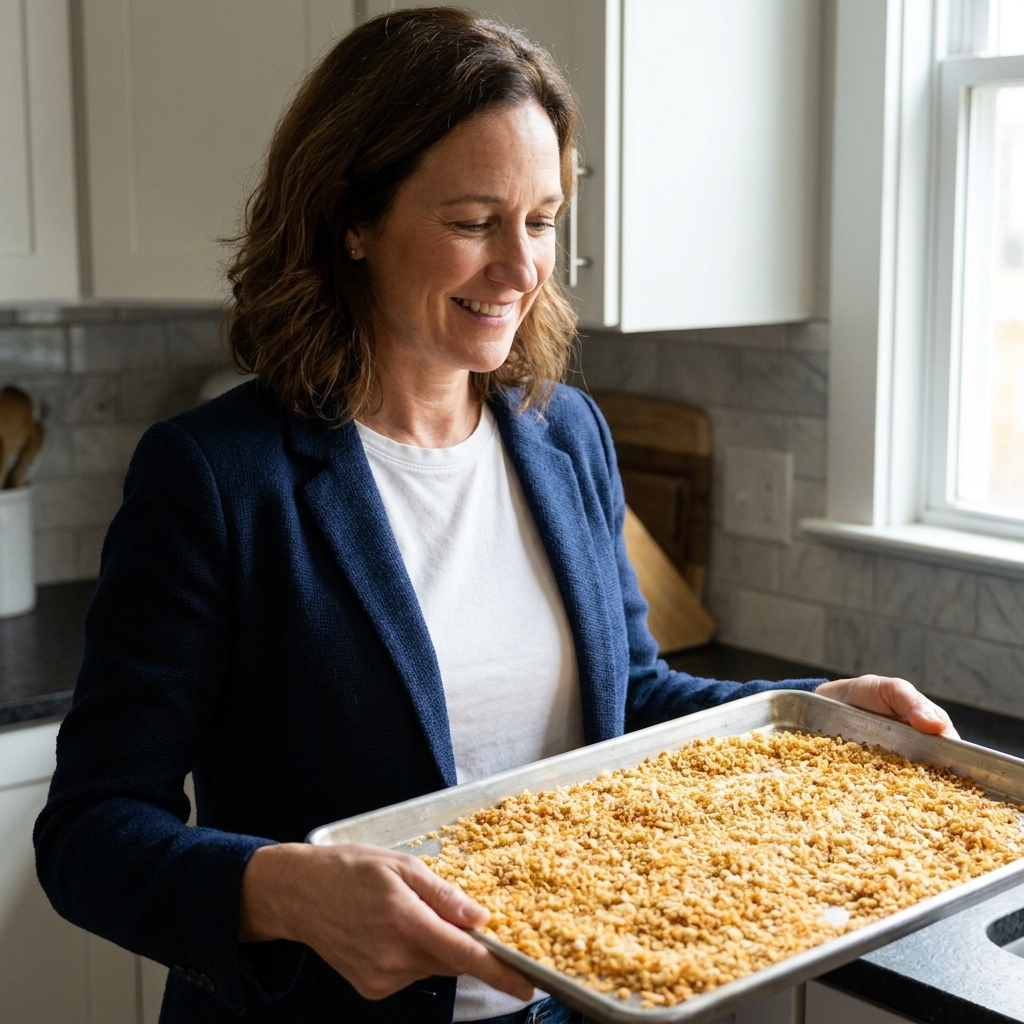
- Sheet pan topping: Toast breadcrumbs, crushed crackers, or fried onions on a sheet pan while the casserole finishes cooking. Sprinkle on right before serving.
- Air fryer topping: Toast panko with a bit of butter at 350°F until golden, then top the casserole at the table.
Conversion steps
- Read the oven recipe once and note what ingredients are raw vs cooked.
- Reduce added liquid by about 25 to 40 percent, especially broth and water, then be ready to adjust based on starches and moisture-heavy vegetables.
- Pre-cook what needs browning (ground beef, sausage, onions) for better flavor and less grease.
- Layer dense ingredients low, sauce on top.
- Hold back pasta, rice, dairy, and most cheese until the end when possible.
- Cook on Low for longer for sturdy casseroles (meat and potatoes). Cook on High for shorter for dairy and pasta heavy dishes.
- Finish strong with cheese, thickener if needed, and a crunchy topping outside the slow cooker.
- Let it rest 10 to 15 minutes (uncovered if you need it to thicken) before serving. This small pause fixes a lot.
Mini conversions
Chicken and broccoli rice casserole
- Use parboiled rice and reduce broth by about 1/3, then adjust if your cooker runs hot or cool.
- Add broccoli in the last 45 to 60 minutes so it stays bright and not army green.
- Stir in sour cream and cheese at the end.
Beefy pasta bake
- Brown beef and onions first, drain well.
- Cook pasta separately to very al dente and add near the end.
- Keep sauce thick and do not over-stir.
Enchilada casserole
- Use thicker enchilada sauce or reduce thin sauce slightly.
- Layer tortillas like lasagna noodles.
- Add cheese at the end, then let it sit 10 minutes to set before serving.
Make-ahead and freezer tips
This is where my “two emergency meals in the chest freezer” lifestyle really shines.
What freezes well
- Meat-based fillings, sauces, and cooked shredded chicken
- Bean and enchilada-style layers (without crunchy toppings)
- Fully assembled casseroles that do not rely on pasta texture
What I freeze separately
- Pasta and rice (cook fresh or add near the end)
- Dairy (sour cream, yogurt) for best texture
- Toppings (always)
My no-soggy strategy
Freeze the filling in a zip-top freezer bag laid flat, then thaw overnight in the fridge. In the morning, dump it in the slow cooker and build the final layers (or add starches later). Flat freezing thaws faster and helps you avoid the dreaded watery “thaw puddle” that can sneak into casseroles.
One food safety note: avoid putting a solid frozen block of casserole filling straight into the slow cooker. It can sit too long in the temperature danger zone before it heats through. Thaw in the fridge first when you can.
Troubleshooting
It is watery
- Switch to High and cook 20 to 30 minutes longer to help drive off moisture.
- If your model allows it, you can remove the lid briefly and stir occasionally to encourage evaporation. Keep an eye on it and avoid propping the lid awkwardly.
- Stir in a cornstarch slurry or a spoonful of instant potato flakes.
- Next time, reduce liquid more or add tender vegetables later.
It is bland
- Add salt in small pinches, then taste again.
- Stir in something bright: a squeeze of lemon, a splash of vinegar, a spoon of salsa, or a little Dijon.
- Do not forget herbs and aromatics. Slow cooking can mute flavors.
It is greasy
- Brown and drain meat first.
- Use lower-fat cheese blends and add them at the end.
- Blot the surface with a paper towel before adding your final cheese layer.
It is mushy
- Shorten time and use High more often for pasta and dairy casseroles.
- Add pasta, rice, and delicate veggies later.
- Avoid over-stirring.
FAQ
Can I put a whole 9x13 recipe into a slow cooker?
Often, yes, but size matters. A typical 6-quart slow cooker can handle most 9x13 casserole volumes if you keep it no more than 3/4 full. If your recipe is extra heaped (lots of pasta plus sauce plus meat), either scale it down a bit or use an 8-quart cooker.
Do I need to pre-cook meat?
You do not always have to, but I recommend it for ground beef, sausage, and diced onions. Browning adds flavor and lets you drain grease so your casserole does not turn slick.
Can I use frozen vegetables?
Yes, just expect more water. Add them later when possible, or reduce other liquids to compensate. For spinach, I prefer thawing and squeezing it dry first.
How do I stop cheese from getting grainy?
Add it near the end and use gentle heat. Long cooking can cause some cheeses to separate. Cream cheese and processed cheese are the most forgiving for slow cookers.
Can I cook a slow-cooker casserole overnight?
I do not recommend it for most casseroles. They tend to overcook and get mushy. If you need hands-off timing, use a programmable cooker with a warm setting, and choose a sturdy recipe like meat and potatoes.