
If you have ever stared into the fridge at 5:30 and wished dinner could just happen, this is my favorite little trick: start your casserole in a skillet, then slide it into the oven to finish. You get real flavor from browning and simmering, then the oven does the hands-off part while you set the table, help with homework, or simply breathe.
The goal here is not a fussy recipe. It is a repeatable method you can use with whatever is in your fridge, as long as you pick the right shortcuts and keep moisture under control.
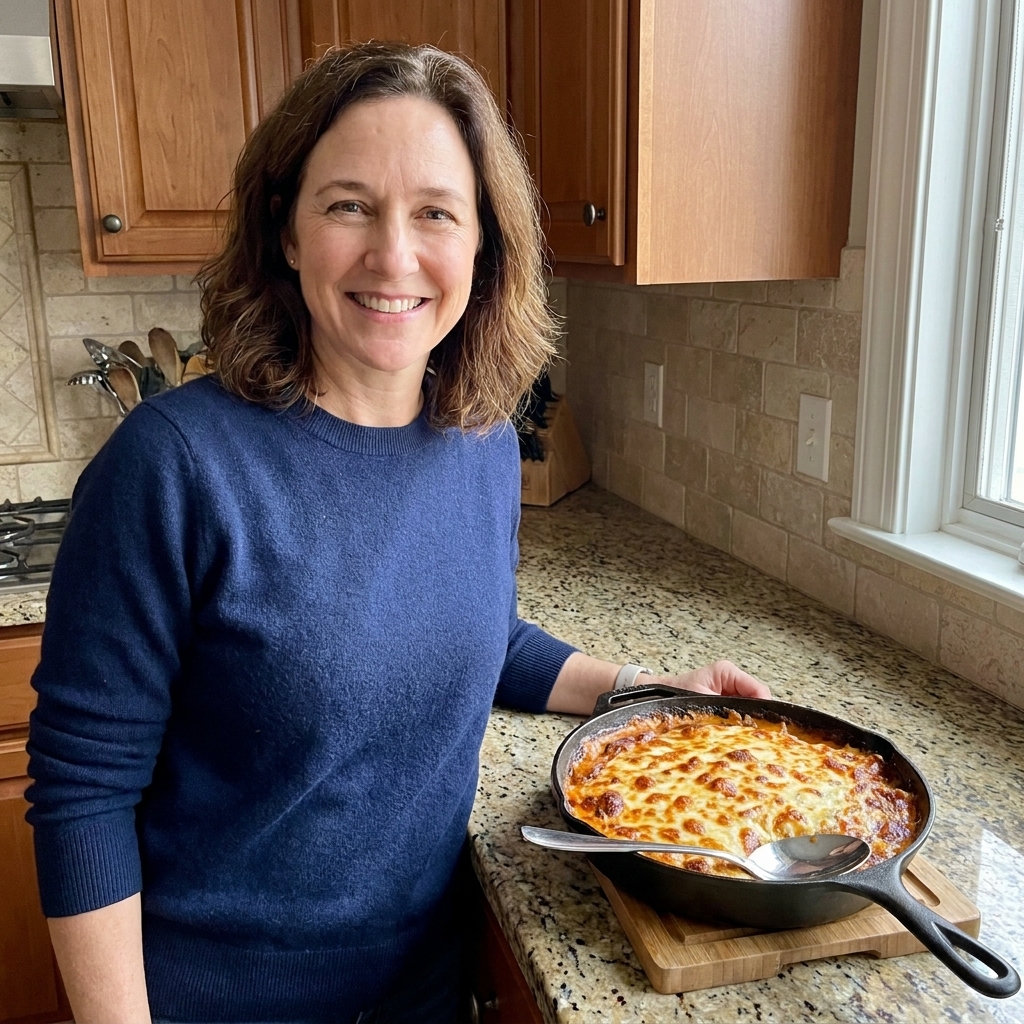
The skillet-to-oven formula
Think of this as a three-part build that moves fast because every step has a purpose. Most nights, you can get it done in about 30 minutes if your filling is truly hot before it goes in the oven and you keep the skillet volume reasonable.
- Brown for flavor (5 to 8 minutes): Sauté aromatics, brown your protein, or toast a spice blend. This is where the “casserole taste” is born.
- Simmer a quick binder (5 to 7 minutes): Add a sauce base that thickens quickly so the finished dish is creamy, not soupy.
- Top and bake (10 to 15 minutes): Stir in cooked or quick-cooking starches (microwave rice, refrigerated tortellini, leftover pasta, cooked grains), finish with cheese or a crunchy topping, then bake hot until bubbly and browned.
Best pan for the job: A 10 to 12 inch oven-safe skillet (cast iron or stainless) is perfect. For fast, reliable heating, keep the total volume to about 6 to 8 cups in that skillet. If your skillet is not oven-safe, build everything in the skillet and pour into a greased 9x13 pan for the bake.
Oven setup: Middle rack, preheated. If you use convection, you can start checking a couple minutes early.
Skillet safety note: That handle will be blazing hot. I like to leave an oven mitt (or a bright silicone handle cover) on it as a reminder until it is back on the stovetop.
My fastest “real dinner” shortcuts
These are the swaps I rely on when I need comfort food speed without the “sad pantry meal” vibe.
Quick proteins that still taste homemade
- Ground meat: turkey, beef, chicken, or pork. Browns in minutes and soaks up seasoning.
- Rotisserie chicken: stir in at the end so it stays juicy.
- Smoked sausage: slices brown fast and add instant flavor.
- Canned beans: black beans, cannellini, chickpeas. Rinse, drain, and you are halfway to a hearty bake.
- Thin-cut boneless chicken: cut into bite-size pieces so it cooks quickly during the simmer stage. Keep the mixture at a real simmer and cook until the chicken is no longer pink and reaches 165°F.
Vegetables that cook in the time you actually have
- Bagged slaw mix: cooks down fast for egg roll style casseroles (think ginger, soy, sesame, and ground pork or turkey).
- Frozen peppers and onions: no chopping, and they soften quickly.
- Baby spinach: wilts in 60 seconds.
- Frozen broccoli florets: thaw slightly in the microwave, then stir in.
- Jarred roasted red peppers: flavor shortcut that tastes like you tried harder than you did.
Speedy starches and base layers
- Refrigerated ravioli or tortellini: cooks quickly and makes the dish feel special.
- Microwave rice pouches: stir in right before baking.
- Pre-cooked pasta: leftover spaghetti or penne is gold for weeknights.
- Gnocchi: shelf-stable or refrigerated gnocchi turns into pillowy bites in minutes.
- Thin tortillas or chips: for taco bakes. Use in layers so they do not all turn to mush.
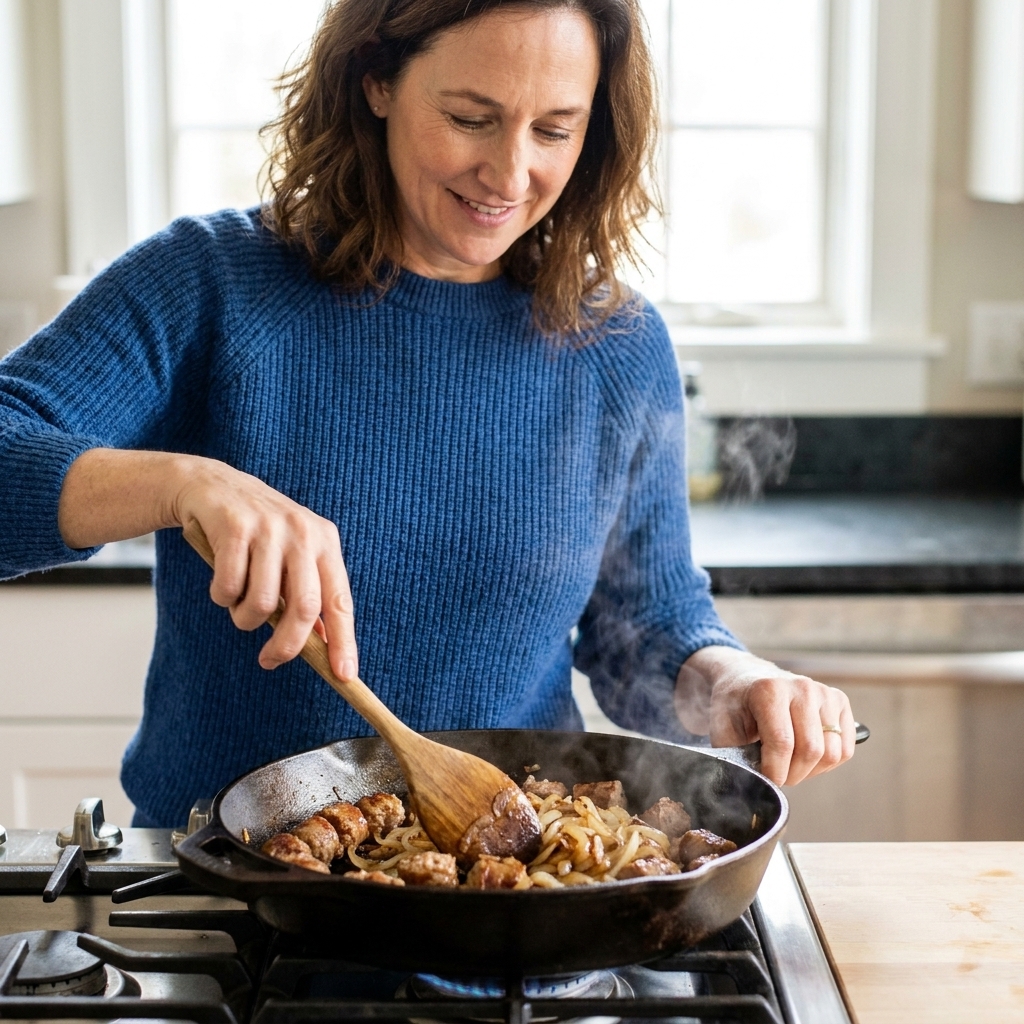
Fast thick sauces
The biggest reason quick casseroles disappoint is extra liquid. Fast cooking ingredients, especially frozen vegetables and rotisserie chicken, release moisture. You need a sauce that can handle it.
Three weeknight thickeners
- Roux method (classic): After browning, stir in 1 to 2 tablespoons butter, then 1 to 2 tablespoons flour. Cook 1 minute, stirring, until it smells a little nutty and loses that raw flour vibe, then whisk in broth or milk. It thickens quickly and tastes like real comfort food.
- Cream cheese method (no flour): Whisk in 2 to 4 ounces cream cheese with broth. It melts into a stable creamy sauce that reheats well.
- Greek yogurt or sour cream method (stir in off heat): Simmer your sauce first, then turn off the heat and stir in dairy at the end to prevent curdling.
Two pantry helpers I always keep
- Evaporated milk: creamy, sturdy, and less likely to break than regular milk at higher heat. It can still act up with very acidic sauces, so if you are working with a lot of tomato or citrus, keep the heat gentler and add acid at the end.
- Condensed cream soups: I use them when life is chaotic. If you want to lighten the salt and keep it from getting gloppy, thin with unsalted broth. If you add lemon to brighten, do it off heat and just a small squeeze, then taste.
Three 30-minute casserole plans
These are my repeatable combos. Swap ingredients based on what you have, but keep the ratio: enough sauce to coat, enough starch to feel filling, and a top that browns fast. The key to the timing is this: the filling should be hot, close to a simmer, before it goes into the oven.
1) Creamy chicken tortellini bake
- Skillet: sauté garlic in a little butter, add a splash of broth, then melt in cream cheese.
- Add: rotisserie chicken + baby spinach.
- Stir in: refrigerated tortellini (or leftover pasta).
- Top: mozzarella + parmesan.
- Bake: 425°F for 10 to 12 minutes, or until bubbly and serving-hot in the center.
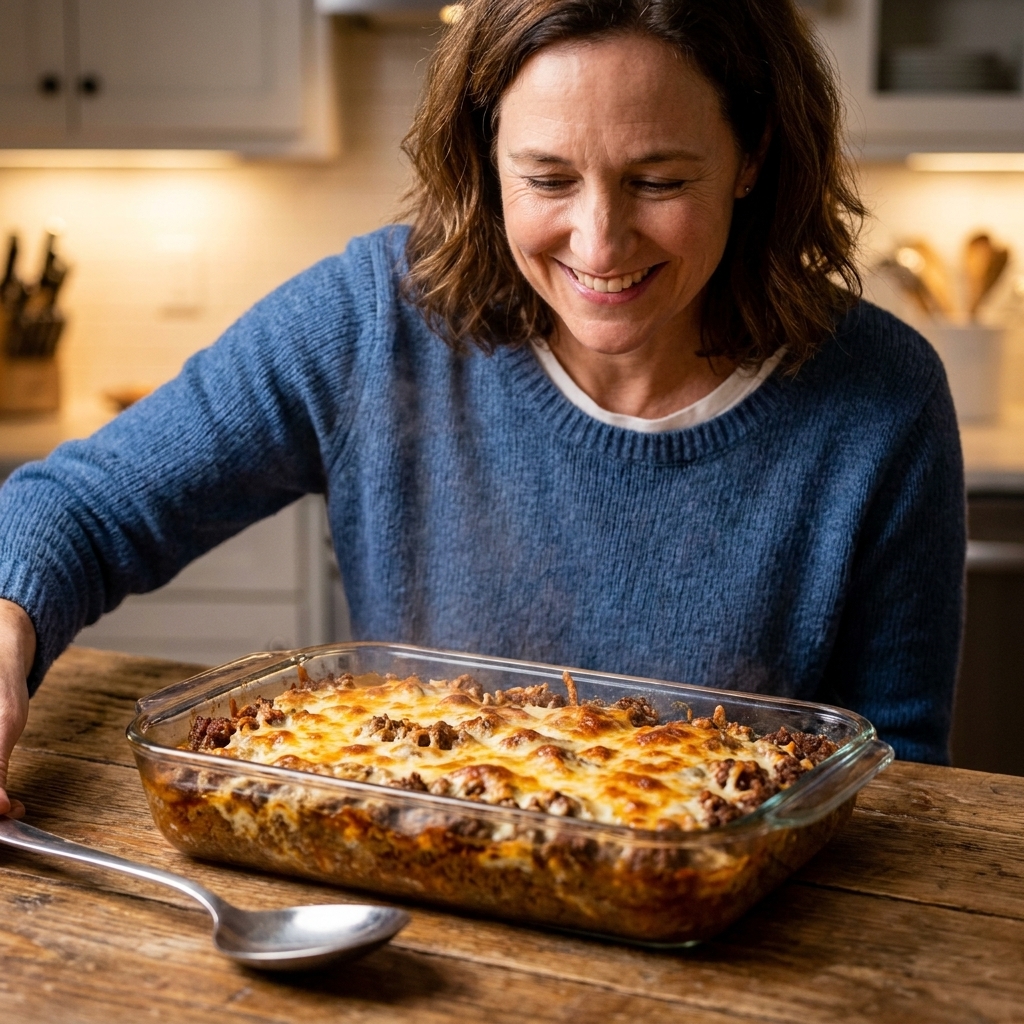
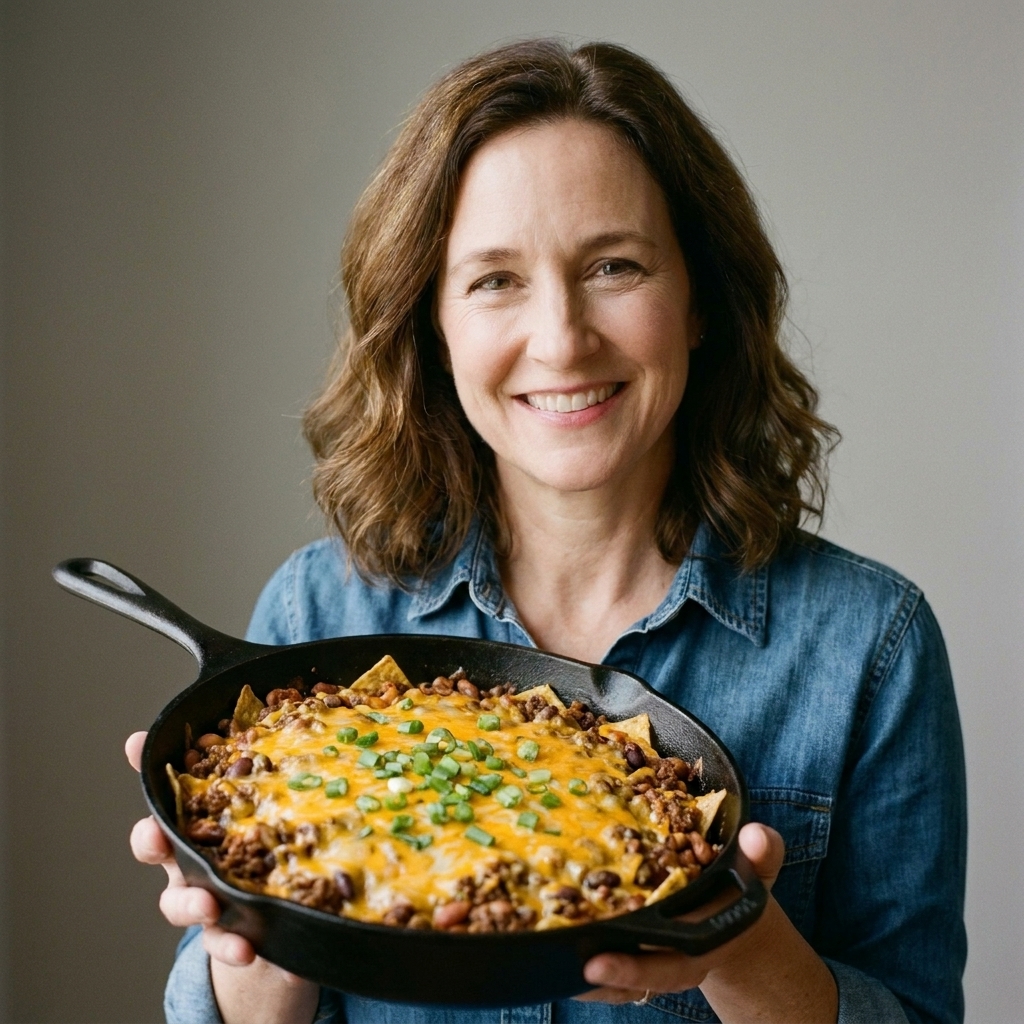
2) Taco beef and rice skillet bake
- Skillet: brown ground beef with onion, drain if needed, add taco seasoning.
- Simmer: salsa + a little broth + black beans.
- Stir in: microwave rice pouch.
- Top: cheddar or pepper jack, plus crushed tortilla chips in the last 5 minutes for crunch.
- Bake: 450°F for about 8 to 12 minutes, depending on how hot your filling was and how full your skillet is.
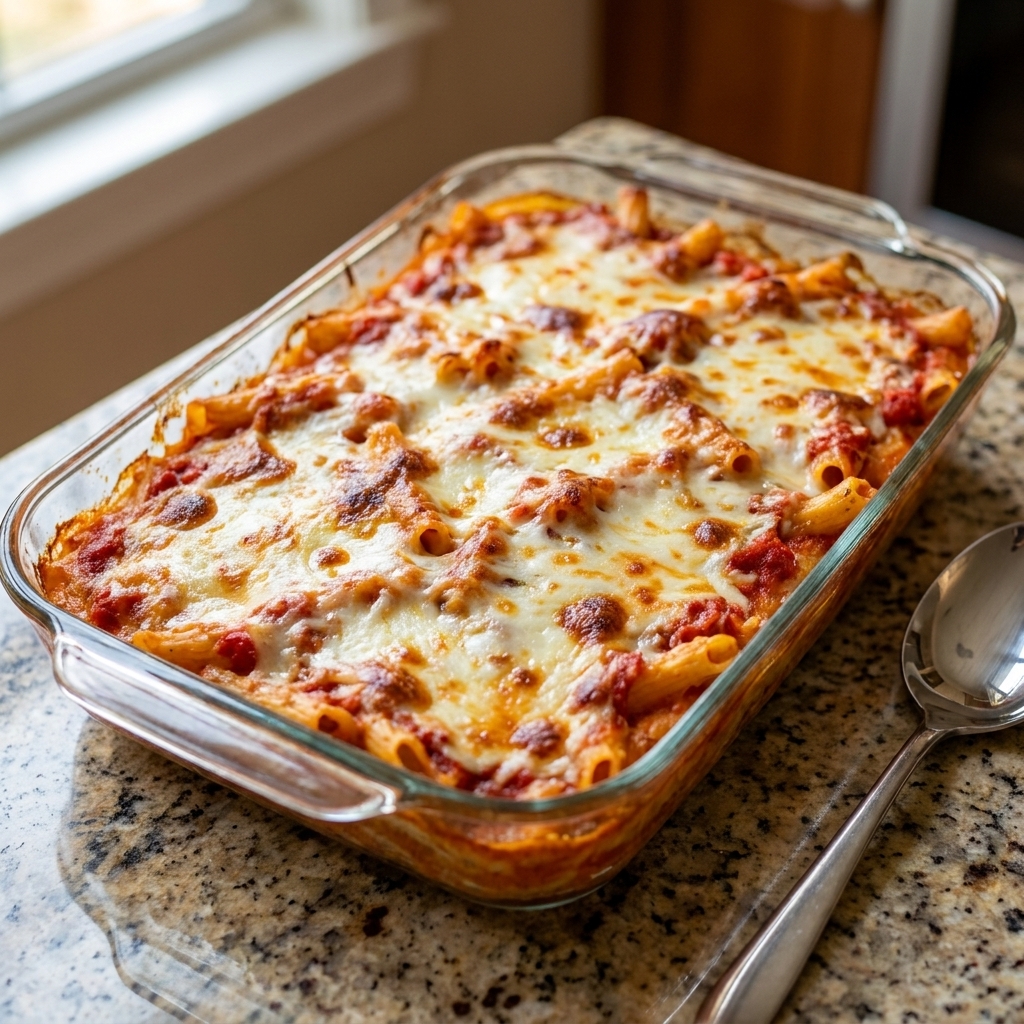
3) Sausage and broccoli Alfredo-ish bake
- Skillet: brown sliced smoked sausage.
- Add: thawed frozen broccoli (pat it dry if it is wet).
- Sauce: jarred Alfredo plus a splash of milk, then a handful of parmesan to tighten it up.
- Stir in: cooked penne or gnocchi.
- Top: mozzarella and a buttery breadcrumb sprinkle.
- Bake: 425°F for 12 to 15 minutes until bubbling and browned.
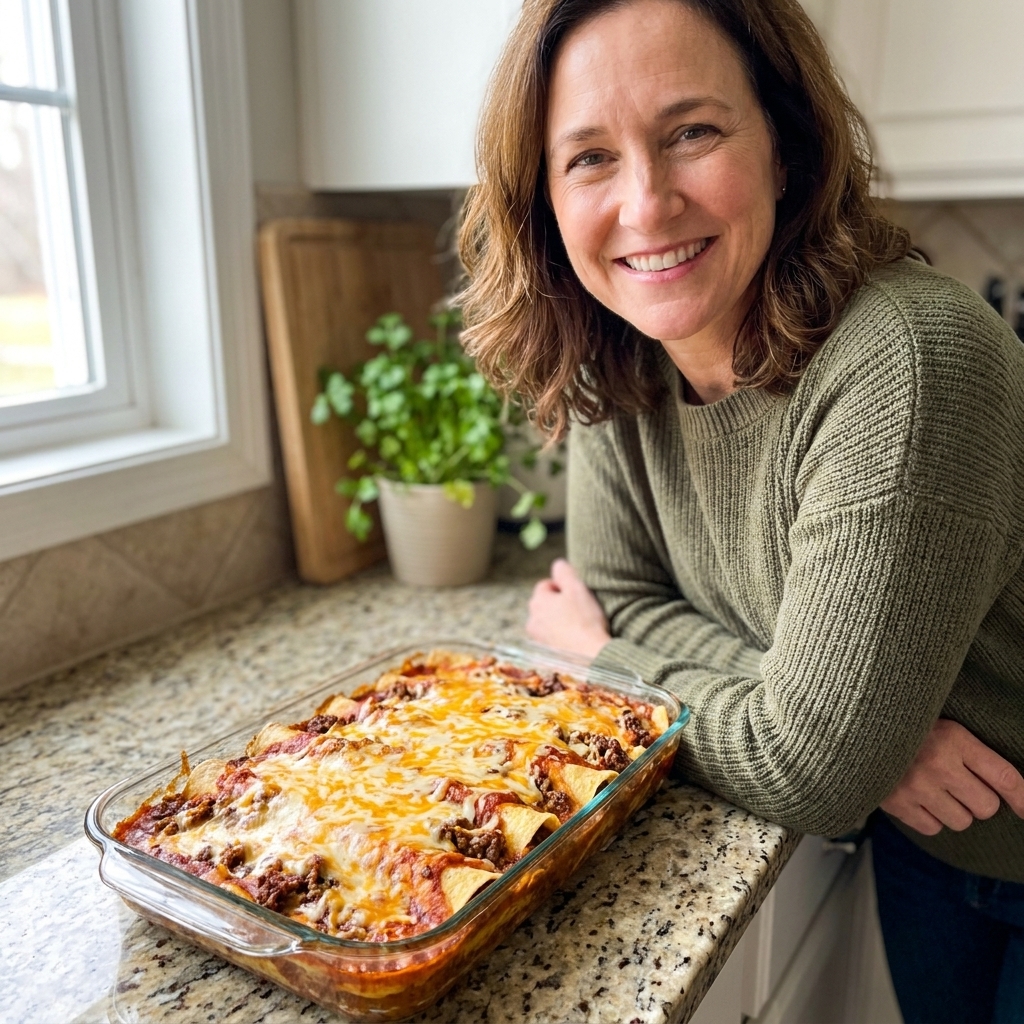
4) Veggie enchilada skillet bake
- Skillet: sauté frozen peppers and onions with a pinch of cumin and garlic powder.
- Simmer: canned black beans (rinsed) + enchilada sauce + a small splash of broth to loosen.
- Stir in: a couple handfuls of baby spinach until wilted, plus a cup or two of cooked rice or leftover quinoa.
- Top: shredded cheddar or Monterey Jack. Add crushed tortilla chips for the last 5 minutes if you want crunch.
- Bake: 425°F for 10 to 15 minutes until bubbly and hot through.
The timing trick
I learned this the hard way with three hungry kids circling the kitchen: you cannot wait to preheat at the end.
- Preheat first. Turn the oven to 425°F as soon as you walk in.
- Boil water while you chop. If you are using pasta, start the pot before you touch the skillet.
- Make the skillet filling hot. Before baking, the mixture should be steaming and truly hot throughout, not just warm around the edges.
- Use the broiler carefully. If the casserole is hot and cooked through but pale on top, 60 to 120 seconds under the broiler finishes it. Stay right there and watch it.
Moisture control
Fast casseroles are especially prone to water pooling at the bottom. Here is what keeps mine sturdy and scoopable.
- Drain and dry: Rinse beans and drain well. Thaw frozen vegetables and pat dry if they look wet.
- Reduce the sauce: Let it bubble for 2 to 3 minutes before adding starch. A slightly thicker sauce in the skillet becomes perfect in the oven.
- Do not over-sauce: You want everything coated, not swimming. If you can ladle your skillet like soup, it is too loose.
- Add crunchy toppings late: Chips, crackers, and panko go on for the last 5 to 8 minutes so they stay crisp.
- Rest 5 minutes: This sounds small, but it sets the sauce so servings hold together.
Make-ahead and freezer tips
I am a big believer in keeping backup dinners. For skillet-to-oven casseroles, the best freezer strategy is to freeze components, not a fully baked skillet that may dry out on reheat.
Best make-ahead approach
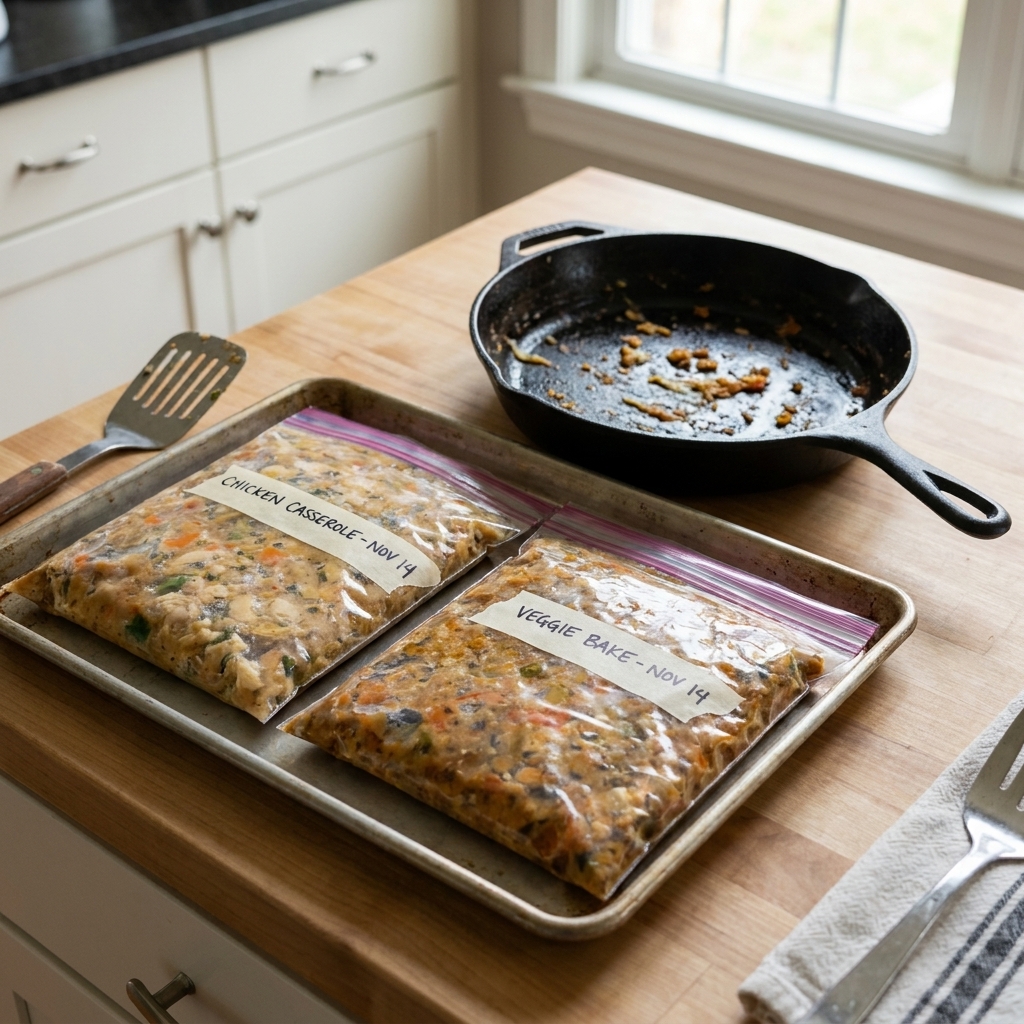
- Cook the filling, skip the bake: Brown the protein and build the thick sauce. Cool completely.
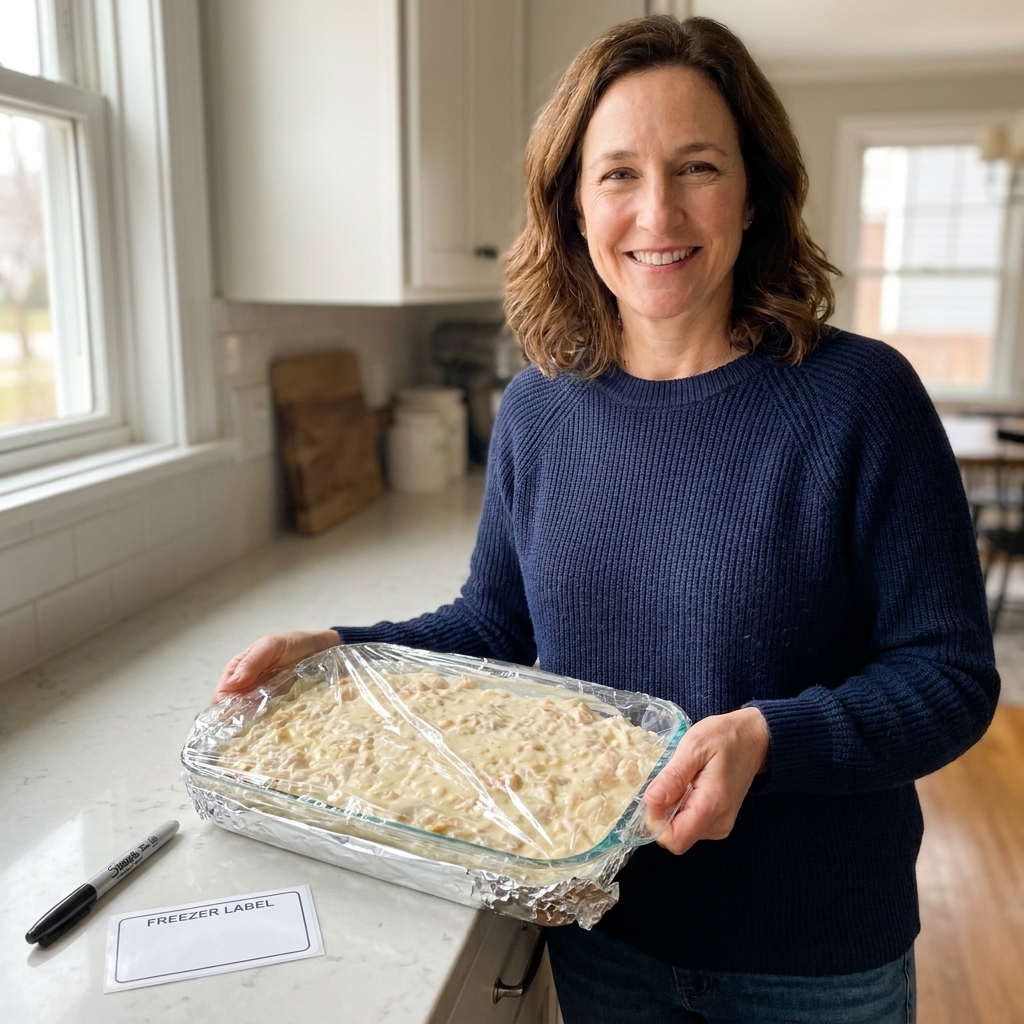
- Freeze flat: Pour into a freezer bag, press out air, label, and freeze flat so it thaws quickly.
- Day-of: Thaw, warm in the skillet until hot, stir in your quick starch (microwave rice, tortellini, leftover pasta), then top and bake.
Can you freeze it fully assembled?
Yes, but choose wisely. Creamy, cheese-based casseroles freeze better than ones with lots of watery vegetables. If you freeze assembled, leave off crunchy toppings and add them fresh.
Reheating without drying it out
- Oven: Cover with foil at 350°F until hot, then uncover to re-crisp the top.
- Microwave: Add a splash of broth or milk, cover loosely, and heat in short bursts, stirring when you can.
Cast iron note: Tomato and salsa are fine for a short cook, but I would not simmer them forever or store leftovers in the skillet. Move leftovers to a container once it cools a bit.
Common problems
My casserole is too runny
- Simmer 2 to 4 minutes longer before baking.
- Stir in a handful of shredded cheese or a tablespoon of parmesan to tighten it.
- Next time, reduce broth and thaw frozen veg first.
My top browned but the middle feels cool
- Your skillet likely went in lukewarm or overfilled. Make sure the filling is hot throughout before baking, and keep the volume reasonable for a 10 to 12 inch skillet.
- Lower the oven to 400°F and bake a few minutes longer, loosely tented with foil if the top is getting too dark.
My pasta got mushy
- Use slightly undercooked pasta, or better yet, use leftovers that were cooked al dente.
- Keep the bake short and hot. Think 10 to 12 minutes, not 25.
It tastes too salty
- Loosen with unsalted broth, then add a squeeze of lemon or a tiny splash of vinegar off heat to balance.
- Stir in more cooked rice or pasta, or add a handful of no-salt beans or vegetables to soak it up.
It came out dry
- Next time, pull it as soon as it is bubbling and hot through. Overbaking dries out fast in a wide skillet.
- To save it, stir in a splash of broth or milk, cover with foil, and warm a few minutes to loosen everything back up.
Shopping list staples
If you stock a few “casserole accelerators,” you can improvise dinner without starting from zero.
- Ground turkey or beef (freeze in 1-pound flat packs)
- Smoked sausage
- Cream cheese and shredded mozzarella
- Microwave rice pouches
- Refrigerated tortellini or shelf-stable gnocchi
- Salsa and a jar of marinara
- Enchilada sauce (or a backup jar of something you like)
- Frozen peppers and onions, frozen broccoli, baby spinach
- Panko or buttery crackers for quick crunch
One last nudge
When you are trying to get dinner on the table fast, you do not need perfection. You need a hot pan, a thickened sauce, and a finish that feels cozy. Start with the skillet for flavor, let the oven do the heavy lifting, and you will be pulling a bubbling, weeknight-saving casserole out of the oven before anyone has time to ask, “What’s for dinner?”