
Hi, I’m Clara Jenkins, and I’m so glad you’re here at Casserole Crate. If you grew up around potlucks, church basements, team dinners, or big family Sundays where the good pan always came out first, you’re my kind of people. I’m a dedicated home cook and meal-prep enthusiast who has spent years learning what makes a casserole truly work, especially in a trusty 9x13 pan.
Casserole Crate is where you’ll find cozy, dependable 9x13 dinners, plus freezer and reheating guidance that is built for real weeknights.
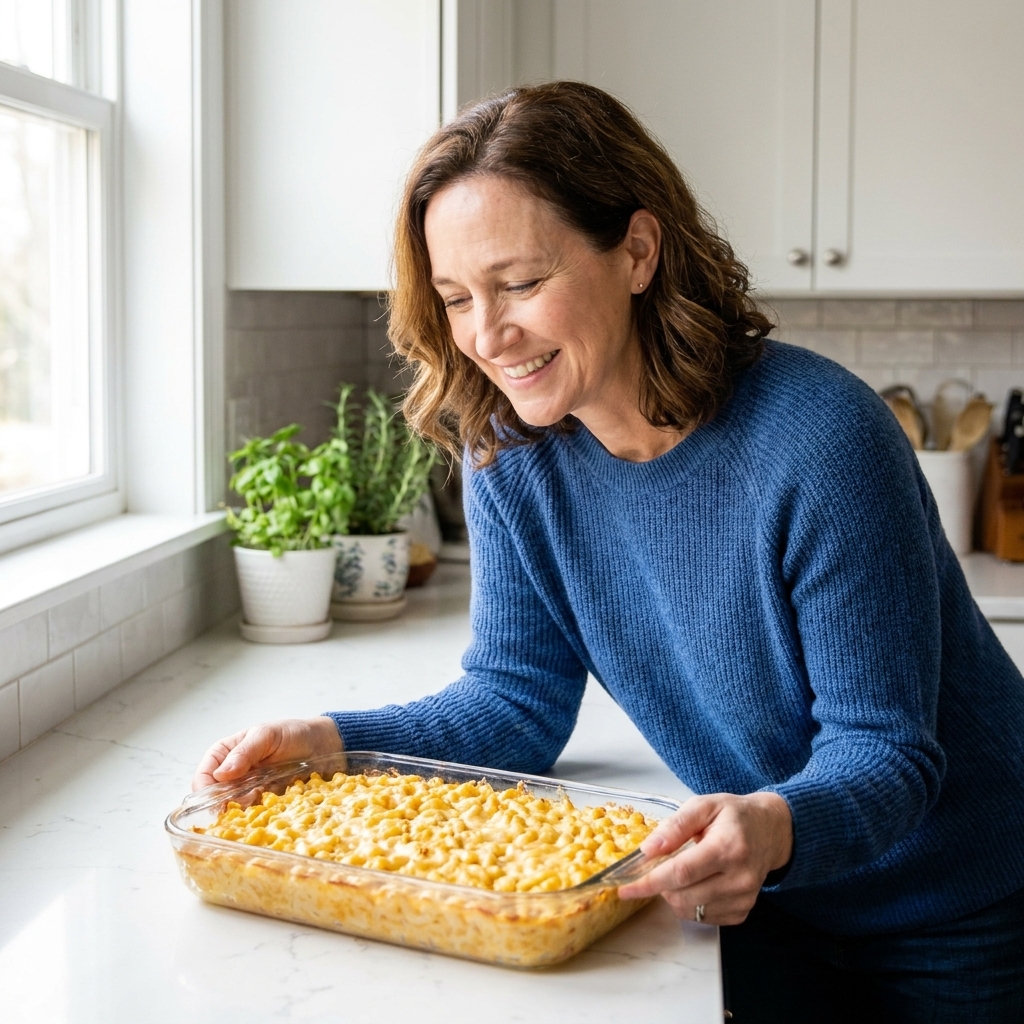
I did not go to culinary school. My education happened the way most real-life cooking happens, by feeding people I love, making mistakes, taking notes, and figuring out how to get dinner on the table even when the day has been a lot. Over time, casseroles became my secret weapon: comforting, flexible, and honest food. They also happen to be the best way I know to turn a handful of everyday ingredients into a meal that feels like a warm hug.
Welcome. Pull up a chair, and let’s make your weeknights easier.
How I became a 9x13 person
I grew up in a bustling, big family where a bubbly, cheese-topped dish was the centerpiece of just about everything. Sundays, holidays, last-minute guests, neighborhood potlucks, and those weeks when money was tight but appetites were not. Someone always had a casserole in the oven, and someone always had a backup in the freezer.
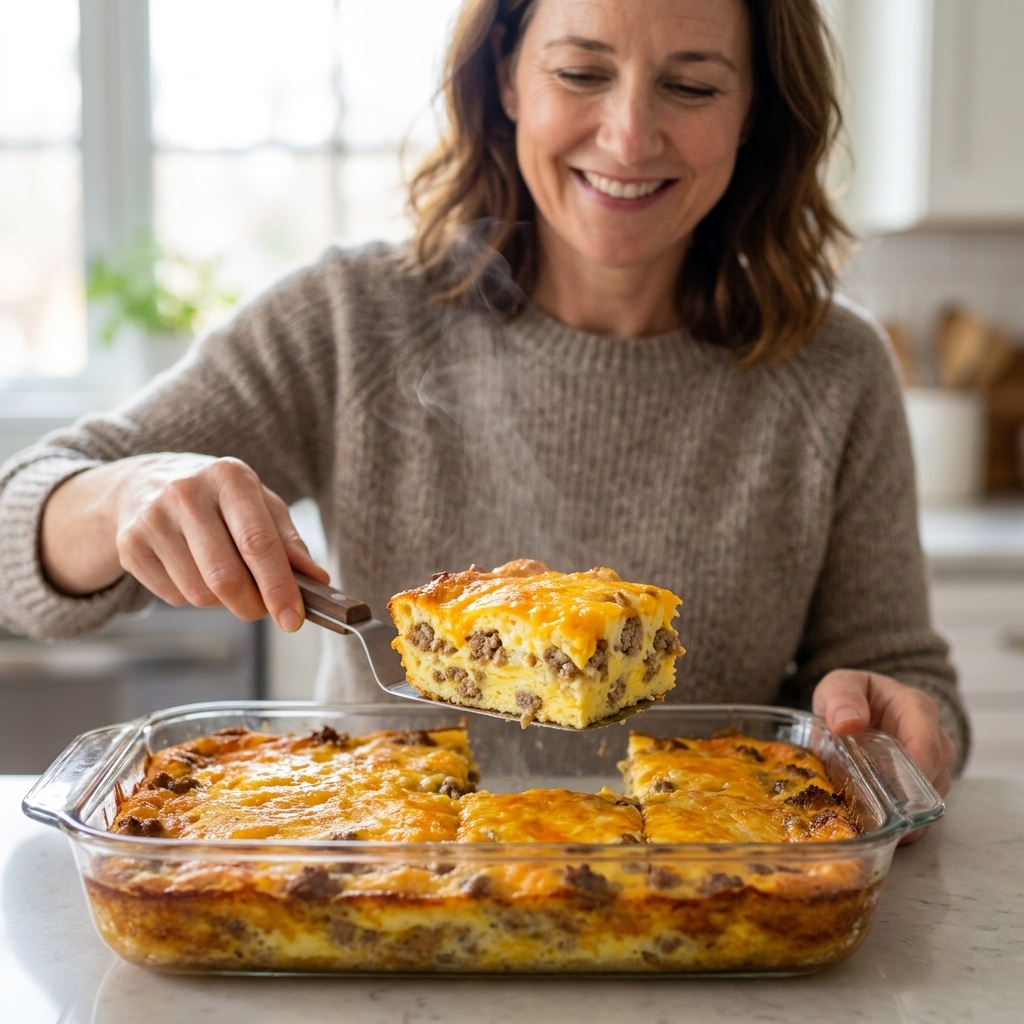
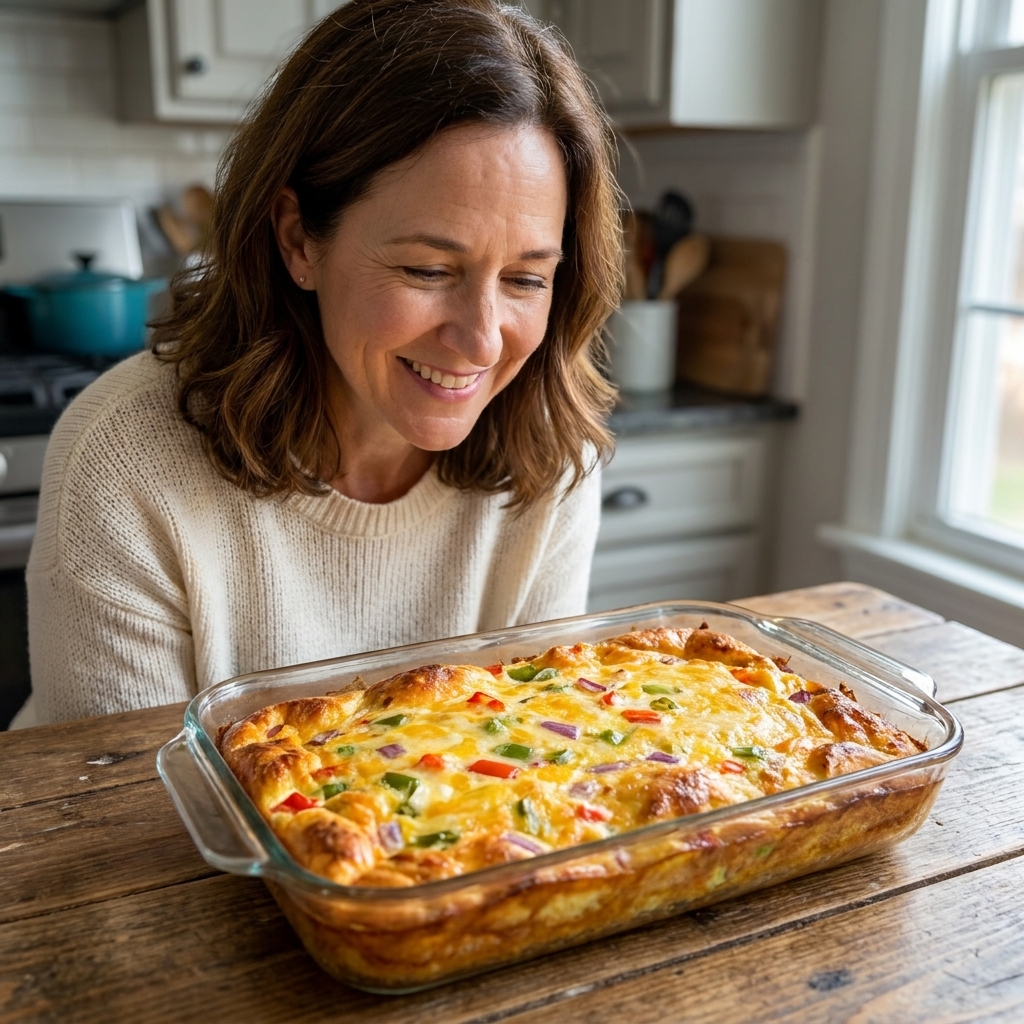
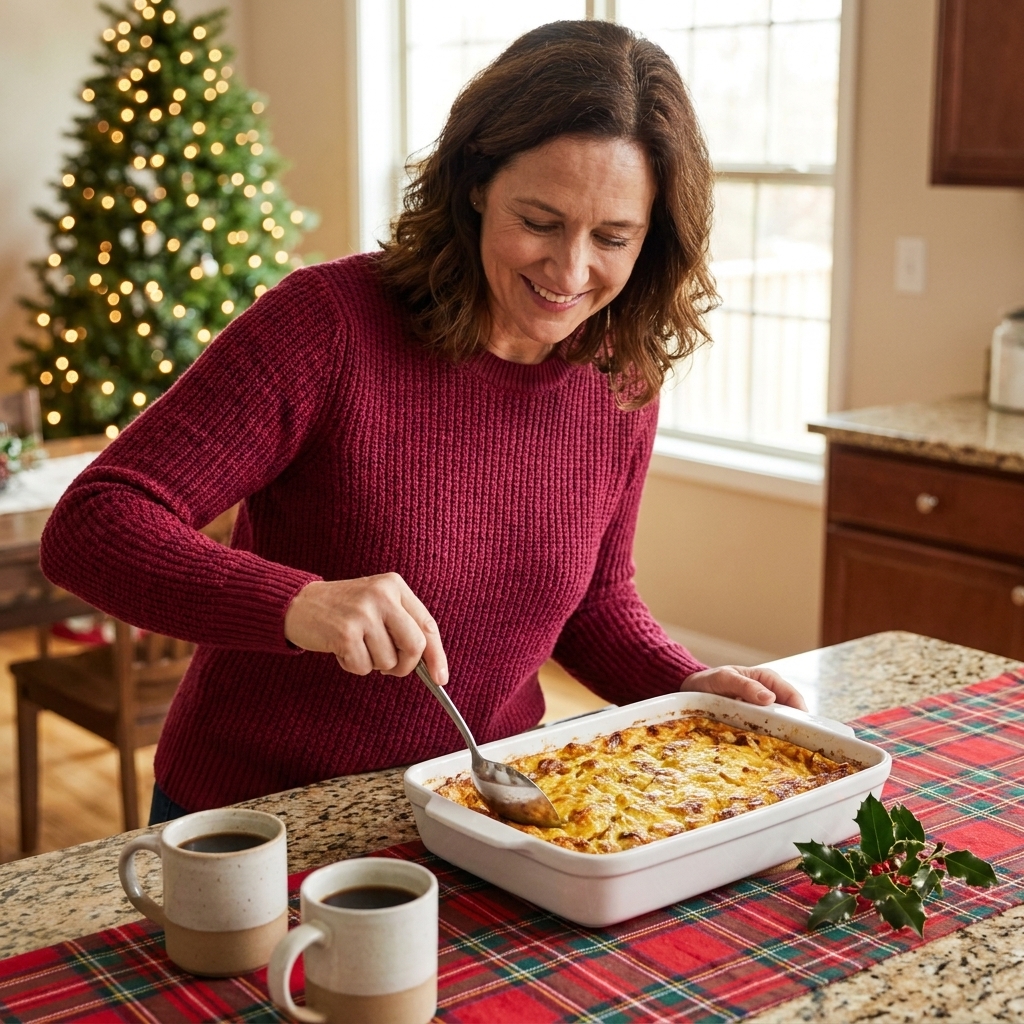
Fast forward to me as a busy mom: casseroles quickly became my practical solution for chaotic weeknights and holiday mornings. I needed dinners that could be assembled ahead, baked while homework happened, and reheated without turning into a sad, soggy mess.
That’s when my obsession started. I began paying close attention to the little things that make a huge difference: how moisture moves in the oven, what happens to pasta after freezing, and why one pan turns out creamy while another turns out watery. I’m the kind of person who will test the same recipe three times just to get the top browned evenly and the middle set just right.
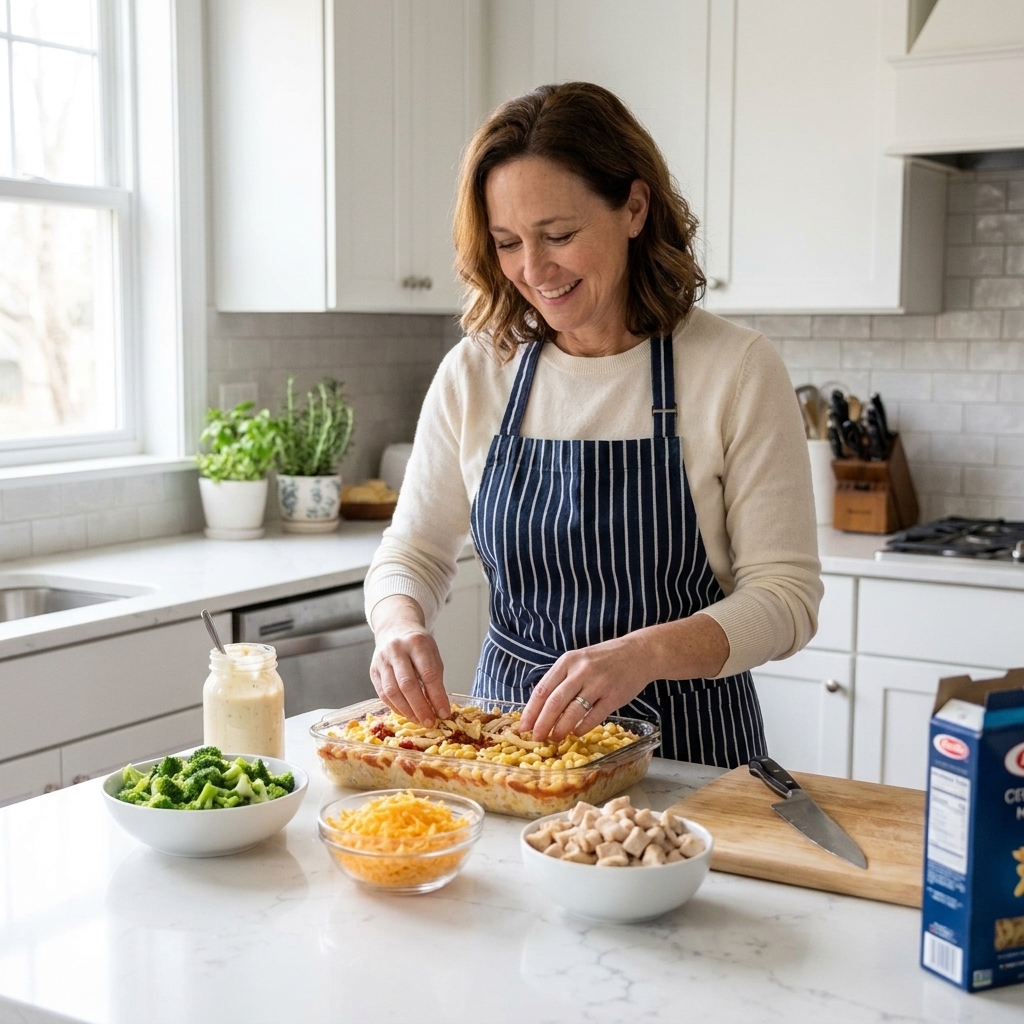
What Casserole Crate is
I created Casserole Crate for one simple reason: a hot, homemade meal should not require hours in the kitchen every single night. Life is busy. Kids are hungry. The sink is already full somehow. You deserve recipes that are dependable and comforting, not fussy.
Here is what you can expect when you cook with me:
- Hearty, family-friendly casseroles with clear steps and realistic timing.
- Make-ahead and freezer directions that actually work, including how to wrap, label, and store for best texture.
- Moisture control tips to help you avoid watery fillings, dry chicken, and dreaded soggy bottoms.
- Ingredient swaps for picky eaters, pantry gaps, and “I forgot to thaw that” moments.
- Reheating instructions that keep casseroles creamy, crisp on top, and evenly warmed through.
A quick note on my “house rules”: I cook with everyday grocery store ingredients, and I write for busy households. You’ll see plenty of family-friendly flavors, practical shortcuts, and notes for making a pan ahead when you can.
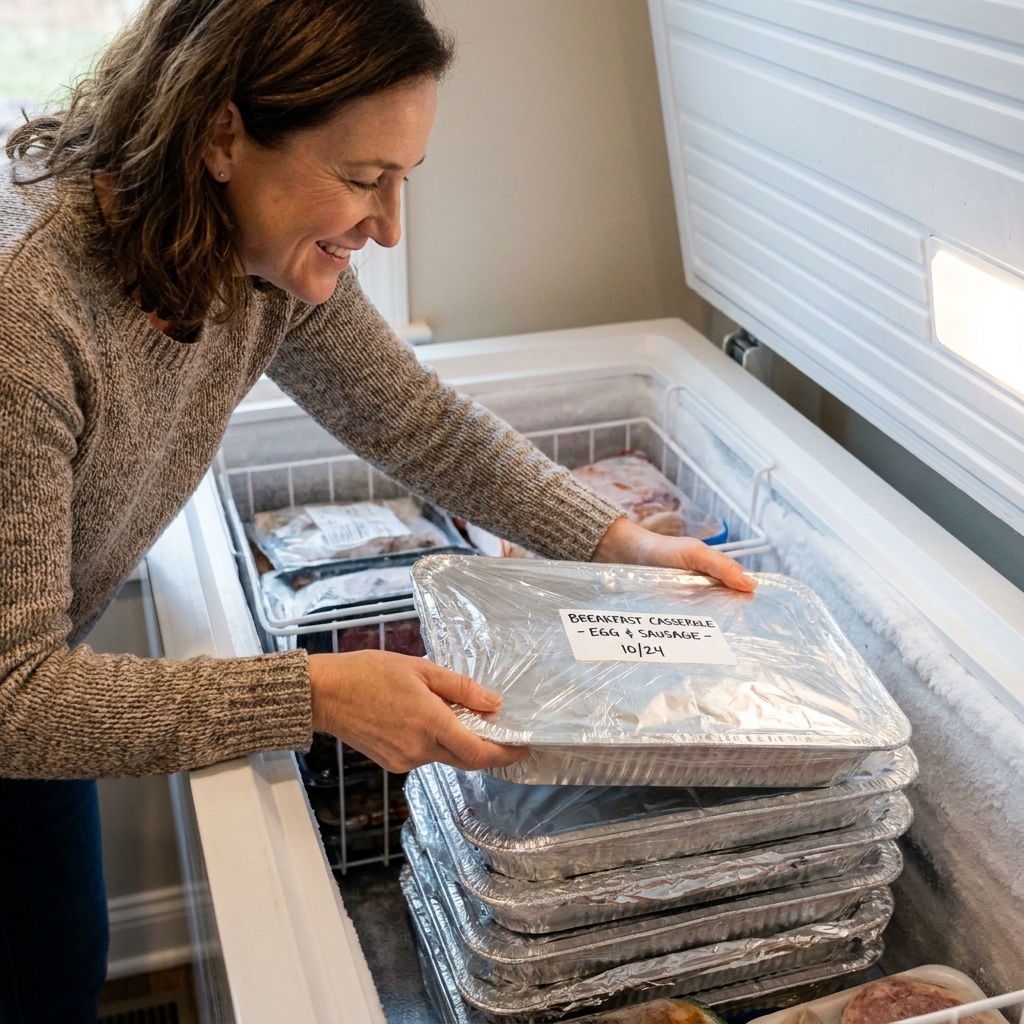
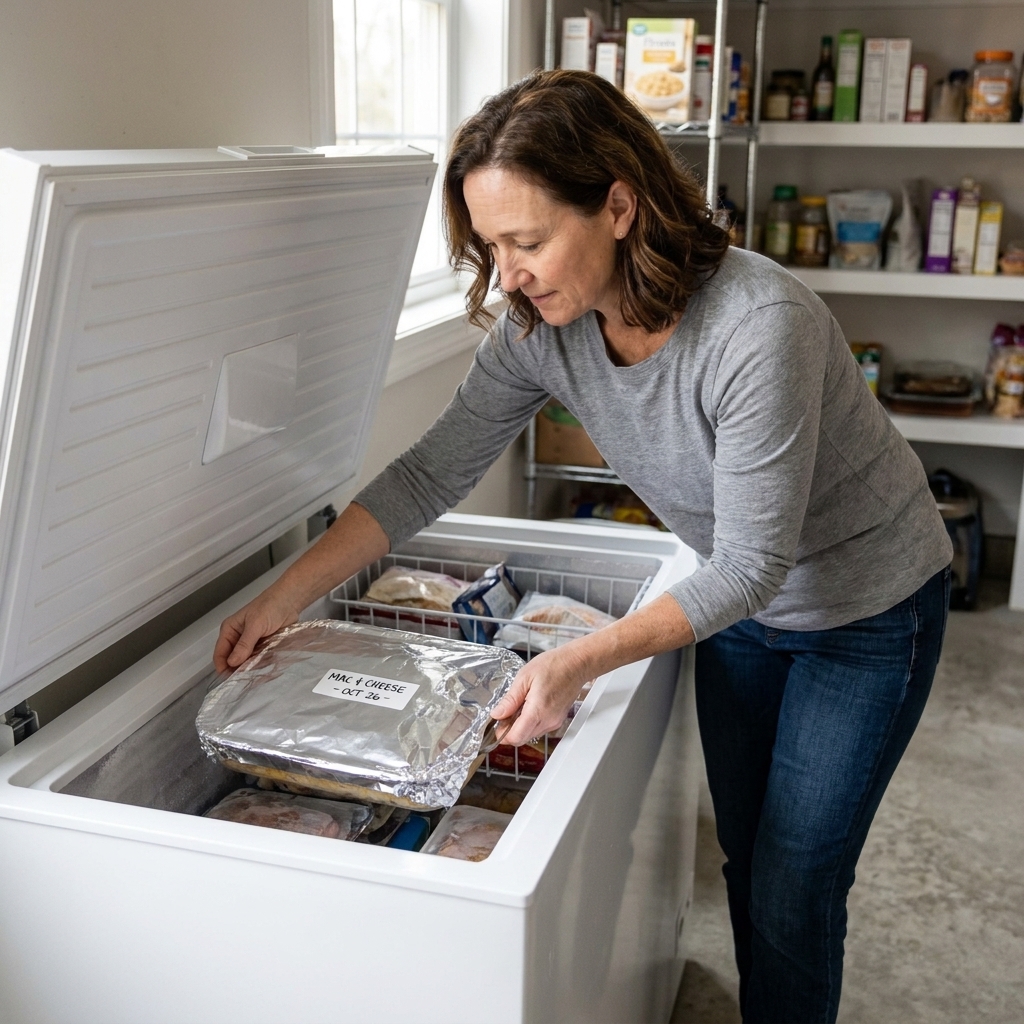
I’m oddly organized in one specific way: I always keep two emergency meals in my chest freezer. Not one. Two. One for the night dinner falls apart, and one for the week after that, when you realize the first emergency meal was not a fluke. If that sounds like you, you’ll fit right in here.
My casserole basics
Many casseroles fail for predictable reasons, and the good news is you can fix almost all of them with a few habits.
Flavor without guessing
A casserole should taste like a complete meal, not a pile of ingredients. I lean on a simple balance: something savory, something creamy, something bright, and something with texture. It might be a squeeze of lemon in a chicken bake, a spoonful of mustard in a cheese sauce, or a crunchy topping added at the right time.
Moisture matters
If you have ever cut into a casserole and watched liquid pool, you already understand my mission. In my recipes, I’m careful about:
- Thickening sauces before they go in the oven (a quick roux, a cornstarch slurry, or a few minutes of simmering can make all the difference).
- Draining cooked vegetables and browned meats well, especially anything frozen or high-moisture.
- Undercooking pasta slightly when it will bake again (usually 1 to 2 minutes shy of the box directions).
- Layering ingredients to protect bottoms from excess moisture, like keeping raw tomatoes away from bread or potatoes.
Freezer tips that hold up
Freezing casseroles is not just tossing a pan in the freezer and hoping. I share details like what freezes beautifully, what should be added fresh, and how to wrap so you do not end up with freezer burn on the corners and ice crystals in the middle.
Start here
If you’re just getting to know Casserole Crate, here’s my best neighborly advice: begin with one recipe that feels familiar, then build your freezer from there. Once you see how much calmer dinner feels when a meal is already halfway done, you’ll never go back.
As you explore, you’ll notice my recipes are written for real life. I’ll tell you when to cover with foil, when to uncover for browning, and what to do if your casserole looks too dry or too loose before it goes into the oven. I want you to feel confident, not overwhelmed.
My promise
I test recipes the way I cook at home: with kids walking through the kitchen, with a timer going off for laundry, and with that one burner that always runs hotter than the others. I aim for dishes that are comforting and forgiving, the kind you can bring to a neighbor or pull from the freezer on a Wednesday and still feel proud to serve.
Thanks for stopping by Casserole Crate. I hope you find a recipe that becomes your family’s new favorite, and maybe even a freezer habit that makes your whole week run smoother.
Welcome to the crate.