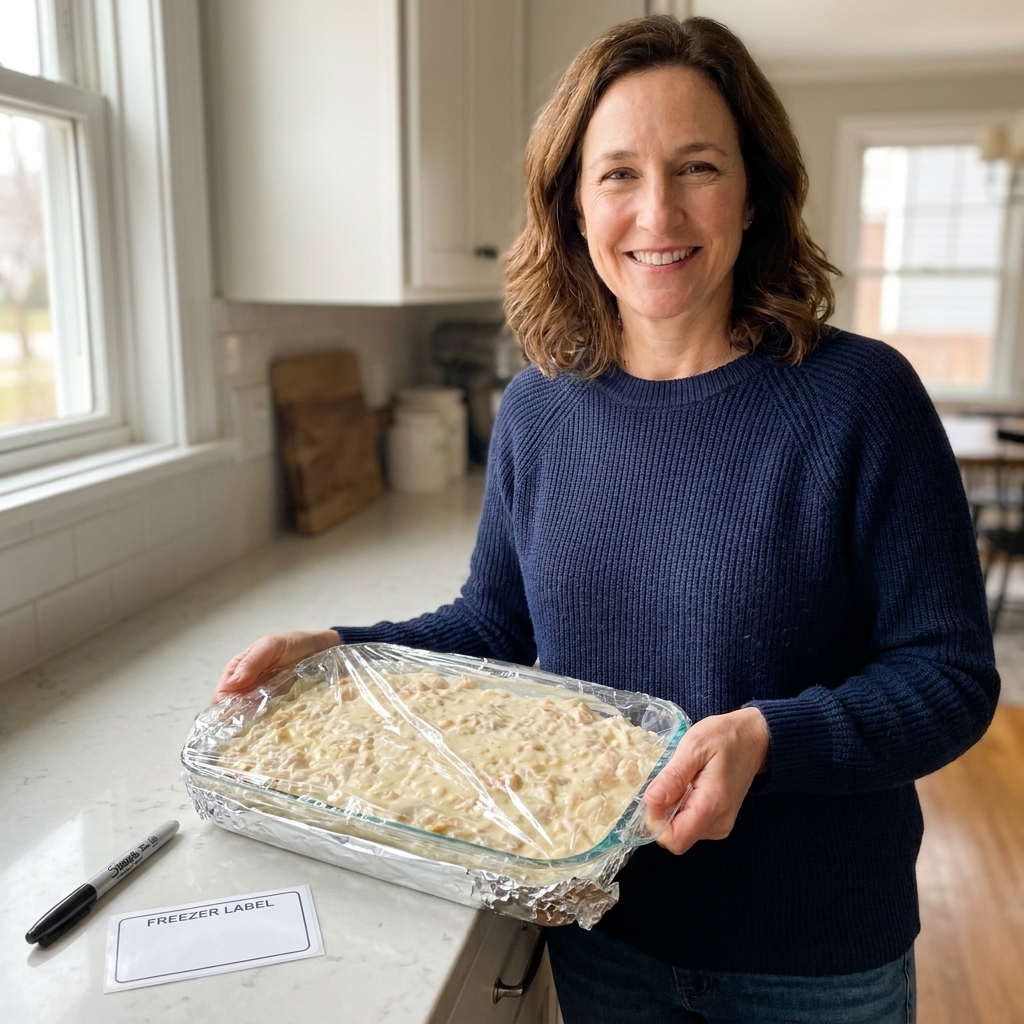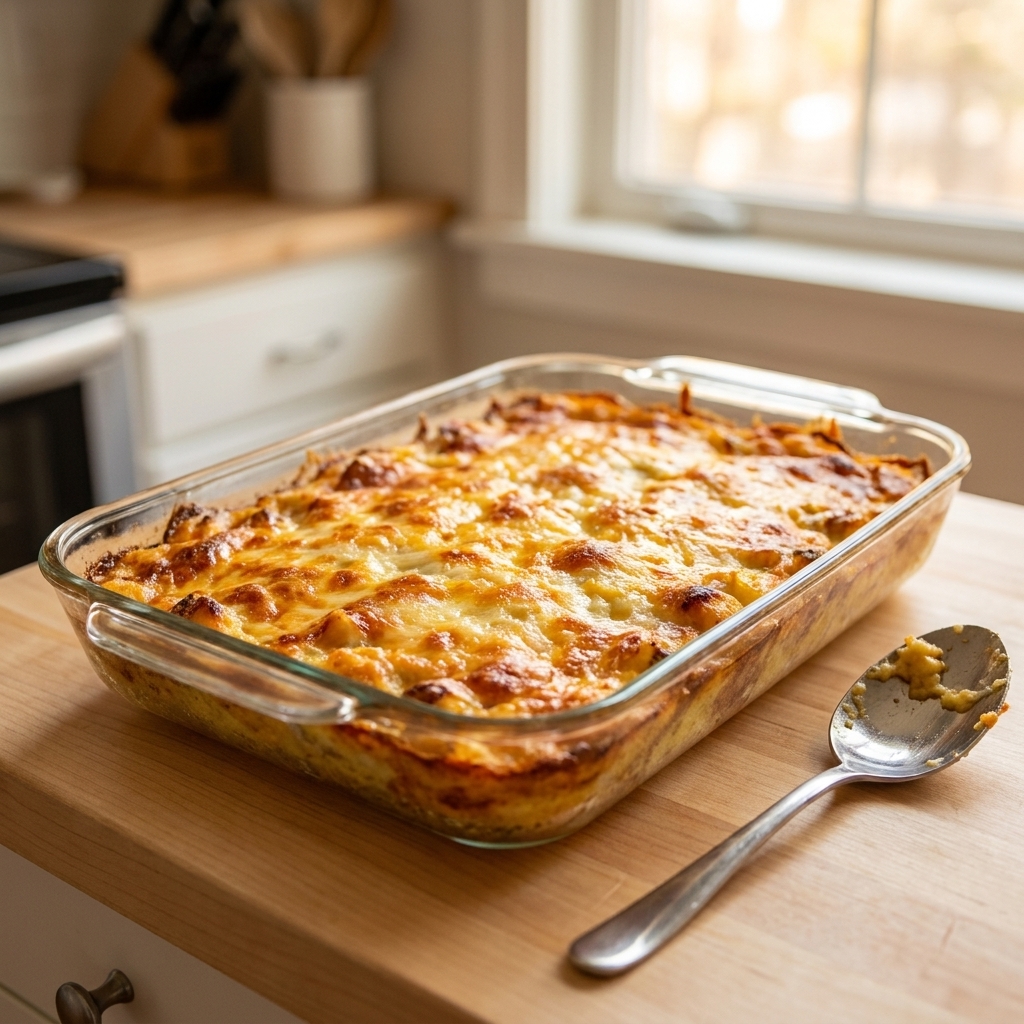

In my house, baked pasta is what happens when the day is loud, the to-do list is long, and everyone still expects a hot dinner that feels like a hug. The big question is always the same: do you grab the no-boil noodles and move on with your life, or do you cook pasta the traditional way first?
I have used both for years in my trusty 9x13. The truth is, either can be “best” depending on the casserole you are making and how saucy your recipe is. Let’s break it down so you can pick the right noodle and avoid the two heartbreaks of baked pasta: dry, crunchy corners and watery, sloshy centers.
The quick verdict
- Choose no-boil noodles when you want speed, you have a sauce-forward recipe, and you can commit to covering the pan tightly.
- Choose traditional noodles when you want the most forgiving results, you are using a thicker sauce, or you love a cleaner slice with a classic pasta bite.
What “no-boil” means
No-boil lasagna noodles (and other “oven-ready” pastas) are typically made so they soften in the oven without a separate pot of water. Many are par-cooked and then dried, and some are made thinner to hydrate quickly. Either way, the idea is the same: they need enough moisture and enough time, trapped under a good cover, to hydrate fully.
Traditional noodles are boiled first, so in the oven they are mostly just finishing, mingling flavors, and setting up into a sliceable casserole.
How they bake up
No-boil noodles
- Texture: When done right, tender and cohesive. When done wrong, you get chewy seams or crispy edges where noodles stick up above the sauce line.
- Flavor: Great sauce absorption. Sometimes a little starchy if the sauce is thin and the pan is not baked long enough.
- Margin for error: Smaller. They punish dry sauces and loose foil.
Traditional noodles
- Texture: More consistent bite across the pan. Easier to avoid hard edges.
- Flavor: Still delicious, but noodles do not soak up sauce quite as aggressively because they are already hydrated.
- Margin for error: Bigger. If you are juggling kids, homework, and a barking dog, this is the safer choice.
Moisture control
I joke about “soggy bottoms,” but moisture control is what separates a cozy casserole from a soupy mess.
The sauce rule
No-boil noodles want a slightly looser, slightly more generous sauce. Traditional noodles can handle a thicker sauce because they are not relying on it for hydration.
My simplest benchmark is this: if you can see dry pasta, you need more sauce or liquid. Noodles should be fully tucked under sauce, including the corners.
Easy adjustments
- If using no-boil: Add 1/2 to 1 cup extra liquid for a 9x13 pan recipe. Best options are marinara, tomato sauce, pasta water (if you cooked anything else), broth, or a splash of milk if the dish is creamy. If you thin with plain water, remember it can dilute seasoning, so taste your sauce and adjust salt, pepper, and herbs.
- If your sauce is very thick: Stir in 1/4 cup liquid at a time until it is spoonable and spreads easily.
- If your sauce is very thin: Simmer it 5 to 10 minutes before assembling, or plan to bake uncovered at the end a bit longer to reduce.
My favorite insurance policy for no-boil lasagna
After you assemble, pour 1/4 to 1/3 cup warm water (or broth) around the edges of the pan, not over the top. It steams under the foil and helps those corner noodles soften without making the center watery.
Covering and bake time
No-boil needs a tight cover
No-boil pasta hydrates best when moisture is trapped. If your foil tents loosely or you leave gaps, the top layer dries out before the noodles soften. If the top dries out, the noodle will not soften.
- Spray the underside of foil with cooking spray if you hate losing cheese.
- Crimp the foil firmly to the rim of the pan.
- Keep noodles fully tucked under sauce. No little corners peeking up.
Typical timing (9x13)
Every recipe varies, but these guidelines will keep you in the right neighborhood. More important than the clock is the doneness cue: you want bubbling at the edges and a knife sliding through the center without hitting a firm noodle layer.
- No-boil lasagna: 375°F covered 45 to 55 minutes, then uncovered 10 to 15 minutes to brown. Doneness cue: the center should feel tender when you slide in a thin knife.
- Traditional noodle lasagna: 375°F covered 35 to 45 minutes, then uncovered 10 to 15 minutes. Doneness cue: bubbling edges and the center is hot and steamy.
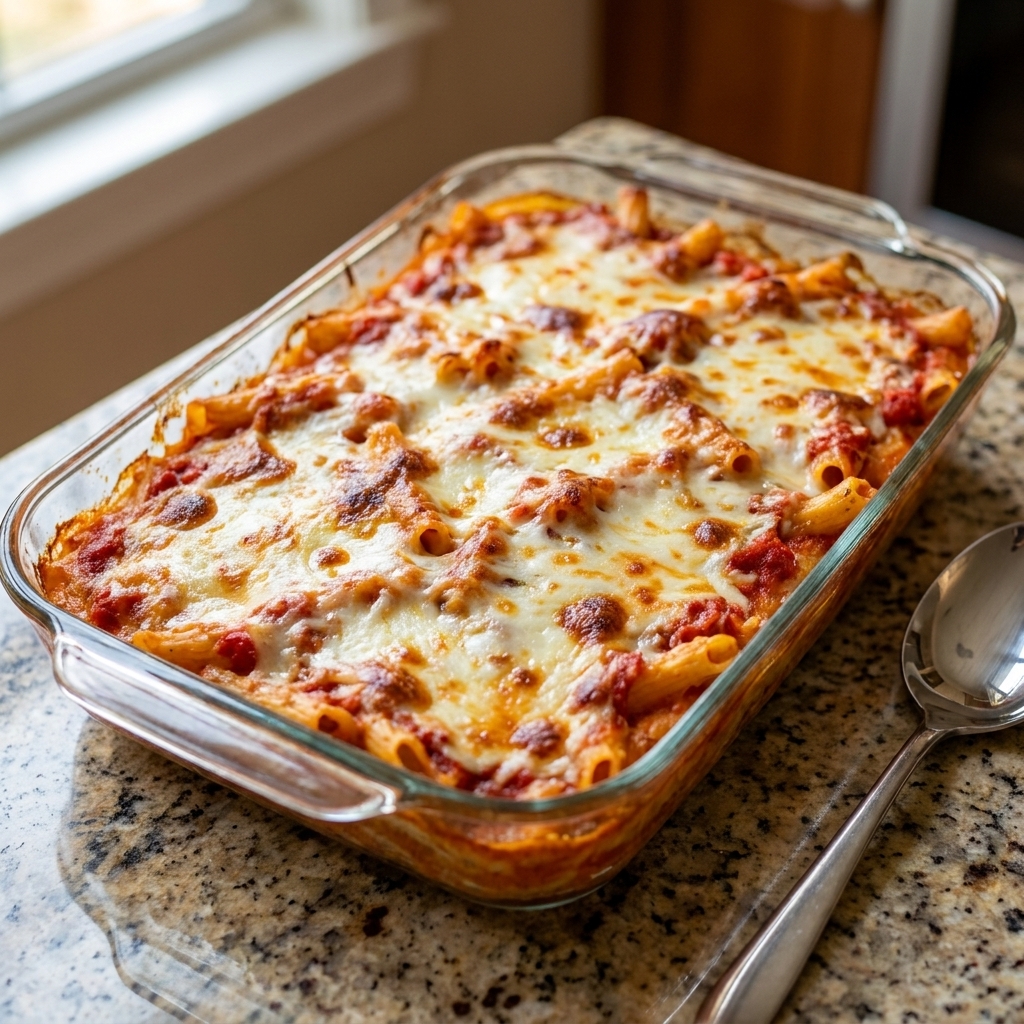
- Baked ziti with boiled pasta: 375°F uncovered 20 to 30 minutes, or covered 15 minutes then uncovered 10 to 15 minutes for browning. Doneness cue: sauce is bubbling and pasta is hot throughout.
Resting matters: Give any baked pasta 15 to 25 minutes to settle before slicing. This is how you get those neat squares that make you feel like you have your life together.
Convection and dry ovens
If you bake with convection or you know your oven runs dry, expect more top browning and faster edge evaporation. I usually lower the oven to 350°F and keep it covered a little longer, then uncover at the end just to brown.
Baked ziti
Ziti is usually made with boiled pasta, and honestly, that is still my first pick for ziti. No-boil products are most commonly lasagna sheets, and when you try to “convert” ziti into an oven-only situation, you are basically building a saucy noodle bake that needs time to hydrate.
When I pick boiled pasta
- You want the classic ziti texture, not soft all the way through.
- Your sauce is thick (meaty, reduced, or heavy on ricotta).
- You are baking uncovered for lots of browning.
If you want oven-only ziti
Use a pasta specifically labeled oven-ready in a similar shape if you can find it. If you cannot, you can still do it, but treat it like no-boil lasagna logic.
- Plan for more sauce than you think you need.
- Cover tightly for most of the bake.
- Expect a slightly softer, more spoonable result.
Lasagna
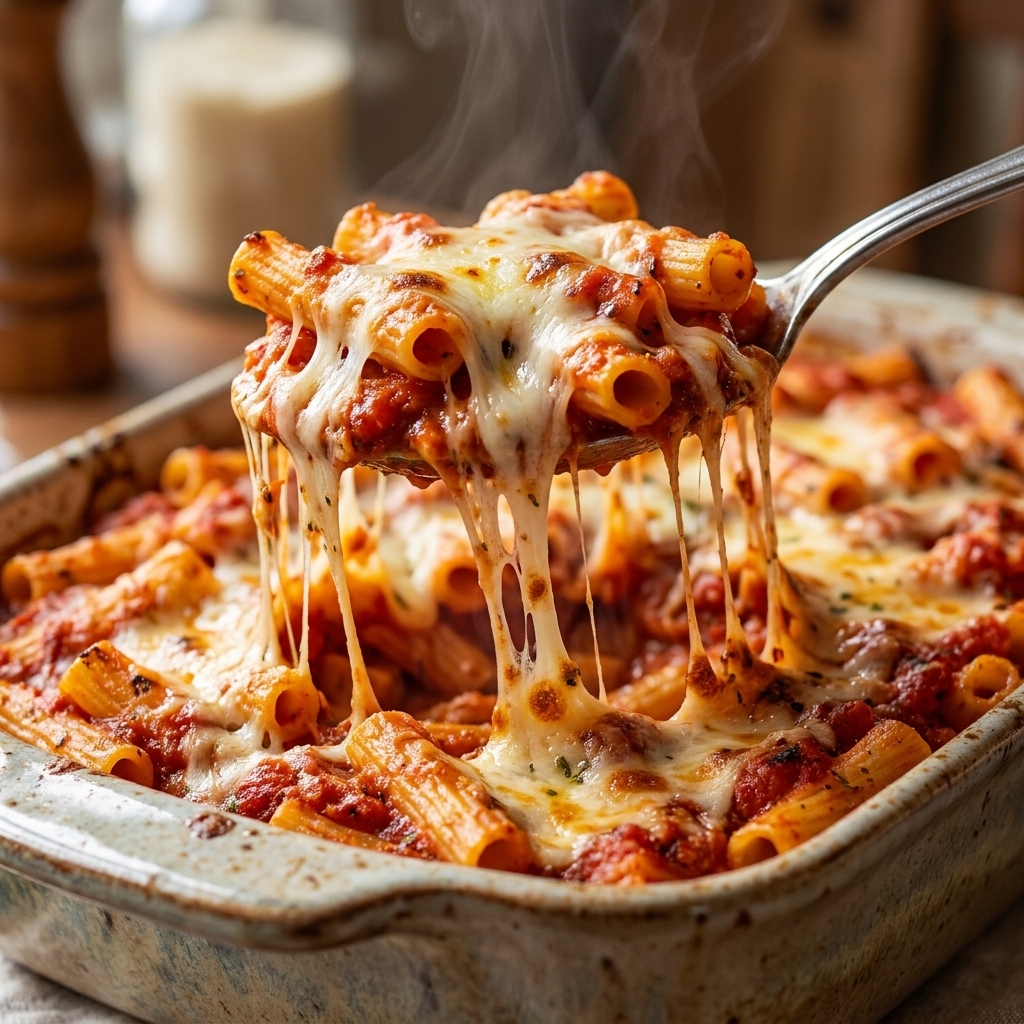
Lasagna is the home field for no-boil noodles. When your sauce is plentiful and you cover well, no-boil lasagna can be every bit as satisfying as the traditional version, with less chaos at the stove.
Best for no-boil
- Weeknight lasagna when you want to skip the boiling step.
- Meat sauce or marinara that is not too reduced.
- Lasagna you plan to assemble ahead and bake later.
Best for traditional
- Very thick fillings (extra ricotta, lots of spinach, thick meat ragù).
- You prefer a distinct noodle layer with a bit more chew.
- You are baking in a dish that tends to run hot on the edges and you routinely get crispy corners.
Clara’s moisture checklist
- Do you have enough sauce to coat each noodle layer generously?
- Are noodles completely covered, including corners?
- Is your foil tightly sealed?
- Are you resting the lasagna before cutting?
How to convert recipes
Traditional to no-boil
- Add liquid: Plan on 1/2 to 1 cup extra sauce or other liquid in a 9x13 lasagna. If you use water to loosen a sauce, taste and re-season.
- Add covered bake time: Add 10 to 15 minutes covered, then brown uncovered.
- Rest longer: No-boil versions benefit from a full 20 to 30 minutes rest so the noodles finish absorbing and the slice sets.
No-boil to traditional
- Boil noodles just shy of al dente: 1 to 2 minutes less than the box suggests. They will keep cooking in the oven.
- Reduce extra liquid: Use your normal sauce amount, but avoid adding extra water or broth unless your recipe already calls for it.
- Shorten covered bake time: Reduce covered time by 10 minutes and check for bubbling at the edges.
Freezer and make-ahead tips
I always keep two emergency meals in my chest freezer, and baked pasta is one of the best options. Here is how noodle choice changes your freezer strategy.
No-boil noodles for freezer meals
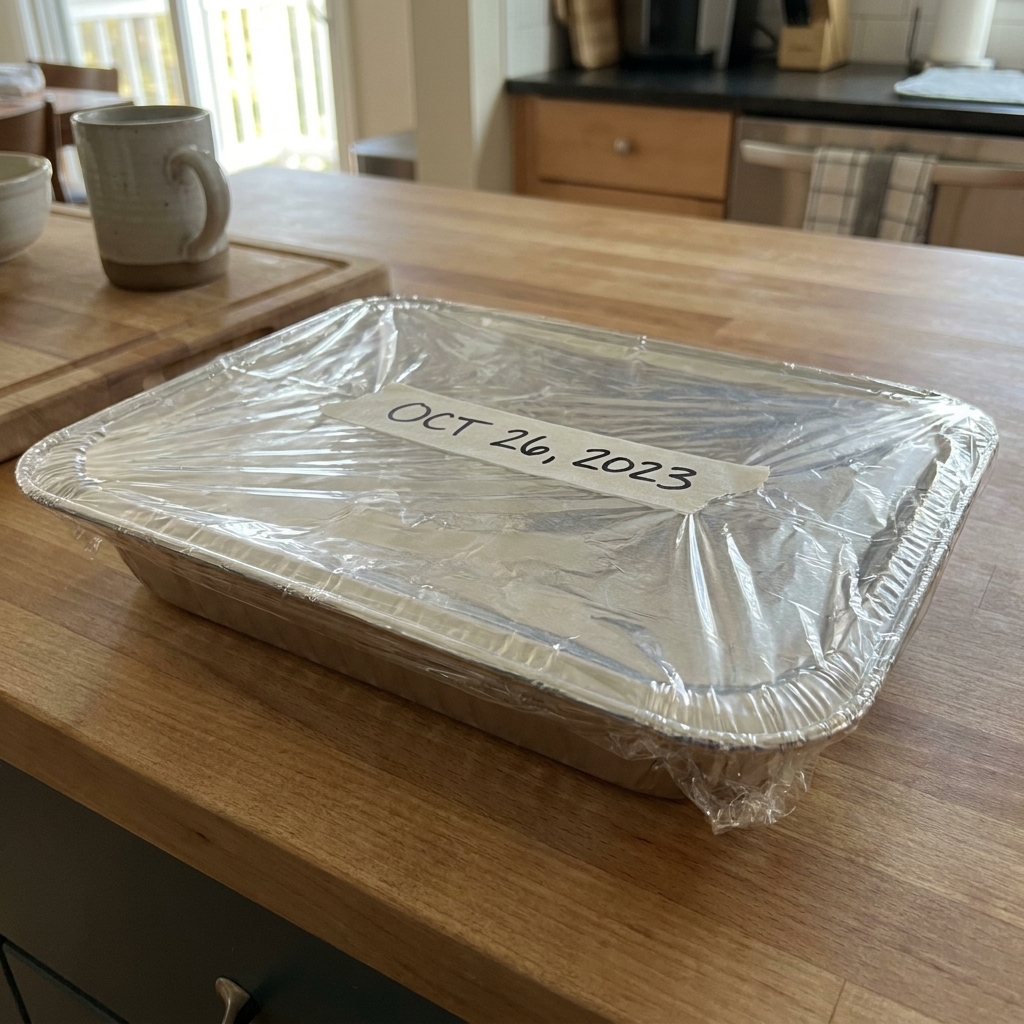
- Assemble and freeze unbaked: Great option. The noodles will still hydrate during baking.
- Go a little saucier: Freezing can dry out edges, but it can also make some fillings weep as they thaw and reheat. A little extra sauce gives you breathing room either way.
- Thawing helps: If you can thaw in the fridge 24 to 48 hours, you will get more even noodle hydration and fewer dry edges.
Traditional noodles for freezer meals
- Undercook the pasta: Aim for firm. Overcooked pasta turns mushy after freezing and reheating.
- Cool fillings before assembling: Less steam trapped in the pan means less ice buildup and less watery reheating.
- Sauce matters: Cream sauces can split if overheated. Reheat gently and covered, then finish uncovered for browning.
My go-to schedule for frozen lasagna
- From thawed: 375°F covered 45 to 60 minutes, then uncovered 10 to 15 minutes. Doneness cue: bubbling edges and the center is hot throughout.
- From frozen: 375°F covered 75 to 95 minutes, then uncovered 10 to 15 minutes. If the top browns early, lay foil back over it. For best results and safety, check that the center is 165°F before serving.
Troubleshooting
“My no-boil noodles are still crunchy.”
- Cover tighter and bake 10 to 15 minutes longer.
- Add a few tablespoons of warm water around the edges, re-cover, and continue baking.
- Next time, use more sauce and make sure noodles are fully submerged.
“My lasagna is watery.”
- Let it rest longer before slicing.
- Drain ricotta or cottage cheese if it is very wet, and squeeze cooked spinach dry.
- Simmer thin sauce to reduce before assembling.
- If you used traditional noodles, you may simply have too much extra liquid added for a no-boil method.
“My baked ziti is dry.”
- Use more sauce or reserve some for spooning over before baking.
- Cover for the first half of baking to trap moisture, then uncover to brown.
- Check pasta doneness before baking. Overcooked pasta can feel dry and grainy after baking.
“The top cheese is perfect but the edges are tough.”
- Edges cook faster. Wrap foil tightly and keep sauce higher at the perimeter.
- Consider lowering the oven to 350°F and baking a little longer, especially in dark metal pans.
- If you use convection, shorten the uncovered browning time and watch the corners closely.
What to keep in your pantry
If you have room for both, I love that setup: no-boil noodles for last-minute lasagna nights and traditional pasta for ziti and the most foolproof bakes.
If you only want one, go traditional. It is the most flexible across baked ziti, pasta bakes, and lasagnas, and it gives you the widest margin for error. But if lasagna is your signature dish and time is always tight, no-boil earns its spot, just remember the moisture and the foil seal.
FAQ
Do no-boil noodles taste different?
When fully hydrated, most people cannot tell. The biggest difference is texture. No-boil noodles can be slightly softer, especially if the casserole is very saucy.
Should I soak no-boil lasagna noodles first?
You can, but you do not have to. If you are working with a thick filling or you have had crunchy edges in the past, a quick soak in warm water for 5 minutes can help. Just blot them lightly so you do not accidentally waterlog the pan.
Can I bake lasagna uncovered the whole time?
I do not recommend it for no-boil noodles. Covered time is what softens the pasta evenly. For either noodle type, uncover at the end for browning.
What affects baking times the most?
Pan material and oven style make a big difference. Glass and ceramic bake a little slower than metal, dark metal can brown edges faster, and convection can dry the top. Use the clock as a guide, but trust the cues: bubbling edges, tender noodles when tested with a knife, and a hot center (165°F if you want to be precise).