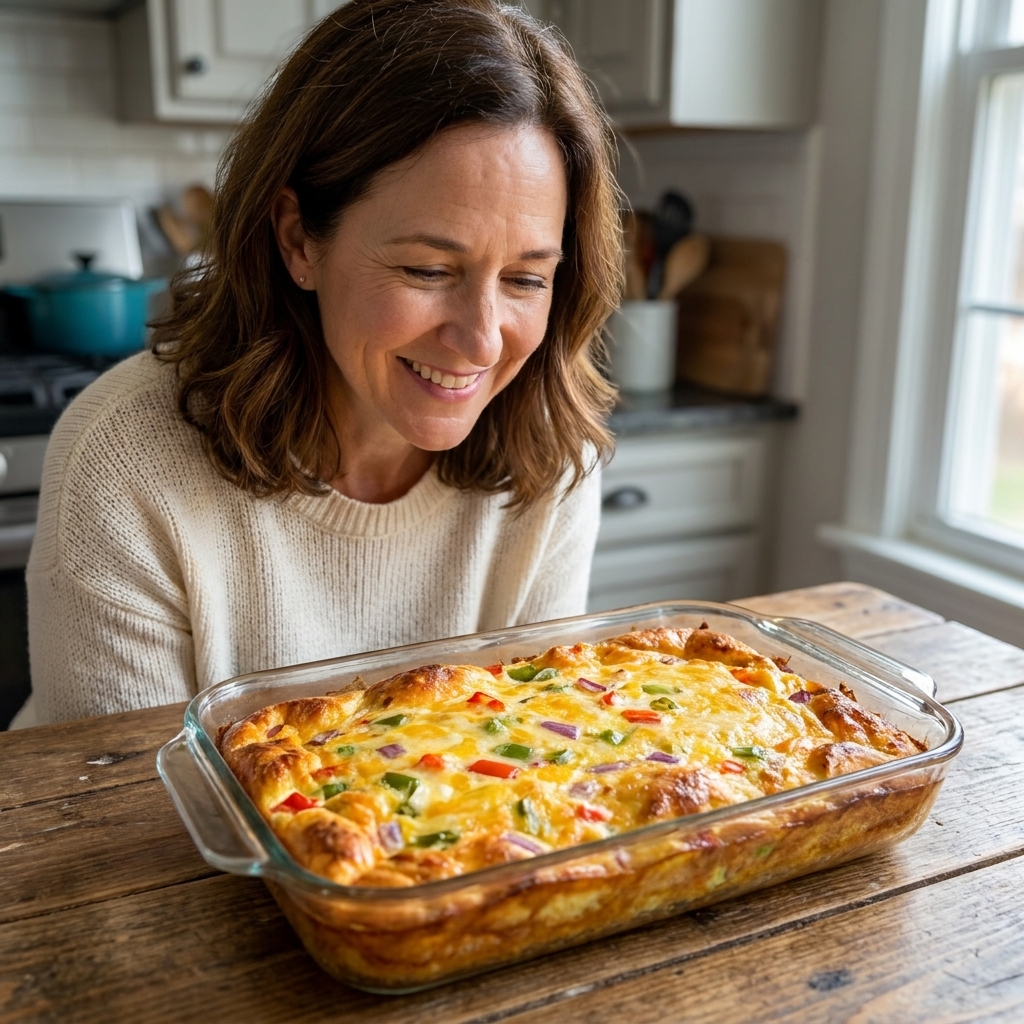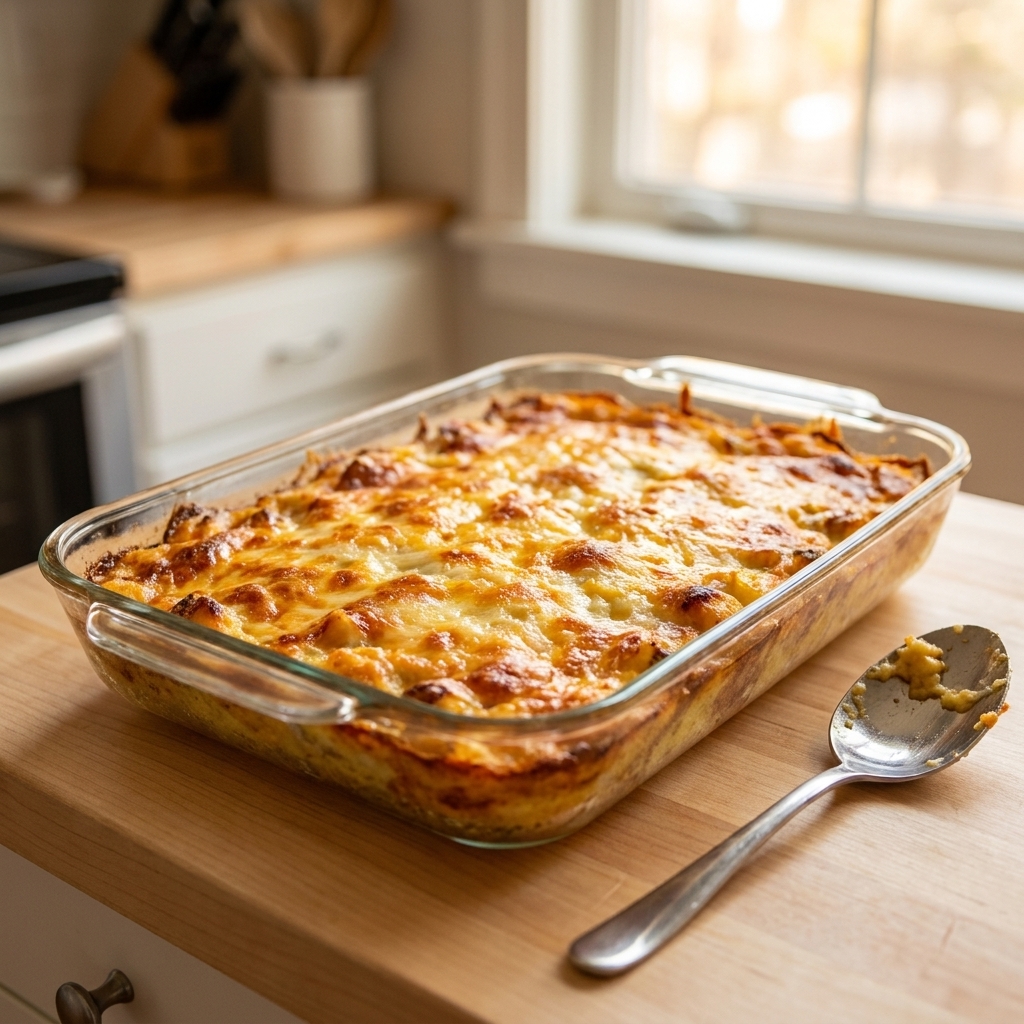

If you have ever pulled a breakfast casserole out of the oven and watched a little puddle form around the edges, you are not alone. In my house, breakfast bakes are the ultimate “feed everybody at once” move, but they can turn on you fast if the ingredients are holding too much water or the egg mixture is a little too generous.
The good news is that a soggy breakfast casserole is usually fixable. Below are my seven most reliable, make-it-on-a-weekday troubleshooting tips for a casserole that sets up fluffy, sliceable, and cozy, not wet.

1) Get the egg-to-dairy ratio right
Most soggy breakfast casseroles start with too much liquid in the custard for the amount of eggs and mix-ins. Eggs can only hold so much dairy and released moisture before the casserole starts to look loose or “weepy.”
For a standard, not-too-deep 9x13 pan, this is my no-fail starting point:
- 10 to 12 large eggs
- 2 to 2 1/2 cups dairy total (milk, half-and-half, or a blend)
Two caveats that matter in real life: if your dish is deeper than usual or you are piling in lots of fillings, you may need more total custard and a longer bake. If you are using very wet mix-ins (mushrooms, spinach, tomatoes, thawed hash browns), lean toward 2 cups dairy. If your mix-ins are drier (cooked sausage, diced ham, toasted bread), you can push closer to 2 1/2 cups.
Quick reality check
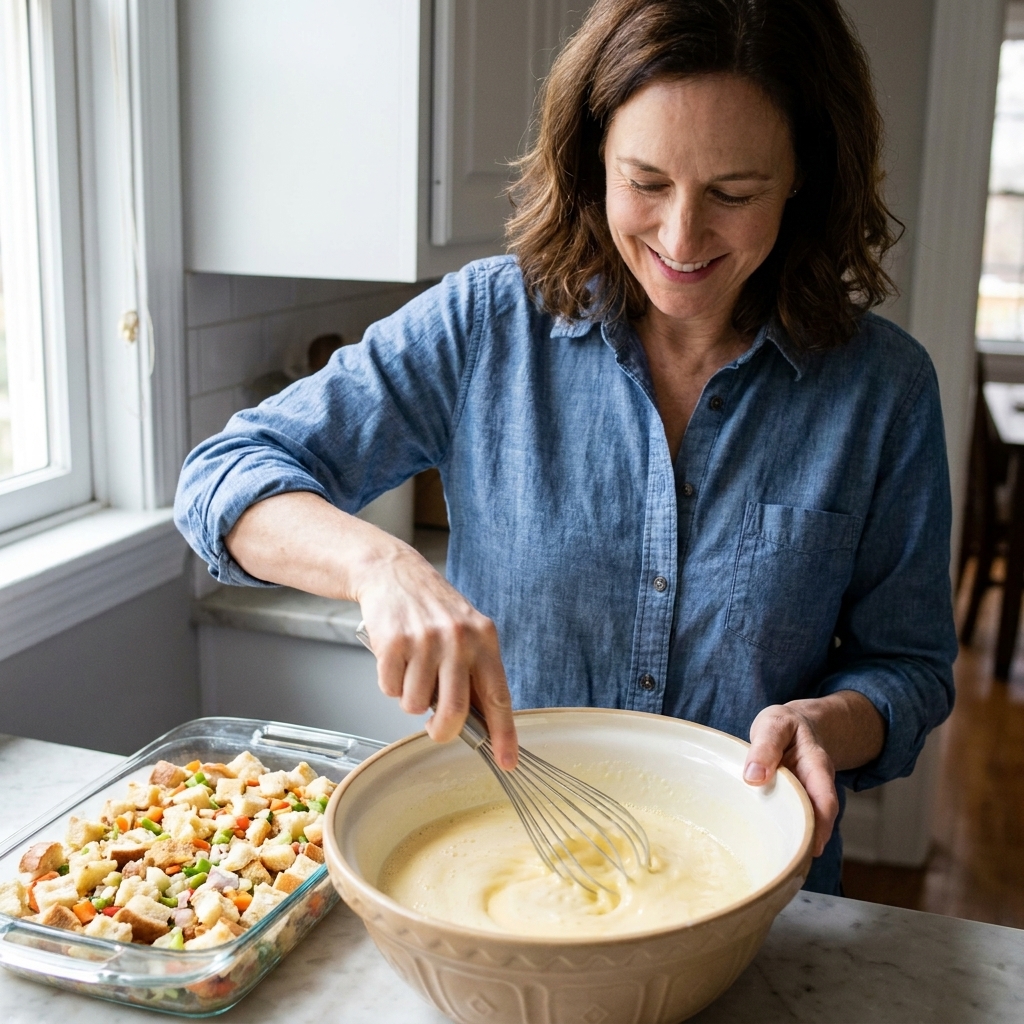
When you whisk your custard, it should pour easily but still look egg-forward, not like thin soup. If it looks like straight milk with a few eggs floating in it, it is headed for soggy.
2) Cook and drain vegetables well
Vegetables release water as they bake. If you put them in raw, your casserole becomes the drain pan.
- Mushrooms: sauté until they stop giving off liquid and start to brown. If you salt them early, expect more liquid and cook it off fully.
- Bell peppers and onions: sauté 5 to 8 minutes to soften and evaporate moisture.
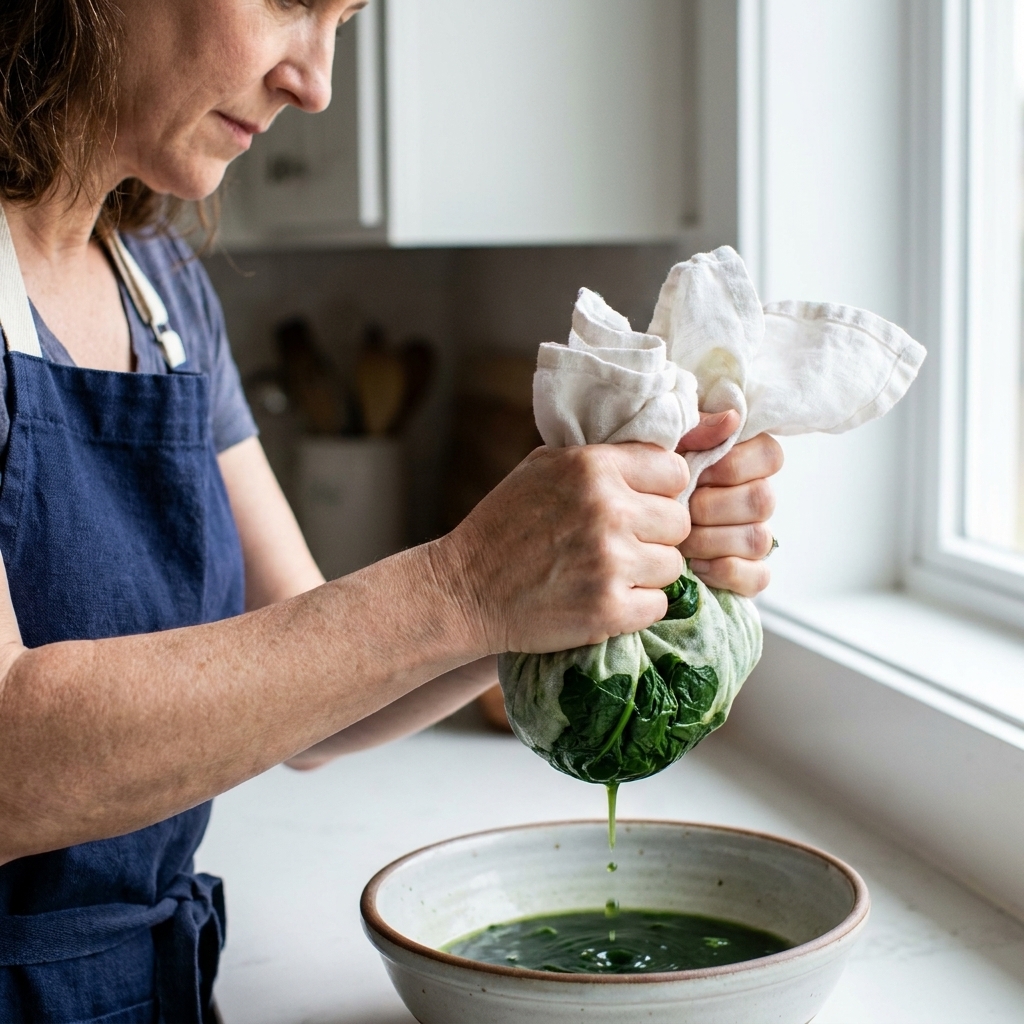
- Spinach: cook, then squeeze dry in a clean towel. This step matters more than any seasoning.
- Zucchini: shred, salt 10 minutes, then squeeze dry before adding.
My potluck rule: if a veggie looks glossy or “juicy” in the bowl, it needs another minute in the skillet or another squeeze in the towel.
3) Thaw and dry frozen ingredients
Frozen hash browns, peppers, and spinach are convenient, but they hide a ton of moisture. Thawing is not enough. You want them thawed and dry.
- For frozen hash browns, thaw in the fridge overnight, then press firmly in a clean towel or paper towels until they feel dry to the touch.
- For frozen spinach, thaw and squeeze until no more water drips out.
- For frozen peppers/onions, sauté briefly to steam off moisture before mixing in.
This is one of those unglamorous steps that makes your casserole slice like a dream instead of slumping.
4) Pre-cook meat and cool it
Breakfast sausage, bacon, and even diced ham can add grease and moisture. Always cook meat first, then drain well. I like to let it cool for 5 to 10 minutes, too, so it does not start melting the cheese into oily pockets before baking.
- Sausage: brown thoroughly, then drain. If it looks shiny, blot with a paper towel.
- Bacon: cook until crisp, then drain and crumble. Limp bacon releases fat and softens the base.
- Ham: if it is very wet, pat it dry before adding.
If your casserole tends to get greasy and soggy at the same time, the culprit is often under-drained sausage.
5) Choose the right base
Most breakfast casseroles have one of three “foundations.” Each behaves differently, and each has its own soggy trap.
Bread-based
- Use day-old bread or lightly toast fresh bread cubes.
- Soft sandwich bread can turn gummy. Heartier bread (French loaf, sourdough) holds up better.
- If you soak overnight, reduce dairy slightly and make sure the bread is not packed too tightly.
Hash brown-based
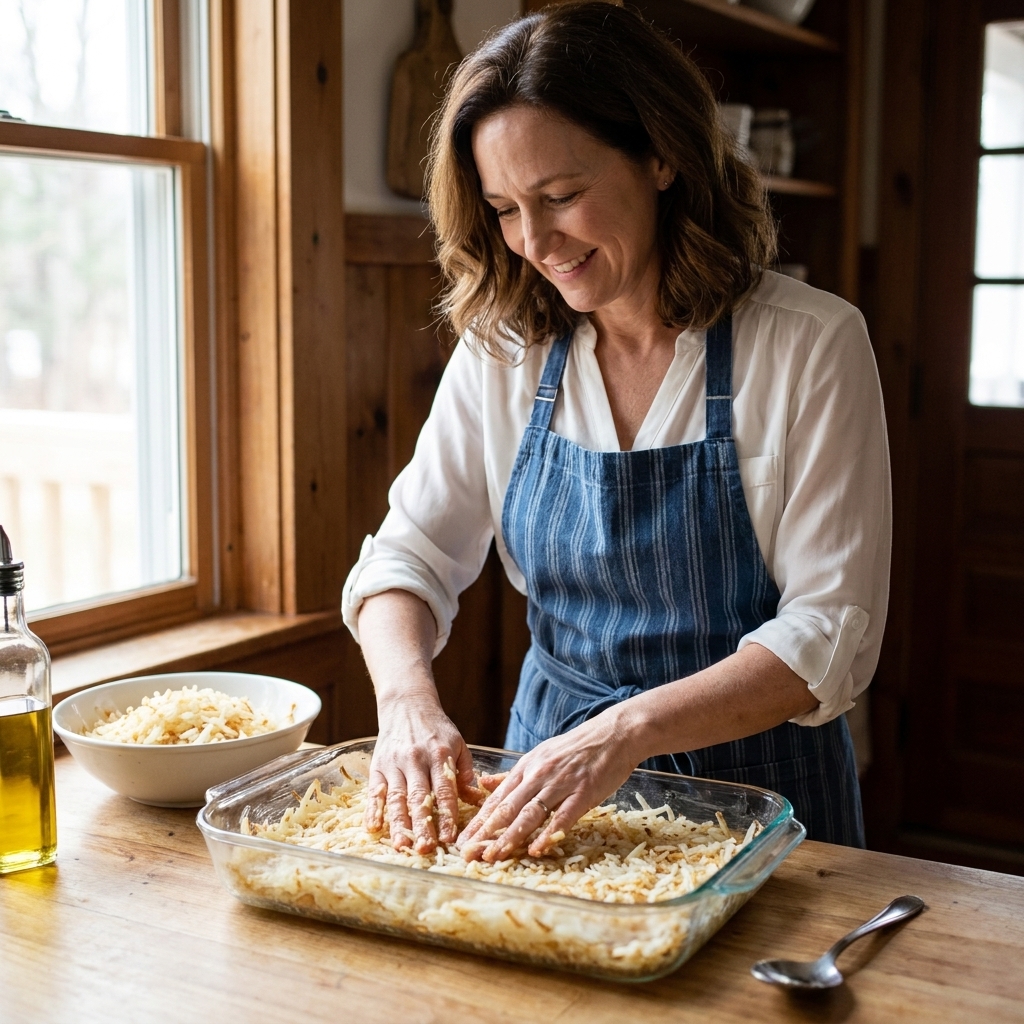
- Dry the potatoes well (see Tip #3).
- For a sturdier bottom, press hash browns into the pan and pre-bake 10 to 15 minutes with a little butter or oil before adding fillings.
Biscuit or crescent dough-based
- Par-bake the dough 5 to 7 minutes if your filling is heavy or veggie-rich.
- Keep layers thin. Thick dough under wet fillings is a classic soggy-bottom situation.
6) Bake to doneness
Oven times are guidelines. Your casserole is done when the center is set, not when the timer beeps. If you are troubleshooting sogginess, it helps to have a baseline: most 9x13 breakfast casseroles bake at 350°F for about 40 to 60 minutes, depending on how full the pan is and how cold the ingredients were.
- Target internal temperature: at least 160°F in the center for safety. Many cooks prefer 165°F for a firmer, cleaner slice, especially with lots of mix-ins.
- The jiggle test: the middle can wobble slightly, but it should not ripple like liquid.
- Color cues: a lightly golden top helps, but a browned top does not guarantee the center is set.
If the top browns too fast, tent loosely with foil and keep baking until the middle catches up.
Pan and oven notes
A deeper dish means a longer bake and a softer-looking center until it fully sets. Glass pans also heat a bit differently than metal. If you switch pans and suddenly get soggy middles, your bake time may need to change.
If you bake with convection, the top often browns faster. Consider lowering the oven to 325°F or tenting with foil earlier, then finishing until the center hits temp.
7) Rest before slicing
I know everyone is hungry. Still, a breakfast casserole needs a short rest so the eggs can finish setting and the moisture can redistribute instead of rushing out the moment you cut it.
- Rest 10 to 15 minutes on the counter.
- If you slice immediately, the custard has not had time to settle, so liquid can seep out and pool, especially near the bottom.
If you want super clean squares for a brunch spread, rest 15 minutes, then cut with a sharp knife and lift with a thin spatula.
Fast fixes if it is already soggy
Sometimes you do everything right and still end up with a casserole that is softer than you wanted. Here is how I rescue it without drama.
- Put it back in: Cover with foil and bake 10 more minutes, then recheck the center temperature.
- Drain carefully: If there is visible liquid pooling, tilt the pan slightly and spoon off the liquid from a corner.
- Crisp individual portions: Reheat slices on a sheet pan at 400°F for 8 to 12 minutes to dry the surface and firm the bottom.
My “no soggy bottoms” swaps
- Use evaporated milk: Swap in evaporated milk for some or all of the milk to get a richer custard that can bake up a little sturdier. Use the same amount.
- Choose low-moisture cheese (shredded cheddar, Monterey Jack, Swiss) instead of fresh mozzarella.
- Skip watery add-ins like fresh tomatoes unless you seed and drain them first.
- Add a stabilizer when needed: 1 to 2 tablespoons flour or cornstarch whisked into the custard can help with very veggie-heavy bakes.
I do not use flour every time, but it is a handy trick when you are loading in spinach, mushrooms, and peppers all at once.
Make-ahead and freezer tips
Overnight in the fridge
If you assemble the night before, cover tightly and refrigerate. Two tips that keep things from getting mushy:
- Keep wet ingredients (cooked veggies, thawed spinach) as dry as possible before mixing in.
- If using bread, pick sturdy cubes or toast them first so they do not dissolve.
Freezing
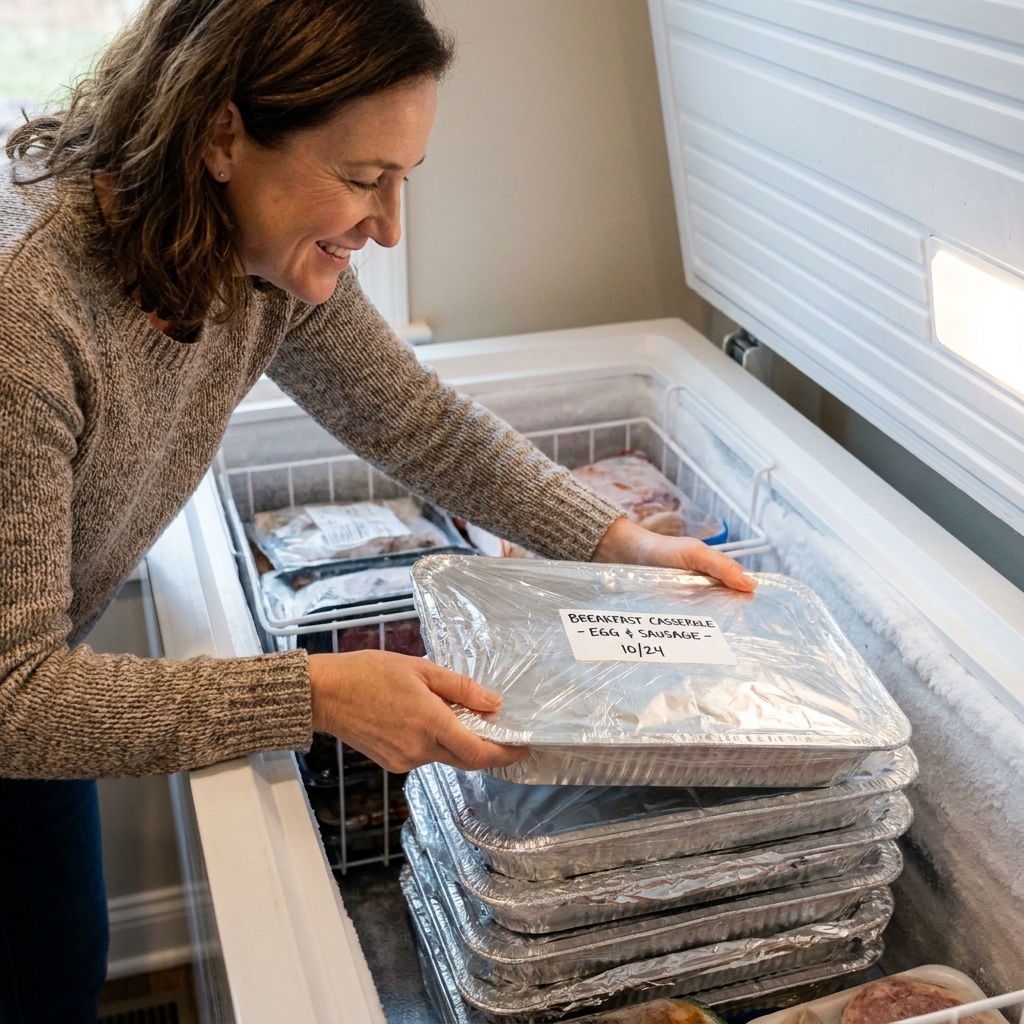
I freeze breakfast casseroles constantly, and texture matters. For best results:
- Freeze after baking and cooling completely. Baked eggs generally reheat more predictably than raw custard that freezes.
- Cool, then wrap tightly in two layers (plastic wrap plus foil) or portion into airtight containers.
- Thaw overnight in the fridge, then reheat covered at 350°F until hot in the center.
And yes, I keep two emergency meals in the freezer at all times. Future-you will be very grateful on a hectic morning.
FAQ
Why is my breakfast casserole watery after baking?
The usual culprits are undercooked or undrained vegetables, too much dairy for the number of eggs, or not baking long enough for the center to reach a safe, set temperature. Slicing too soon can also make liquid seep out and collect at the bottom.
Should I cover a breakfast casserole while baking?
Start uncovered for better browning. Cover loosely with foil only if the top is getting too dark before the center sets.
Can I use heavy cream to prevent sogginess?
Heavy cream makes a richer custard, but it does not automatically fix sogginess. The key is the overall liquid amount and how much moisture your mix-ins bring. If you use cream, you can often use slightly less because it is so rich.
How do I know when the center is done?
A thermometer is the easiest answer: at least 160°F in the center, with many people aiming for 165°F for a firmer slice. Visually, the middle should look set and glossy, not wet, with only a gentle wobble.