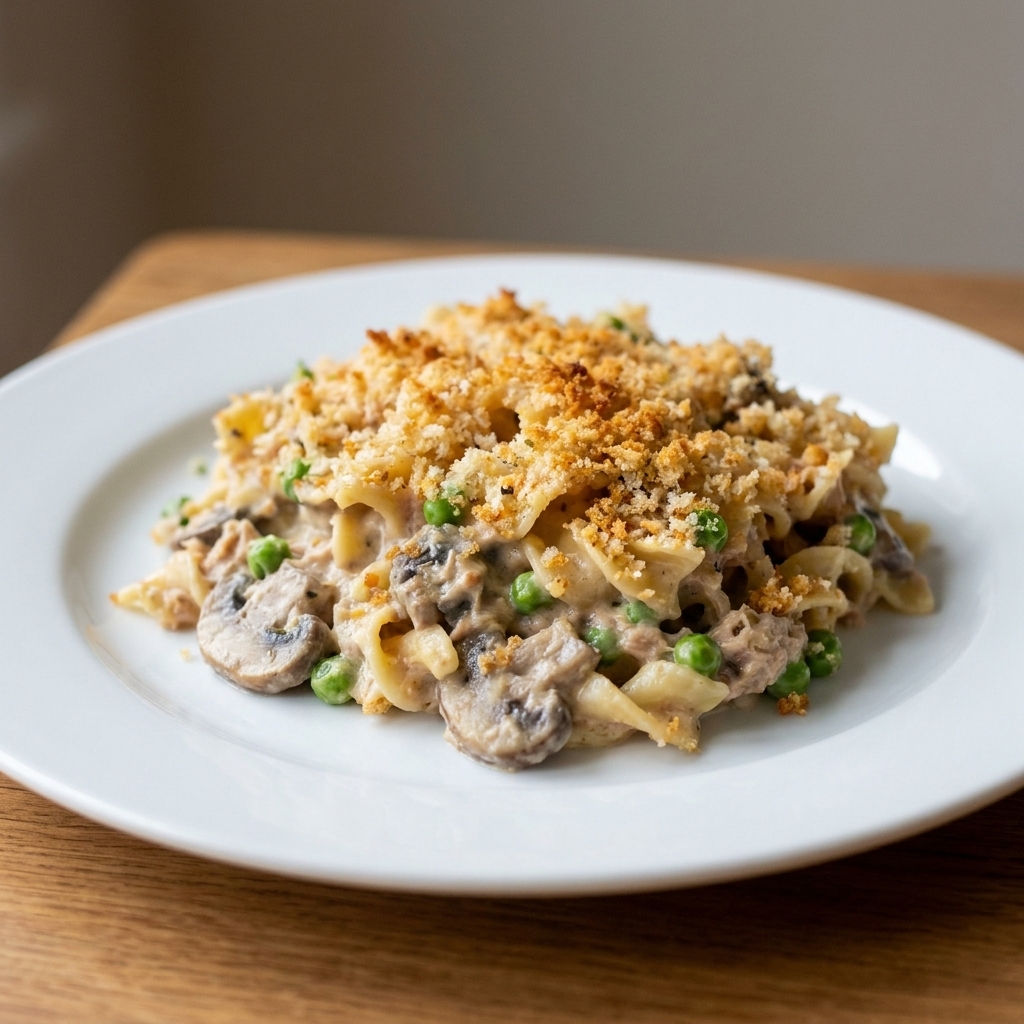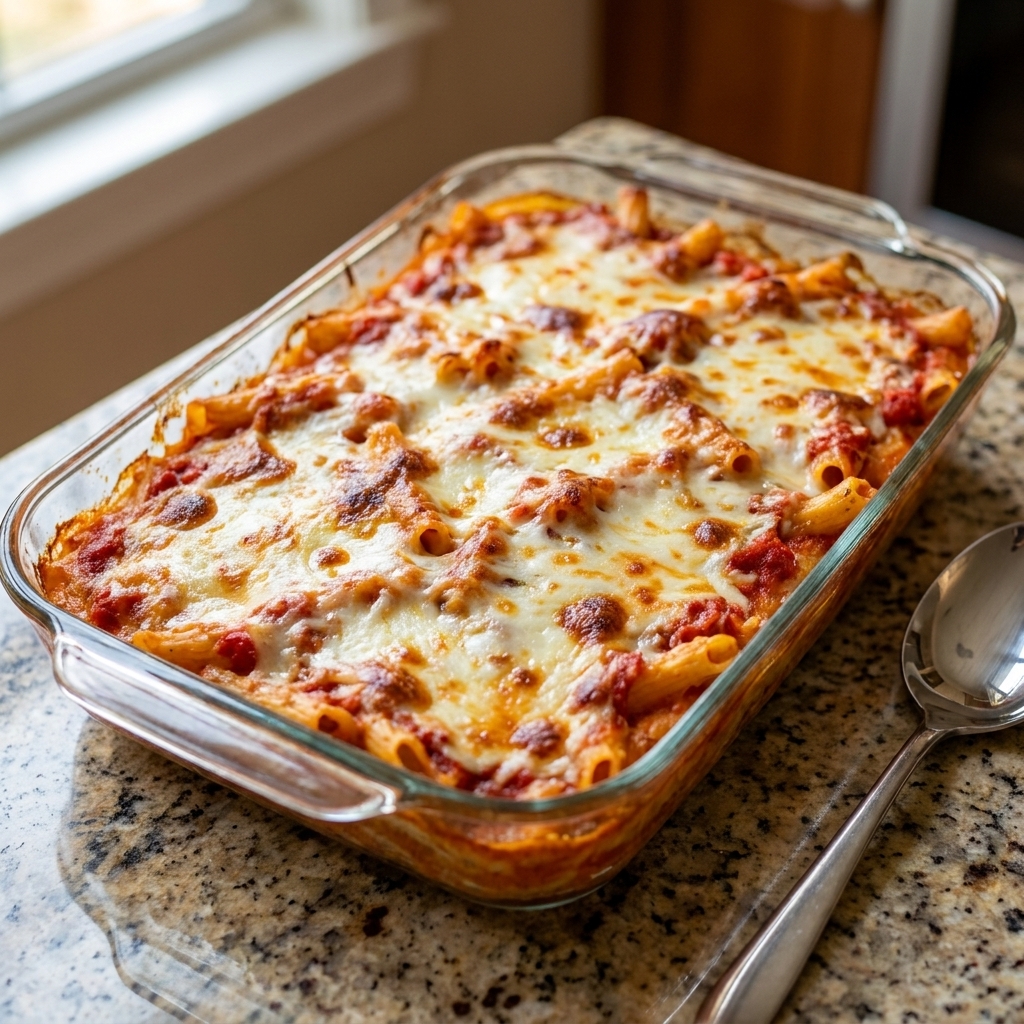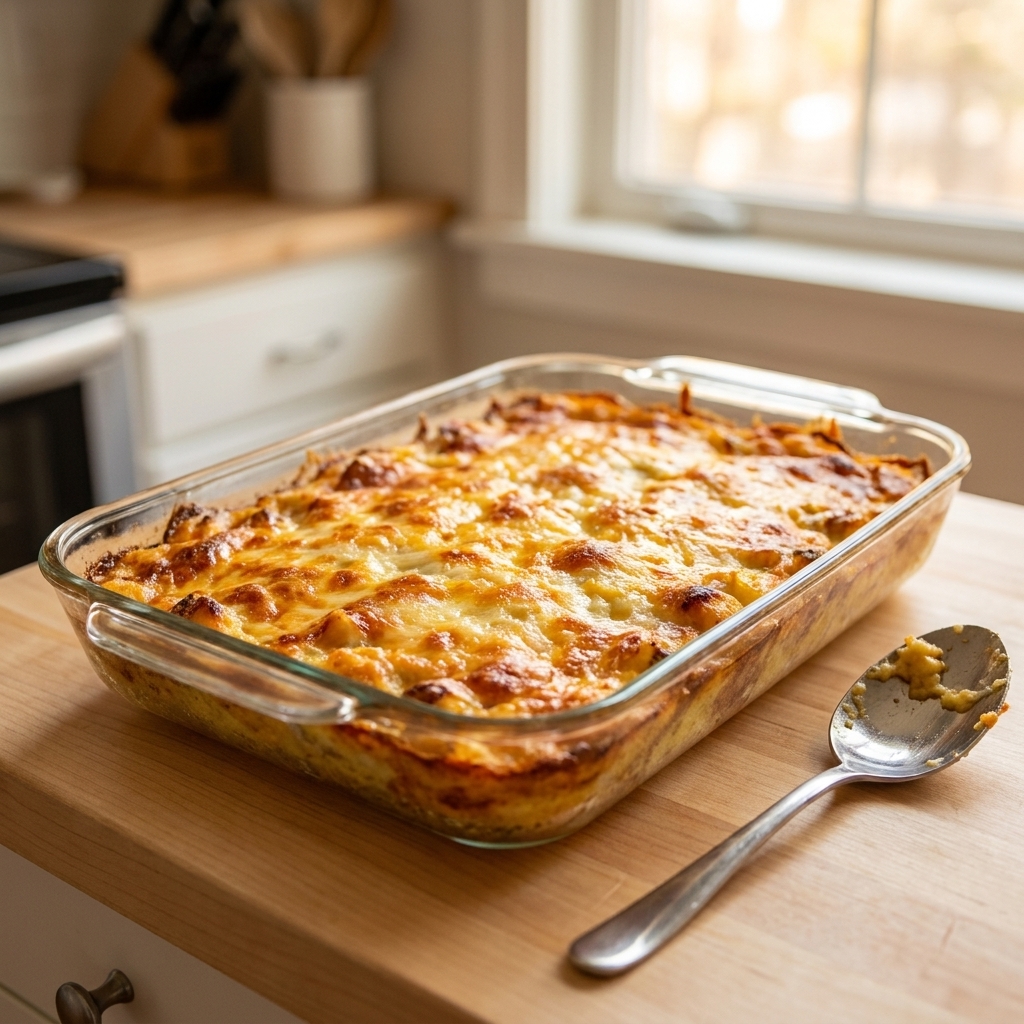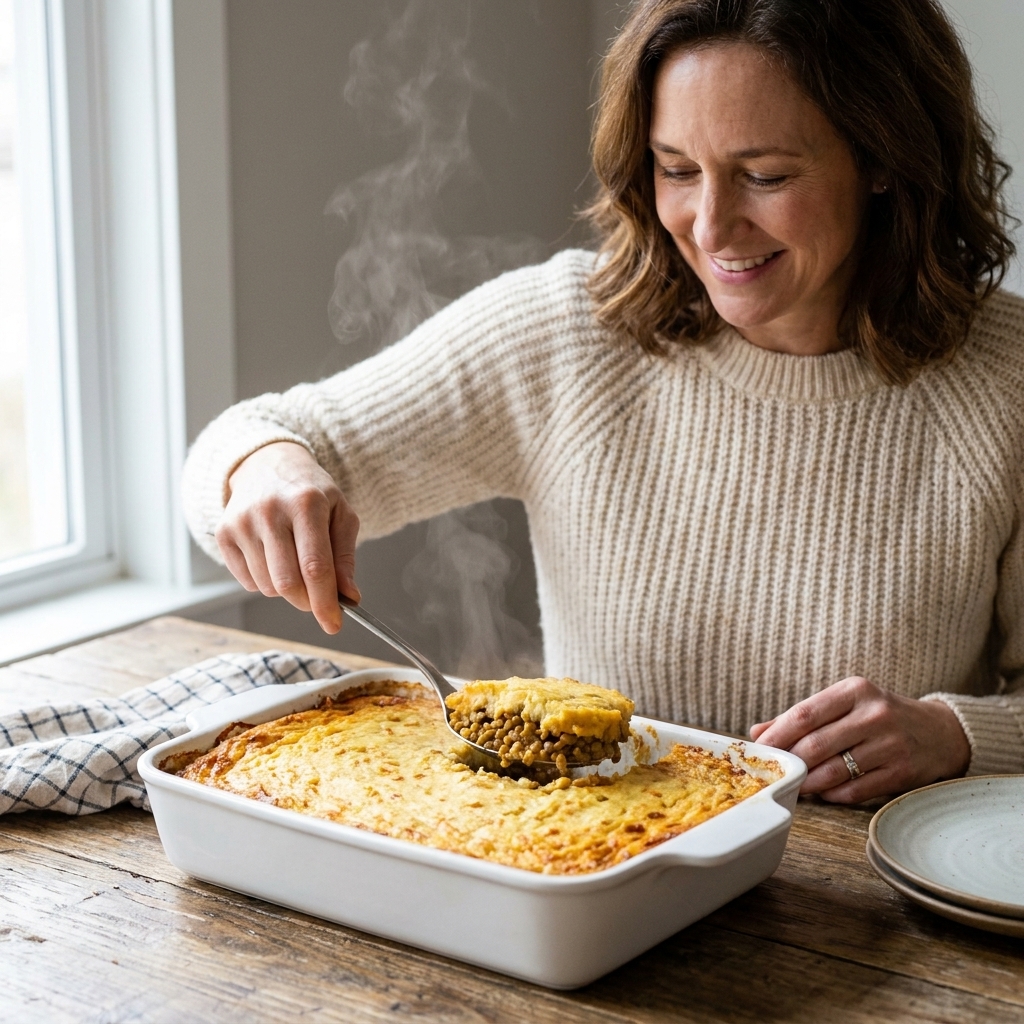

Tuna noodle casserole will always have a place in my heart. It is the dish that shows up when life gets loud, money feels tight, or you just need something bubbling and familiar in a 9x13. But after years of making it for busy weeknights and potlucks, I have learned something: you can keep the cozy retro vibe and make it taste like a modern, fresh-from-the-bistro bake.
Below are my favorite upgrades that make a real difference: better seafood, a brighter sauce, cheeses with personality, and toppings that crunch instead of going soft. Then I will walk you through my go-to gourmet version, plus make-ahead and freezer tips to dodge the dreaded soggy bottom.
Time: 20 minutes prep, 30 minutes cook, 50 minutes total (plus a 10-minute rest). Yield: one 9x13 pan, serves about 8.
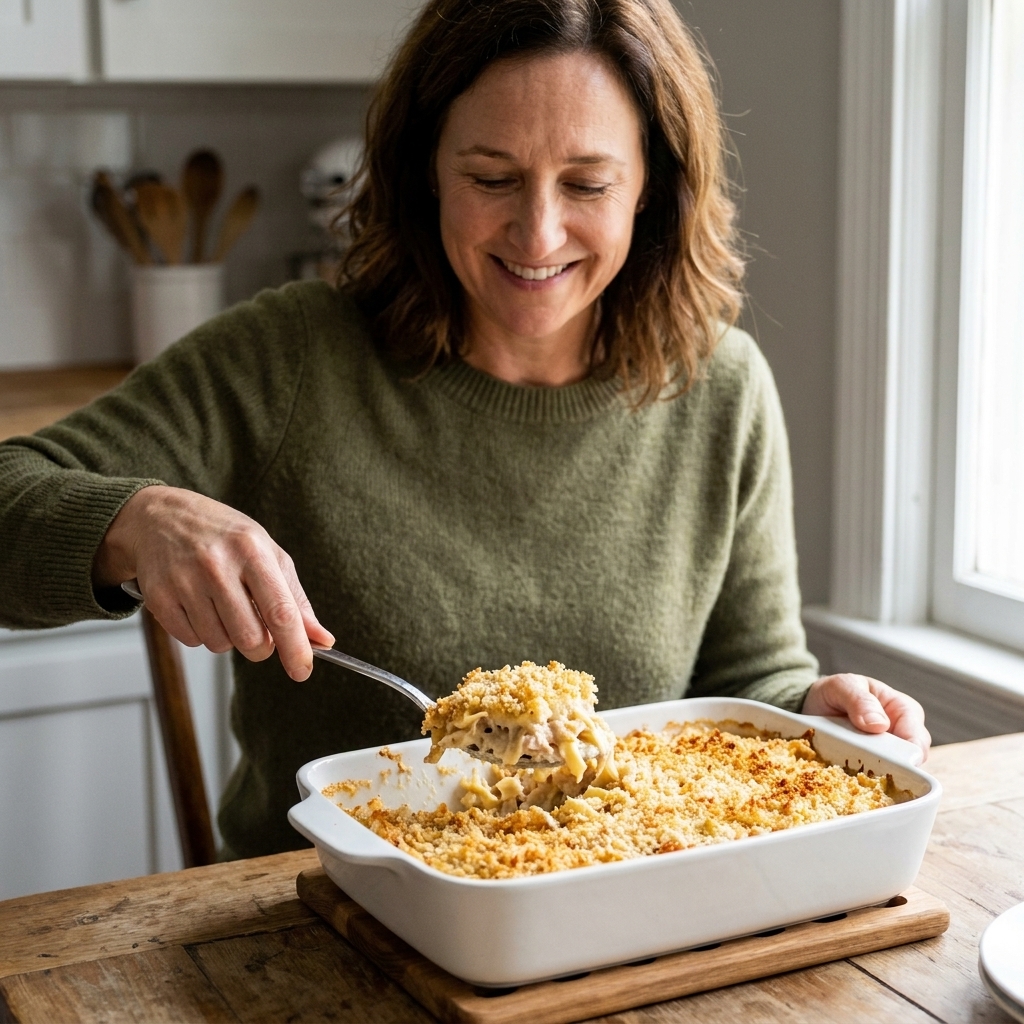
The three upgrades that change everything
1) Start with a fresher base than canned soup
Condensed soup is convenient, but it can taste flat and make the casserole heavy. A quick homemade sauce gives you control over salt, thickness, and that glossy, creamy texture we actually want.
- Use a simple roux (butter + flour) and whisk in milk and broth for a sauce that feels lighter.
- Add aromatics like shallot or onion and garlic, plus a finishing squeeze of lemon to wake everything up.
- Keep it loose before baking. The pasta will drink up sauce in the oven, and an overly thick sauce is how you end up with dry noodles.
2) Upgrade the seafood, even if you still love tuna
You do not have to abandon canned tuna. You just want a better, cleaner flavor and a nicer texture.
- Best canned option: solid albacore in water, well-drained. For richer flavor, use a high-quality tuna packed in olive oil and drain lightly.
- Fresh twist: seared or poached salmon, flaked. It feels fancy but still cozy.
- Shellfish option: small cooked shrimp, chopped into bite-size pieces. Add them at the end of mixing so they do not overcook.
- Flavor booster: 1 to 2 teaspoons of anchovy paste in the sauce. Most people will not notice it, it just reads as savory depth and makes the seafood taste more like itself.
3) Treat the topping like a real component
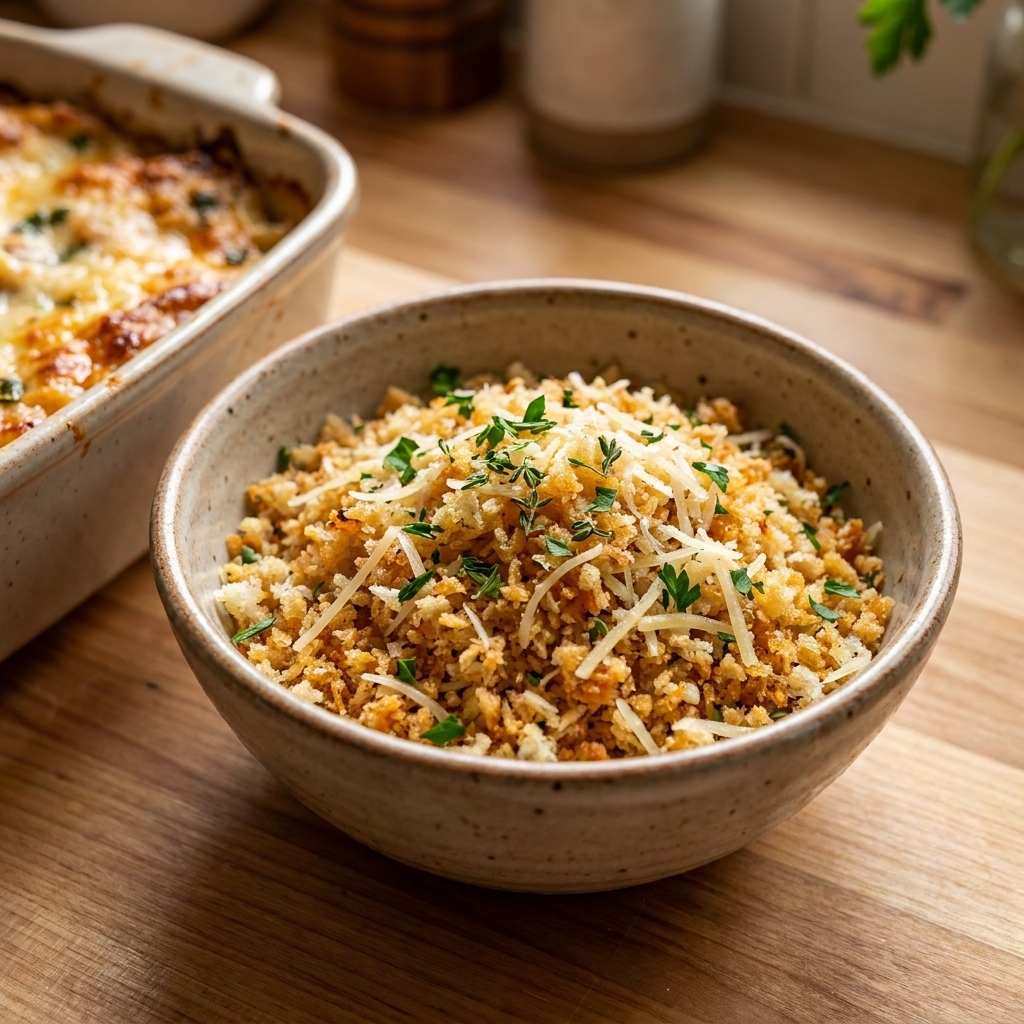
That old-school crushed chip topping has its moments, but if you want crisp that lasts, use a topping with structure and a little fat.
- Panko + butter is my baseline for a reason.
- Add Parmesan for savory crunch and better browning.
- Mix in something punchy like chopped dill, lemon zest, or everything bagel seasoning.
- For extra crunch insurance: toast the crumbs in a skillet for 3 to 4 minutes before sprinkling over the casserole.
My gourmet tuna noodle casserole
This is the version I make when I want “classic,” but I also want people to ask what I did differently. It is creamy, bright, and savory, with a topping that stays crisp.
Pan note: Metal pans brown faster and can finish a few minutes sooner. Glass pans often need a little extra time. Either way, bake until the center is hot and the edges are bubbling.
Easy gourmet twists
Make it seafood-house fancy
- Swap half the tuna for salmon: Use 8 oz cooked salmon, flaked, plus 1 can tuna.
- Add shrimp: Stir in 8 oz small cooked shrimp right before baking.
- More coastal flavor: Replace 1/2 cup broth with clam juice.
Make it extra savory
- Cheese swap: Use smoked gouda in place of cheddar for a subtle smoky note.
- Umami boost: Add 1 tsp Worcestershire or 1 tsp miso (whisked into the hot sauce).
- Greens upgrade: Fold in 2 cups baby spinach at the end. The heat will wilt it.
Crunchy topping ideas
- Buttery Ritz: Crushed crackers + melted butter + Parmesan.
- Everything bagel crumbs: Panko + everything seasoning + lemon zest.
- Potato chip crunch, but elevated: Kettle chips, crushed, mixed with a handful of panko so it stays crisp longer.
Moisture control
If tuna noodle casserole has ever turned out soupy, gummy, or dry, it is almost always one of these culprits.
- Noodles overcooked: They keep cooking in the oven. Pull them early.
- Tuna not drained: Press it gently in the strainer. Extra liquid shows up later as puddles.
- Mushrooms not browned: If you rush them, they dump water into the bake. Let them cook until their liquid evaporates and you see browned edges.
- Sauce too thick before baking: It should be creamy and pourable. If it looks like paste, whisk in a splash of milk or broth.
- No rest time: Ten minutes on the counter gives the sauce a chance to settle into the noodles.
Make-ahead and freezer tips
Make ahead (refrigerator)
Assemble the casserole up to 24 hours ahead, but hold the topping separately. For best texture and food safety, cool any cooked components quickly and refrigerate promptly.
- Cover the assembled casserole tightly and chill.
- Store the crumb topping in a small container or zip bag.
- When ready to bake, sprinkle topping on and bake. Add 5 to 10 minutes since it is starting cold. Bake until the center is hot (165°F if you want to temp it).
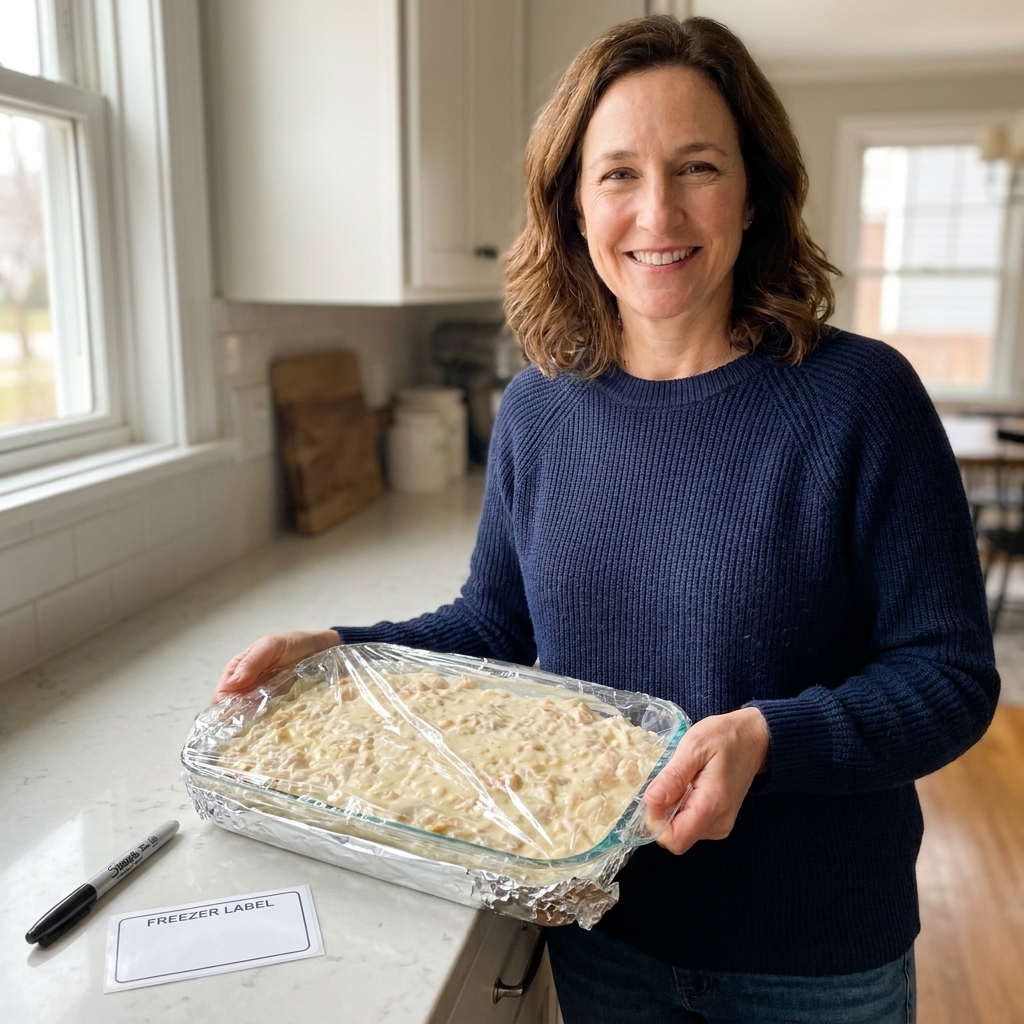
Freeze it without a soggy bottom
Freezer casseroles are my love language, but tuna noodle takes a little strategy.
- Cool everything first: Warm casserole equals condensation equals watery texture later. Chill promptly once it stops steaming.
- Freeze without the topping: Crumb toppings soften in the freezer. Add fresh crumbs right before baking.
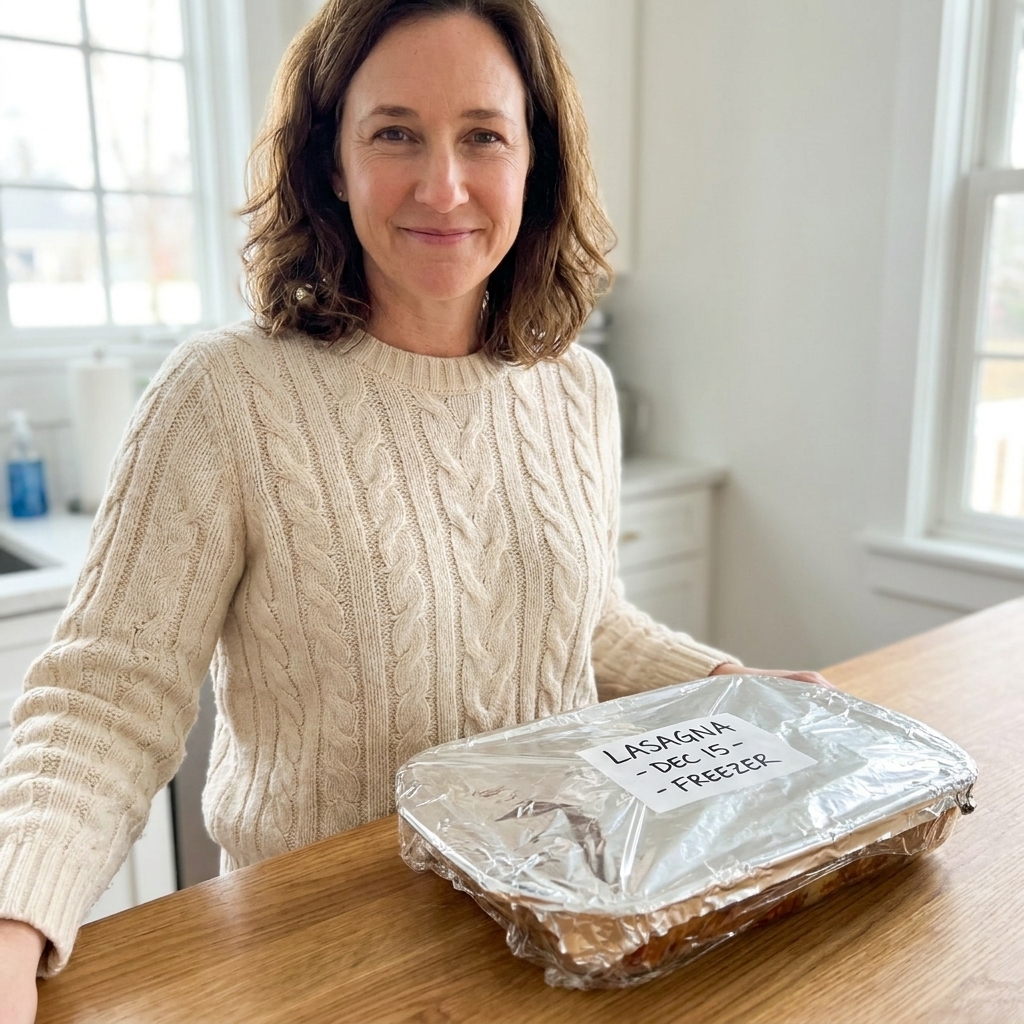
- Wrap like you mean it: Press plastic wrap directly on the surface, then foil. Label with date and baking temp.
- Best freezing window: 2 months for best flavor and texture.
Baking from frozen
- Thaw overnight in the fridge when possible.
- If baking from frozen, cover with foil and bake at 350°F for 60 to 75 minutes, then uncover, add topping, and bake 15 to 20 minutes more. Timing depends on your pan (glass usually runs slower) and how solidly frozen it is, so use cues: bubbling around the edges and a hot center. For certainty, aim for 165°F in the middle.
Serving ideas
- Big green salad: arugula, lemon vinaigrette, shaved Parmesan.
- Roasted veg: broccoli or asparagus with garlic and a squeeze of lemon.
- Something briny: quick pickled cucumbers or capers stirred into a little mayo as a condiment.
FAQ
What is the best tuna for casserole?
Solid albacore is my favorite for clean flavor and big flakes. If you use tuna packed in oil, drain lightly and hold back on added salt until you taste the sauce.
Can I use fresh tuna?
You can, but it is easy to overcook. If you go fresh, sear it quickly, cool, then cube or flake and fold in right before baking.
How do I make it creamy without tasting like flour?
Cook the flour in butter for a full minute before adding liquid, then simmer the sauce at least 3 minutes after it comes to a gentle bubble. That takes care of the raw flour flavor.
Why did my topping get soft?
Usually it is either too much steam (covered too long) or the crumbs were added before chilling or freezing. Add topping right before baking, and uncover for the last part of the bake so it can crisp.
Any easy swaps for milk or gluten?
Dairy: Half-and-half makes it richer. For a lighter option, use 2% milk and add an extra splash of broth if the sauce tightens too much.
Gluten-free: Use gluten-free pasta and a 1:1 gluten-free flour blend for the roux. Gluten-free pasta softens faster, so pull it a little early.
Upgraded Tuna Noodle Casserole
- Prep time
- 20 minutes
- Cook time
- 30 minutes
- Total time
- 50 minutes
- Servings
- about 8
Ingredients
- Pasta: 12 oz wide egg noodles (or gemelli)
- Seafood: 2 (5 to 6 oz) cans solid albacore tuna, drained well
- Veg: 8 oz cremini mushrooms, sliced; 1 cup frozen peas
- Aromatics: 1 small shallot (or 1/2 onion), finely diced; 2 cloves garlic, minced
- Fat: 4 tbsp unsalted butter, divided
- Flour: 1/4 cup all-purpose flour
- Liquid: 2 cups whole milk; 1 cup chicken broth or seafood stock
- Cheese: 1 1/2 cups shredded sharp white cheddar; 1/2 cup grated Gruyere (or fontina); 1/3 cup grated Parmesan, divided
- Brighteners: 1 tbsp Dijon mustard; 2 tsp lemon zest; 1 to 2 tbsp lemon juice
- Herbs: 2 tbsp chopped fresh dill or parsley (optional but wonderful)
- Seasoning: 1 to 1 1/2 tsp kosher salt (to taste), black pepper, pinch of cayenne (optional)
- Topping: 1 1/2 cups panko breadcrumbs; 2 tbsp olive oil or melted butter; 2 tbsp chopped dill or parsley (optional)
Instructions
- Heat the oven: 375°F. Butter a 9x13 baking dish.
- Cook the noodles: Boil in well-salted water until just shy of al dente, about 1 minute less than the package says. Drain and toss with 1 tablespoon butter so they do not clump.
- Sauté the mushrooms: In a large skillet, melt 2 tablespoons butter. Add mushrooms and a pinch of salt. Cook until they release liquid and start to brown, 6 to 8 minutes. Add shallot and cook 2 minutes. Add garlic and cook 30 seconds.
- Cook the flour (roux step): Sprinkle flour over the mushroom mixture and stir constantly for 1 full minute. You are cooking off the raw flour taste before adding liquid.
- Make the sauce: Slowly whisk in milk and broth. Simmer 3 to 5 minutes until thickened enough to coat a spoon, but still creamy and pourable. Turn off heat.
- Melt in cheeses and flavor: Stir in cheddar, Gruyere, and half of the Parmesan. Add Dijon, lemon zest, and a few cracks of pepper. Taste and adjust salt. Finish with 1 tablespoon lemon juice (add a second if you want it brighter).
- Combine: In a large bowl (or right in the pot if it is big), mix noodles, sauce, frozen peas, and tuna. Gently fold so the tuna stays in nice chunks. Stir in herbs if using.
- Top: Scrape into the prepared dish. Mix panko with olive oil or melted butter and the remaining Parmesan. Sprinkle evenly over the top.
- Bake: 20 to 25 minutes, until bubbling at the edges and golden on top. The center should be hot; for certainty, aim for 165°F. Rest 10 minutes before serving so the sauce sets up instead of running.