
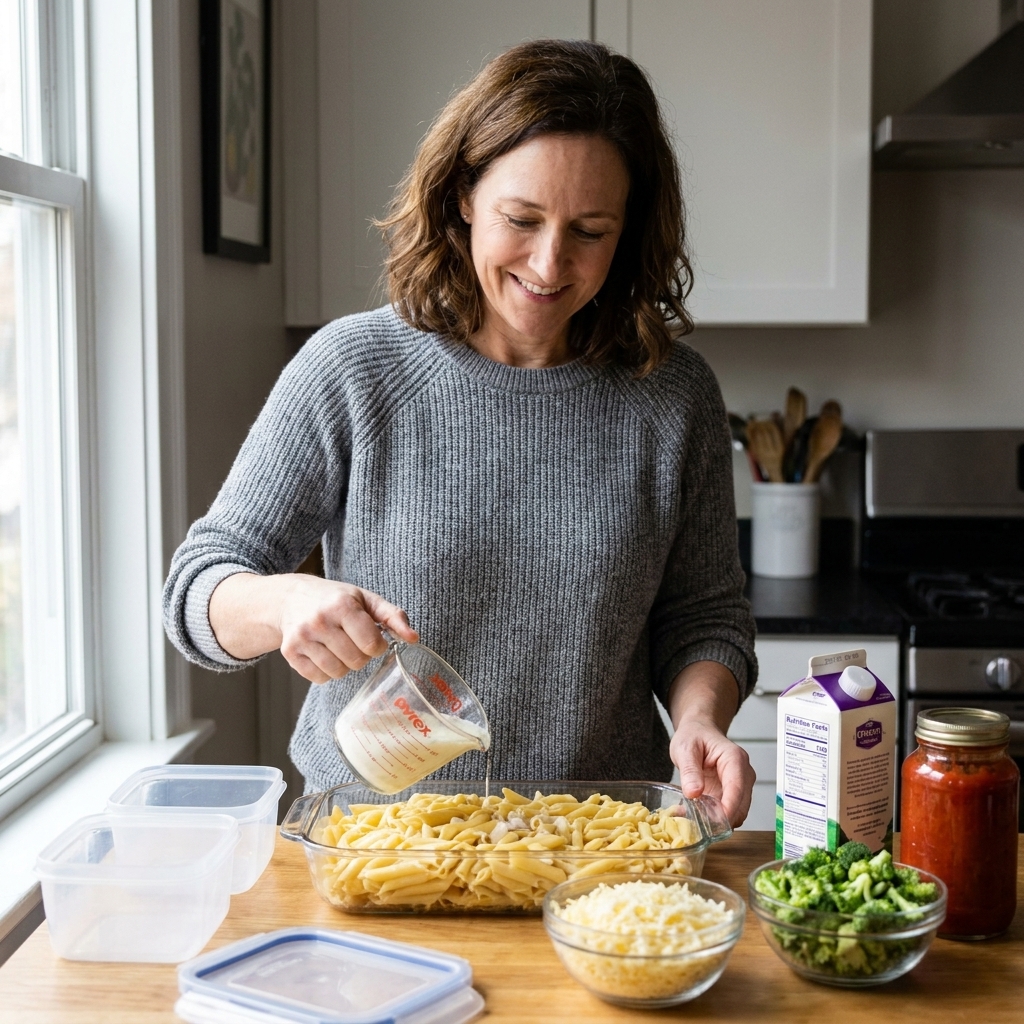
I am all for a freezer casserole that feels like a tiny miracle on a Tuesday. But some ingredients just do not behave after a freeze and thaw. They release moisture, turn grainy, or go limp in a way that can make an otherwise perfect 9x13 casserole taste like cafeteria leftovers.
The good news: you do not have to give up your favorite flavors. You just need to choose ingredients that hold their texture and keep sauces smooth.
Why freezing changes casseroles
Freezing forms ice crystals. Those crystals break cell walls in high-moisture vegetables, which is why thawed zucchini and lettuce collapse into mush. In dairy and sauces, freezing can cause fat and water to separate, which is where you get curdled, grainy, or oily puddles. Starches can also change after freezing and reheating, either soaking up sauce and turning gummy, or drying out and going pasty.
When I test casseroles for the freezer, I am looking for three things: lower-moisture vegetables, stable creamy elements, and starches that reheat without losing their bite.
9 ingredients to skip (and smart swaps)
1) Zucchini (and other summer squash)
What goes wrong: Zucchini is basically a sponge full of water. After freezing, it releases liquid and turns soft, which can flood the bottom of your casserole.
Use instead:
- Roasted mushrooms for that tender bite without the moisture dump.
- Frozen chopped spinach (thawed and squeezed dry) if you want a green-veg boost.
- Broccoli florets (briefly blanched) for structure and a clean reheat.
Tip: If you absolutely must use zucchini, shred it, salt it for 10 minutes, squeeze it bone-dry, and cook it down in a skillet before it goes anywhere near your freezer dish.
2) Fresh tomatoes (especially slices)
What goes wrong: Fresh tomatoes turn mealy and watery when thawed. In a baked pasta or chicken casserole, that extra liquid can break your sauce.
Use instead:
- Canned crushed tomatoes for consistent texture.
- Tomato paste to add big flavor without extra moisture.
- Jarred marinara when you want a dependable base.
Tip: If you want that “fresh tomato” vibe, add fresh diced tomatoes after baking, right before serving.
3) Raw onions (big chunks)
What goes wrong: Raw onion can get sharper and more liquid-heavy after freezing, and bigger pieces can turn a little rubbery depending on the bake.
Use instead:
- Sautéed onion (cool completely) before assembling.
- Caramelized onions for freezer-friendly sweetness.
- Onion powder when you want flavor without texture issues.
Tip: I sauté onions in bulk and freeze them flat in zip-top bags. Then I just snap off what I need for a casserole.
4) Lettuce, tender greens, and fresh herbs (as mix-ins)
What goes wrong: Anything meant to be crisp will collapse after freezing. Basil, parsley, and cilantro can also darken and take on a muted, duller flavor when baked from frozen.
Use instead:
- Hardy greens like kale (lightly cooked) if you truly need greens in the bake.
- Dried herbs in the filling, then finish with fresh herbs after baking.
- Frozen spinach squeezed dry, my weeknight hero.
Tip: Keep a “fresh finish” note on your freezer label: “Add basil and arugula after baking.” It saves so many meals.
5) Sour cream
What goes wrong: Sour cream likes to separate when frozen, especially in casseroles that reheat hot and fast. That is when you get little curds and a watery edge.
Use instead:
- Cream cheese (softened) for creamy stability.
- Full-fat Greek yogurt can work if it is baked into a sturdy sauce, but it is still a bit more delicate than cream cheese.
- Heavy cream + a spoonful of flour or cornstarch in the sauce for a smoother reheat.
Tip: If a recipe is famous for a sour cream topping, freeze the casserole without it. Add sour cream after baking as a cool garnish, or stir it into a warm sauce right before serving.
6) Mayonnaise-based sauces
What goes wrong: Mayo is an emulsion. Freezing can break that emulsion, leaving oil separation and a strange mouthfeel once baked.
Use instead:
- Roux-based sauce (butter + flour + milk) for classic casserole creaminess.
- Evaporated milk for stable creaminess with less chance of splitting.
- Cream cheese blended into broth for a rich, smooth binder.
7) Whipped toppings and soft dairy caps
What goes wrong: Soft whipped toppings deflate and weep. In savory casseroles, that can turn into a watery, foamy layer that bakes unevenly.
Use instead:
- Shredded cheese for the top layer.
- Sturdy béchamel if you need a creamy cap.
- Skip it and finish with cheese and a crisp topping added at the end.
8) Cooked pasta (especially thin noodles)
What goes wrong: Pasta keeps absorbing liquid as it sits. Freeze it, thaw it, bake it, and suddenly those noodles are either mushy, or they stole all the sauce and went dry.
Use instead:
- Par-cooked pasta (undercook by 2 to 3 minutes), then cool and assemble.
- Sturdier shapes like penne, ziti, rigatoni, or shells instead of spaghetti or thin egg noodles.
- Cooked rice or quinoa when you want a starch that holds up well.
Tip: If you are freezing lasagna or baked ziti, make your sauce a little looser than usual. Pasta will thicken it as it reheats.
9) Crunchy toppings added before freezing
What goes wrong: Crunch turns to sog. Freezer moisture and steam during reheating destroy any crisp topping you added too early.
Use instead:
- Freeze without the topping, then add it for the final 10 to 15 minutes of baking.
- Cheese-only top for freezing, then finish with buttered panko later.
- Toasted breadcrumbs stored separately in a jar or baggie, ready to sprinkle.
Tip: I tape a small bag of topping right to the foil lid of the casserole (or nestle it in the freezer bag) so it does not get lost behind the frozen waffles.
Freezer-friendly building blocks
- Veggies: broccoli, cauliflower, peas, corn, bell peppers, mushrooms (cooked), spinach (thawed and squeezed dry)
- Creamy binders: roux-based sauces, evaporated milk, cream cheese, shredded cheese
- Proteins: cooked shredded chicken, browned ground beef or turkey (drained well), ham, sausage
- Starches: par-cooked pasta, cooked rice, potatoes that are cooked and cooled (see FAQ)
Freezer casserole checklist
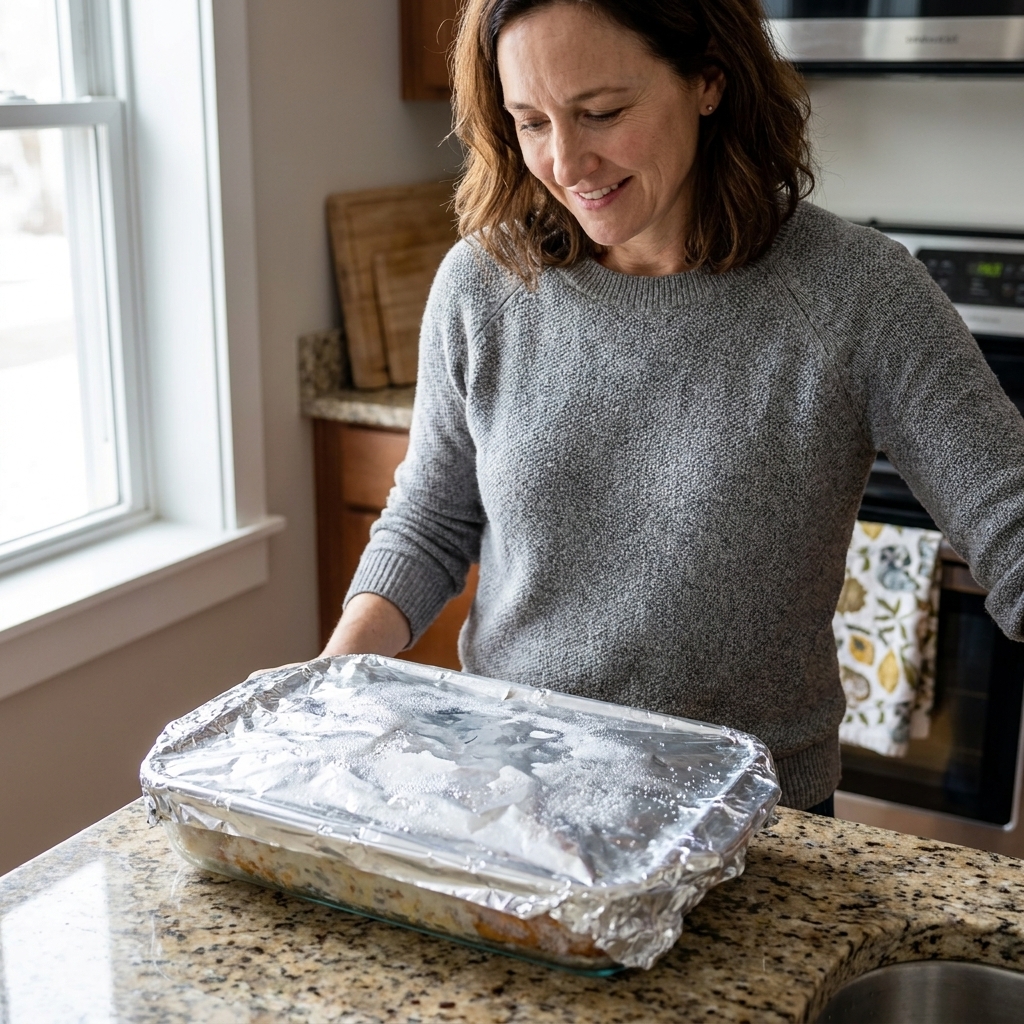
- Cool everything first. Warm casseroles create condensation, and that condensation becomes ice.
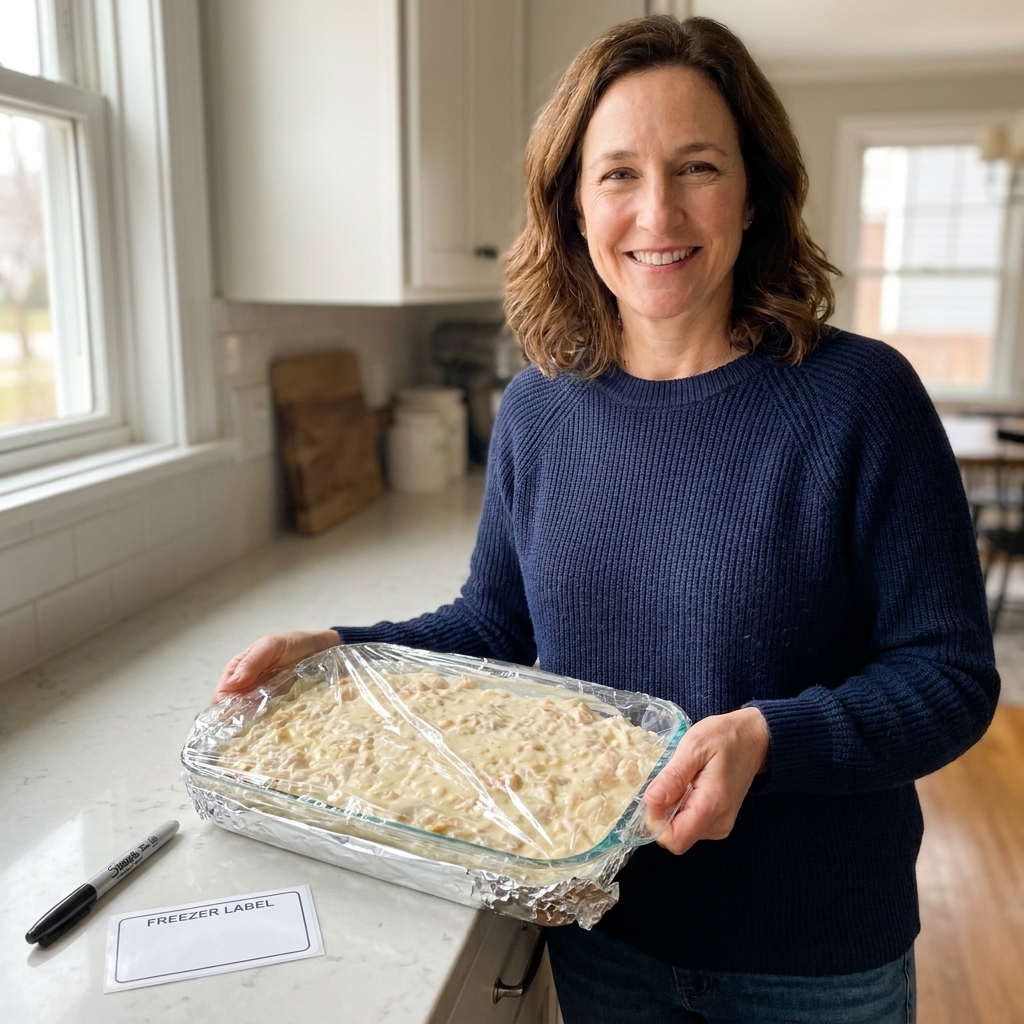
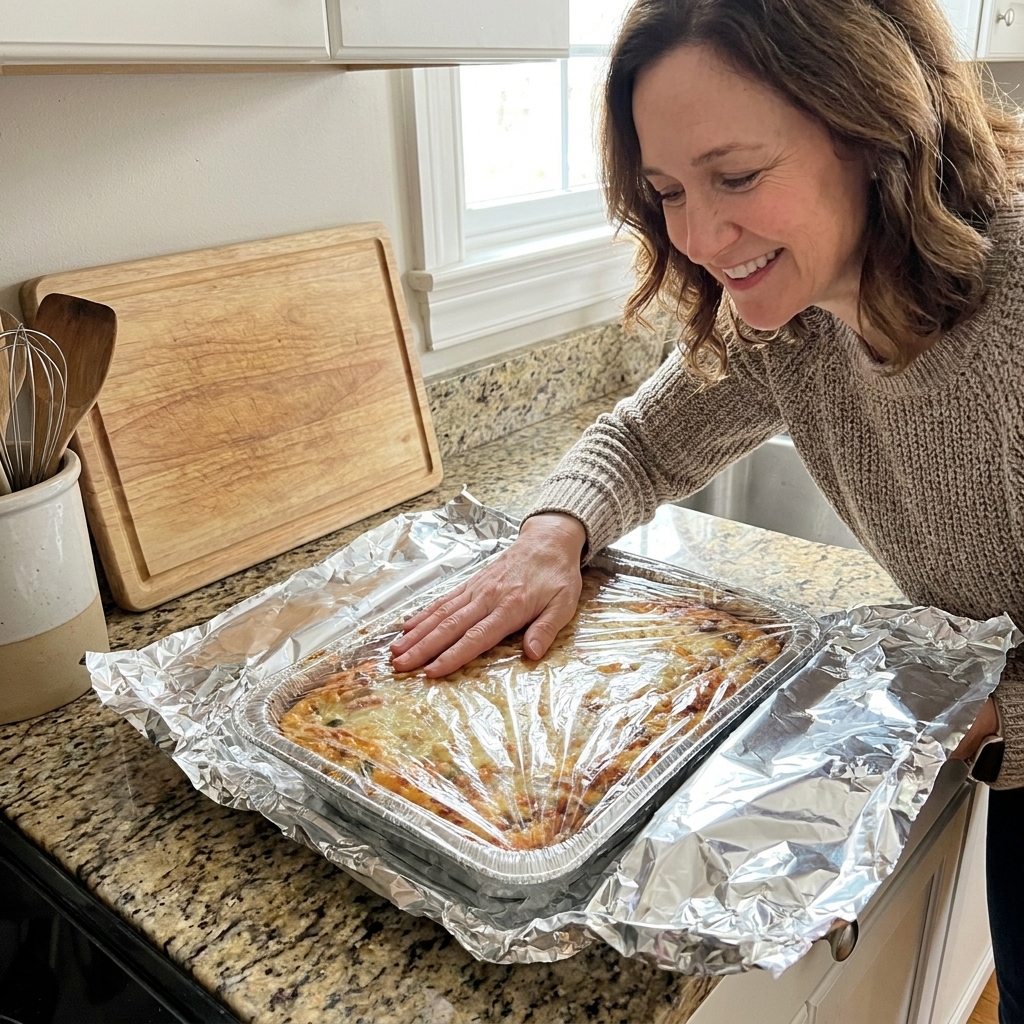
- Protect the surface. Press parchment or plastic wrap directly on the top (then foil) to reduce freezer burn, especially for creamy casseroles.
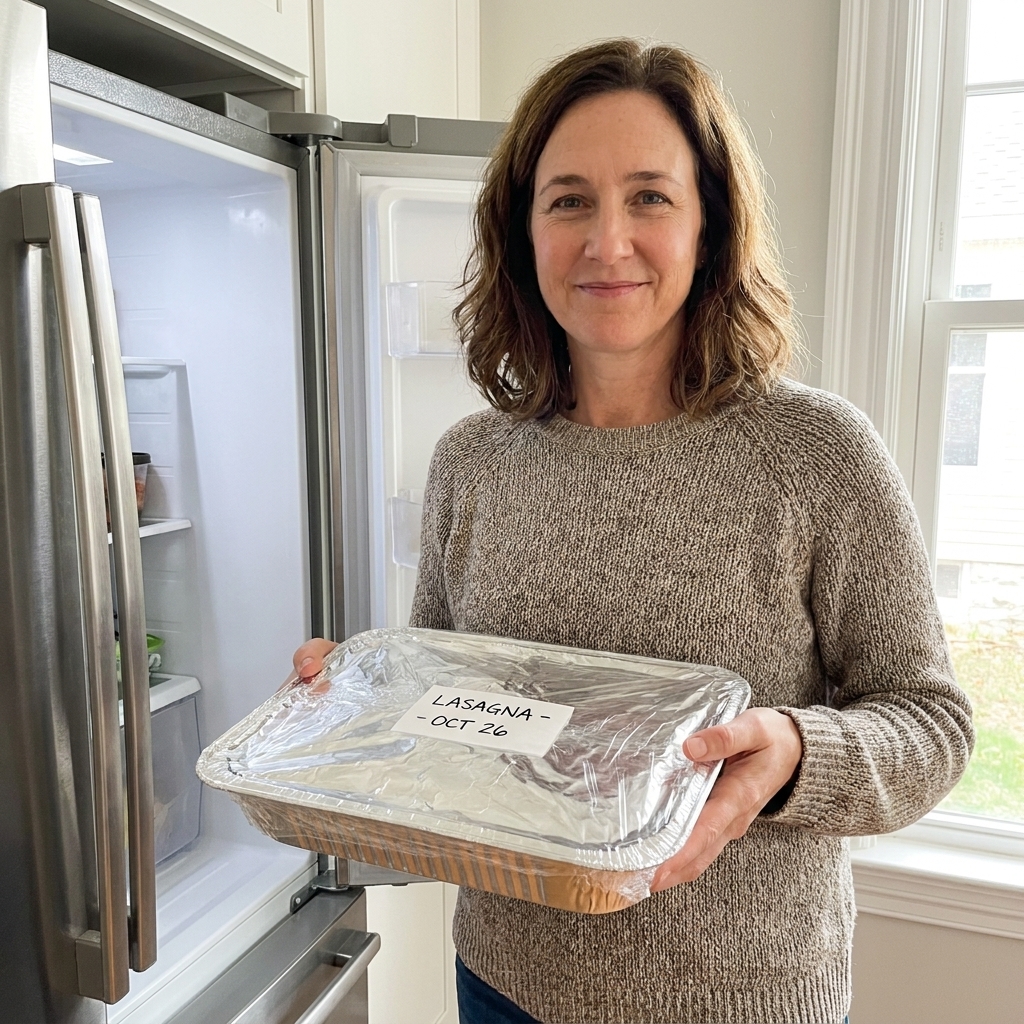
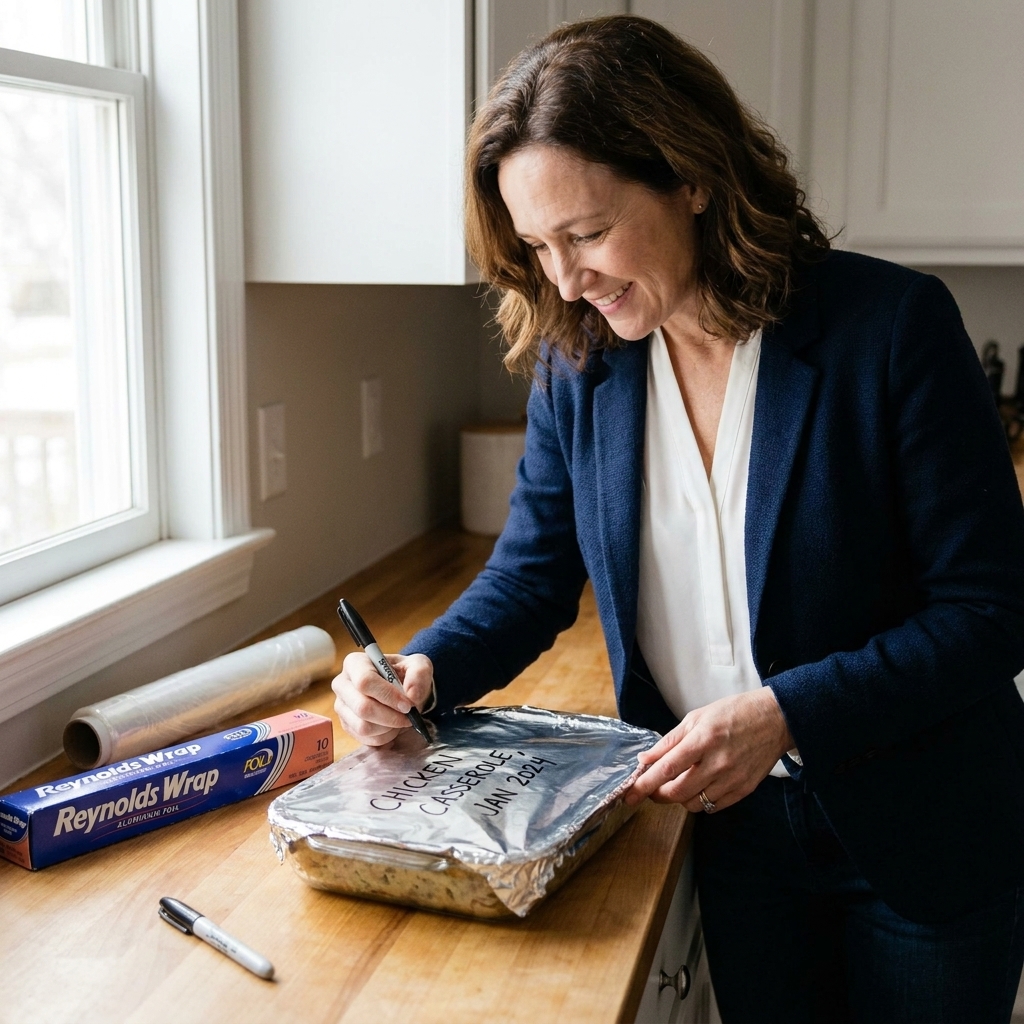
- Label like your future self is tired. Write the name, date, bake temp, and whether it goes in frozen or thawed.
- Freeze flat and fast. The quicker it freezes, the better the texture.
- Plan for the topping. Add crunchy toppings at the end, always.
Storage and safety notes
- Best quality window: Most casseroles eat best within 2 to 3 months in the freezer.
- Thaw safely: Thaw overnight in the fridge, not on the counter.
- Glass dish caution: If your casserole is frozen solid in glass, thaw it in the fridge before baking to reduce the risk of thermal shock. For straight-from-freezer baking, a metal or foil pan is the safer bet.
FAQ
Can I freeze a casserole with potatoes?
Yes, but texture depends on the type and the prep. Waxy potatoes (like Yukon Gold or red potatoes) usually reheat better. Russets can become mealy or grainy in some casseroles, especially if they are overcooked before freezing. Cook potatoes first, let them cool, and make sure your sauce has enough moisture to carry the reheat.
Do eggs freeze well in breakfast casseroles?
They can. Egg-based bakes freeze best when they are not overloaded with high-moisture vegetables. Use cooked meats, sautéed veggies, and a dairy that does not split easily. For the most tender result, thaw in the fridge when possible, then bake.
Should I thaw freezer casseroles before baking?
If you can, yes. Thaw overnight in the fridge for more even baking and a better sauce texture. If you must bake from frozen, cover tightly with foil, add extra time, and uncover at the end to brown.
What is the quickest fix for a watery thawed casserole?
Uncover it for the last 15 to 20 minutes of baking to let steam escape. If the sauce is still thin, a light sprinkle of cheese can help tighten the top while it finishes.