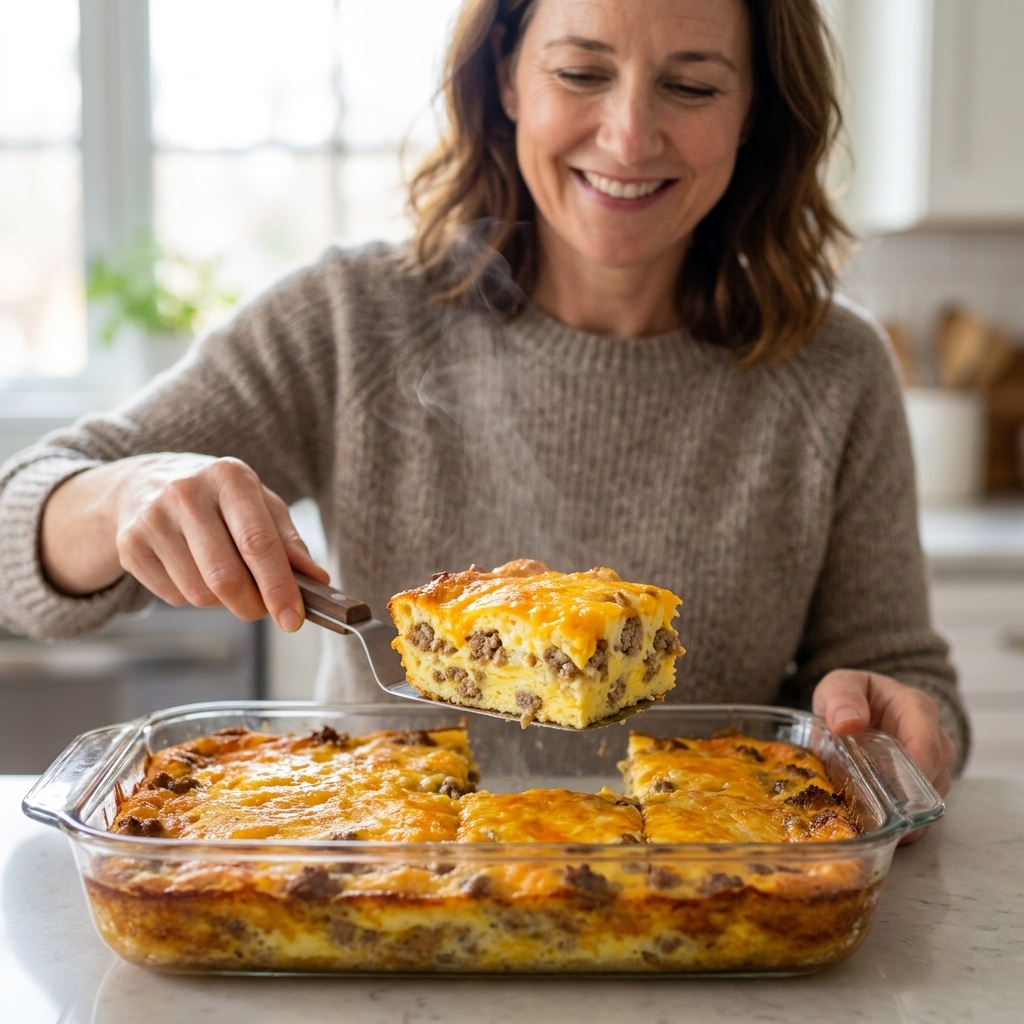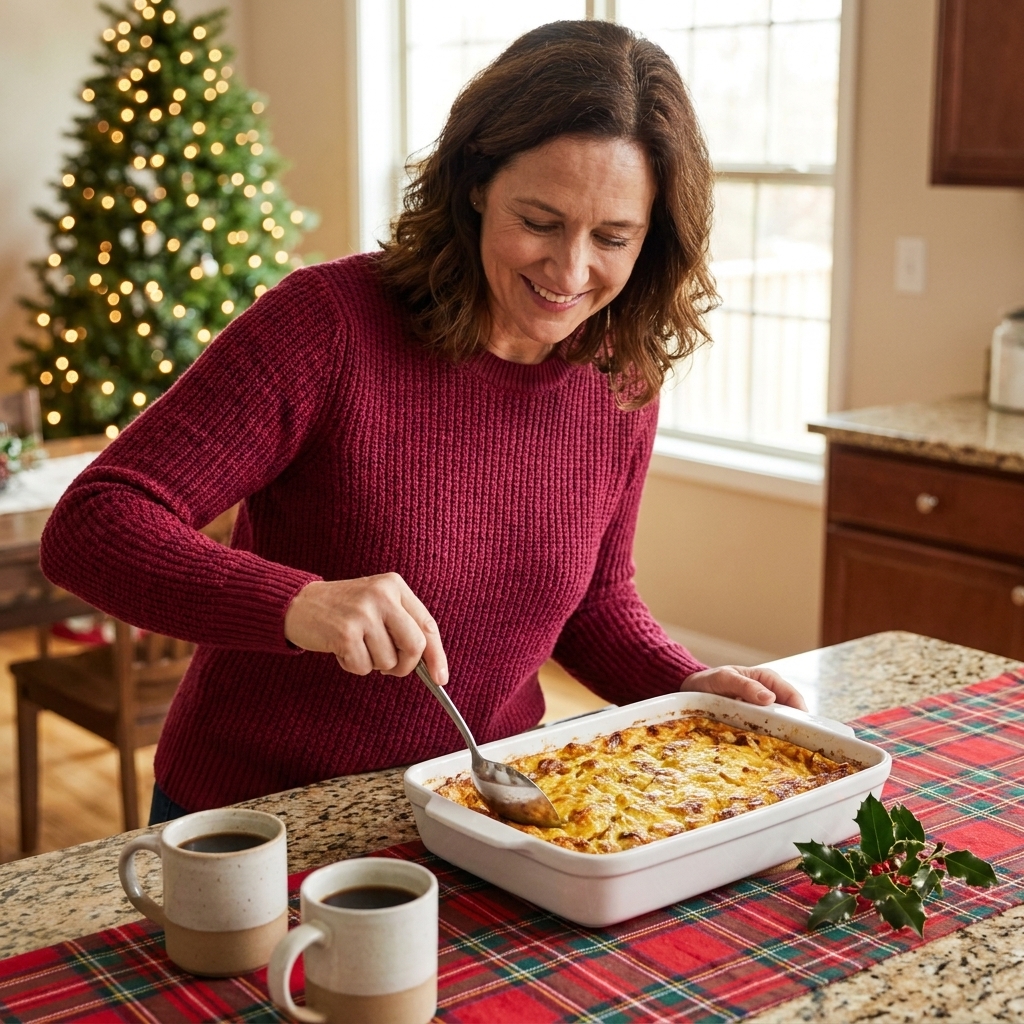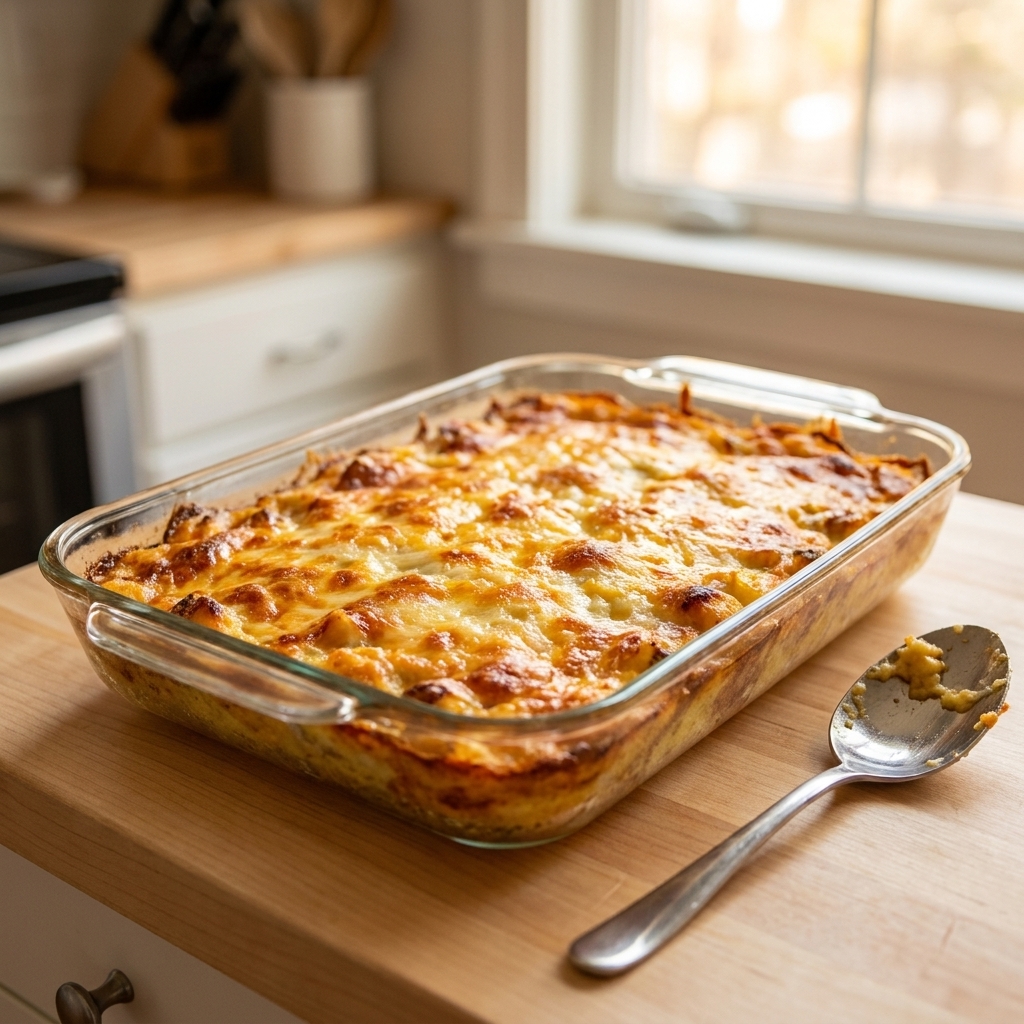

In my house, French toast casserole is what I make when I want the “Sunday brunch” feeling without standing at the stove flipping slices while three kids ask for syrup at the same time. The bread you choose does most of the work for you. It decides whether your casserole bakes up pillow-soft and custardy, or chewy, dry, or the dreaded soggy-bottom situation.
Let’s break down brioche, challah, and sourdough like a home cook who has learned a few things the hard way: crust, crumb, and how each one drinks up that sweet egg custard.
What bread does here
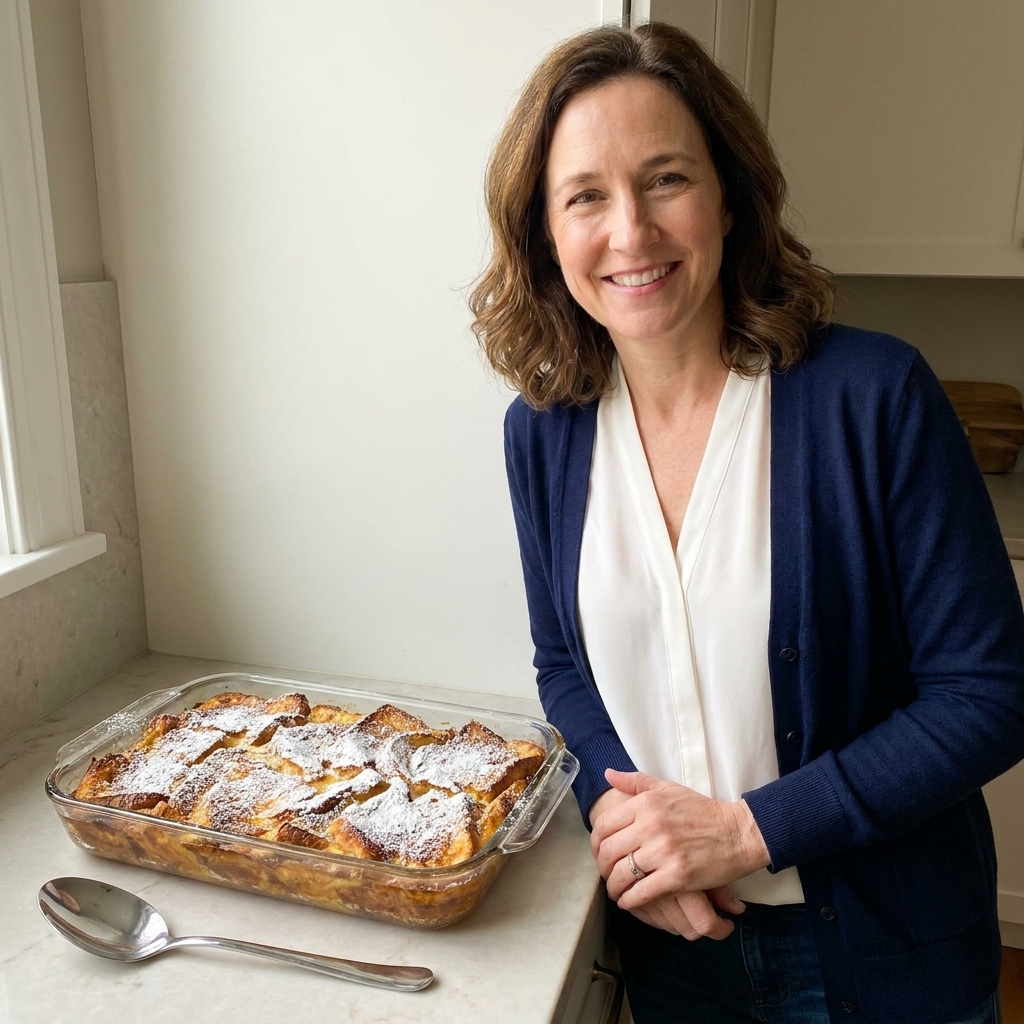
A French toast casserole is basically bread pudding’s brunchy cousin. You pour custard over bread cubes, let it soak, then bake until the center sets. (Unless a recipe says otherwise, I aim for 1 to 1 1/2-inch cubes for the best balance of soft centers and defined edges.)
Here’s what matters most:
- Crust: More crust can mean sturdier pieces and better structure. Too thick and it can stay chewy.
- Crumb: An airy, tender crumb soaks quickly. A tighter crumb needs more time and may bake denser.
- Moisture: Fresh bread plus lots of custard can equal gummy pockets. Slightly dry bread soaks more evenly.
- Fat and sugar in the loaf: Rich breads brown faster and taste more dessert-like.
One simple rule I follow: the softer and richer the bread, the faster it soaks and the more easily it can turn overly soft. The sturdier the bread, the more soak time it needs, but the better it holds its shape.
Brioche: rich and bakery-style
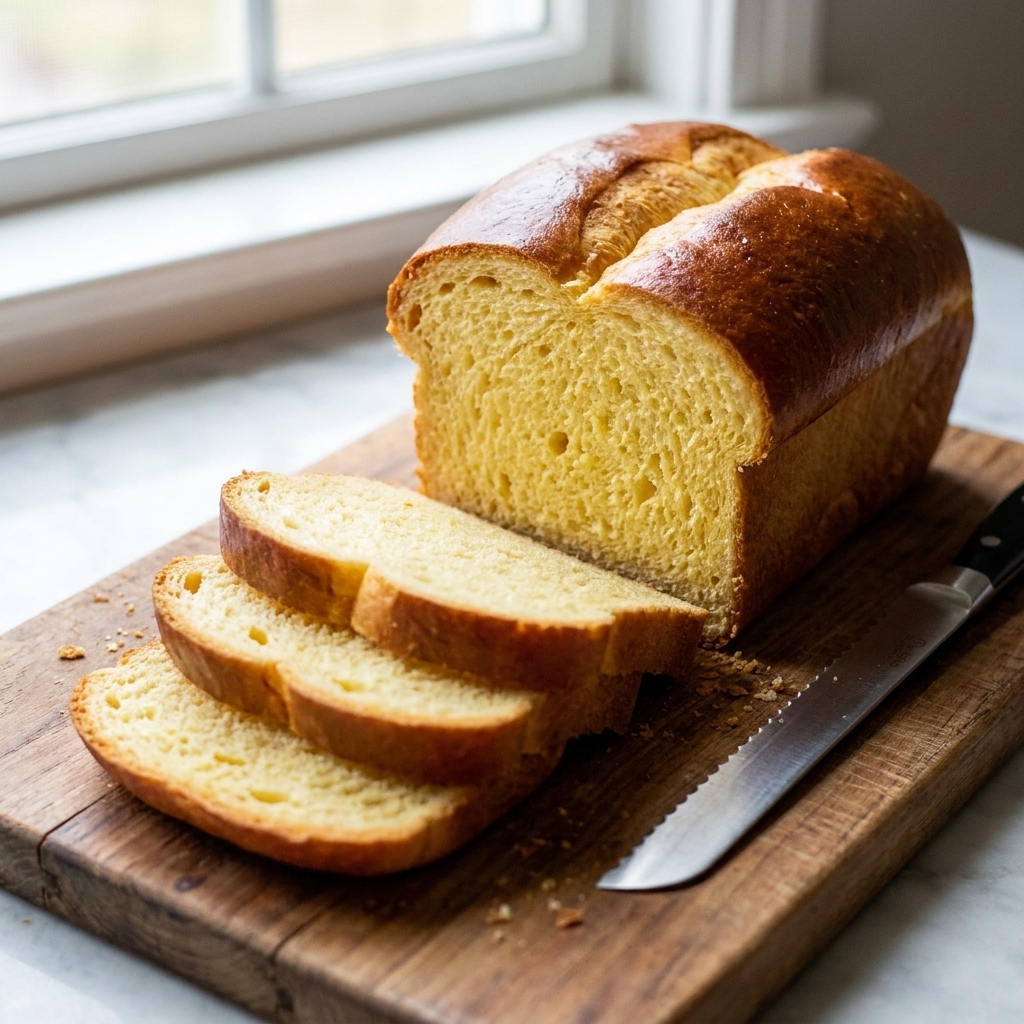
Brioche is my pick when you want a French toast casserole that feels like it came from a fancy brunch place. It’s buttery, slightly sweet, and it bakes up plush and custardy.
How brioche behaves
- Crust: Thin and tender, not much chew.
- Crumb: Very soft and airy, so it absorbs custard fast.
- Moisture absorption: High and quick. Great for a creamy interior, risky if your custard is very wet.
- Flavor: Rich, buttery, naturally sweet.
Best for
- Classic cinnamon-vanilla casseroles
- Berry cream cheese styles
- Anything with caramel, brown sugar, or a praline topping
My brioche tips (so it doesn’t go too soft)
- Dry it out first: Cube it and leave it uncovered on the counter for a couple hours, or toast on a sheet pan at 300°F for 10 to 15 minutes.
- Start on the lower end of liquid: If a recipe gives a range, begin with the lower amount. If it doesn’t, you can hold back about 1/4 cup of milk at first, then add it only if the mixture looks very thick.
- Shorter soak is fine: 30 minutes can be enough, especially if the bread is fresh and very soft. Overnight works best when the bread is dried first.
- Watch browning: Brioche browns quickly. If the top is getting dark before the center is set, lay foil over the pan.
Challah: reliable and crowd-friendly
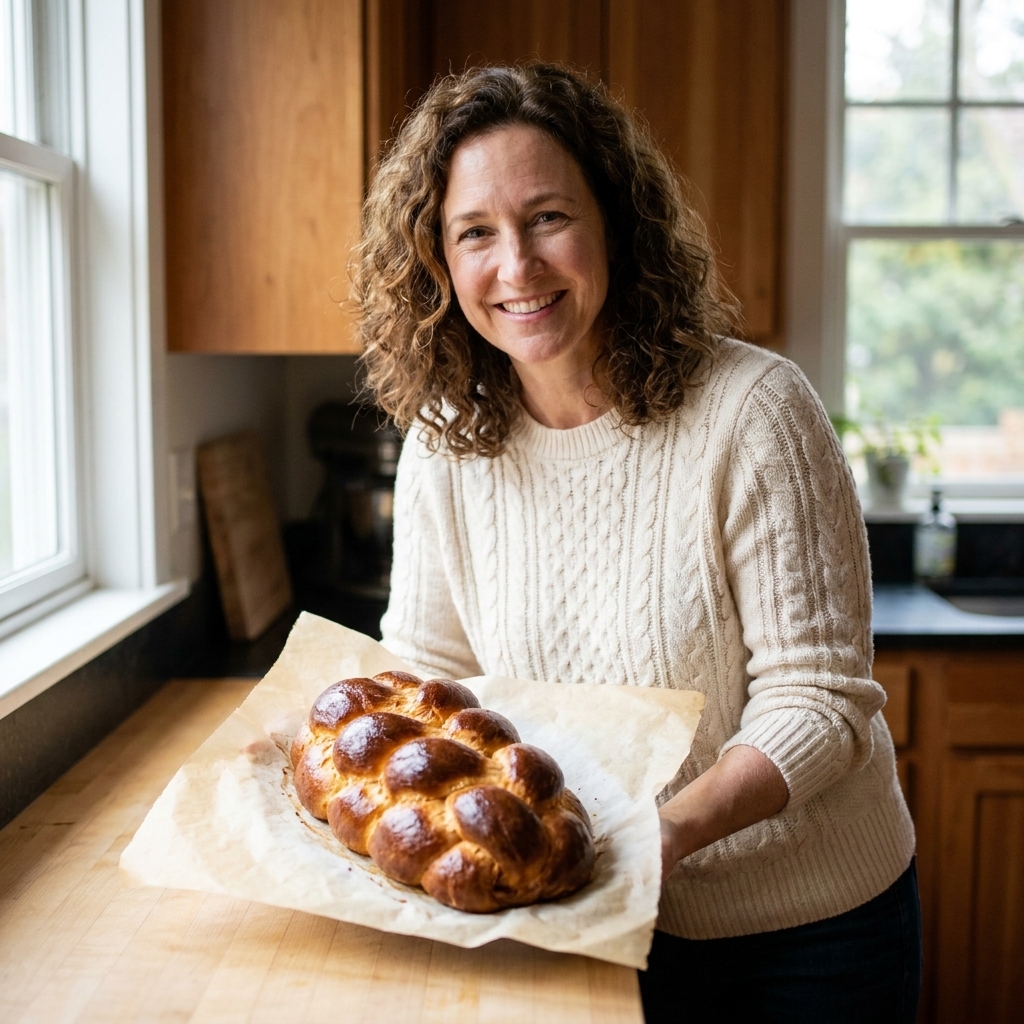
Challah is the bread I reach for when I’m cooking for a crowd and I want a casserole that slices neatly, reheats well, and still tastes rich. It’s eggy and tender, but usually a touch sturdier than brioche.
How challah behaves
- Crust: Soft to medium, a bit more structure than brioche.
- Crumb: Tight enough to hold together, still tender.
- Moisture absorption: High, but a little slower and more even than brioche.
- Flavor: Egg-rich, mild sweetness, not as buttery as brioche.
Best for
- Overnight French toast casseroles (especially for holidays)
- Apple-cinnamon, pumpkin spice, or pecan styles
- Any casserole you plan to slice cleanly for a buffet line
My challah tips
- Overnight soak is your friend: Challah loves time. It absorbs custard deeply without dissolving.
- Cut bigger cubes: 1 to 1 1/2-inch cubes give you those dreamy custardy middles with defined edges.
- Cover, then uncover: If you refrigerate overnight, cover tightly. When baking, uncover for the last 10 to 15 minutes for a prettier top.
- Foil as needed: Challah browns nicely, but if you use extra sugar on top, foil helps prevent over-browning while the middle finishes.
Sourdough: sturdy and less sweet
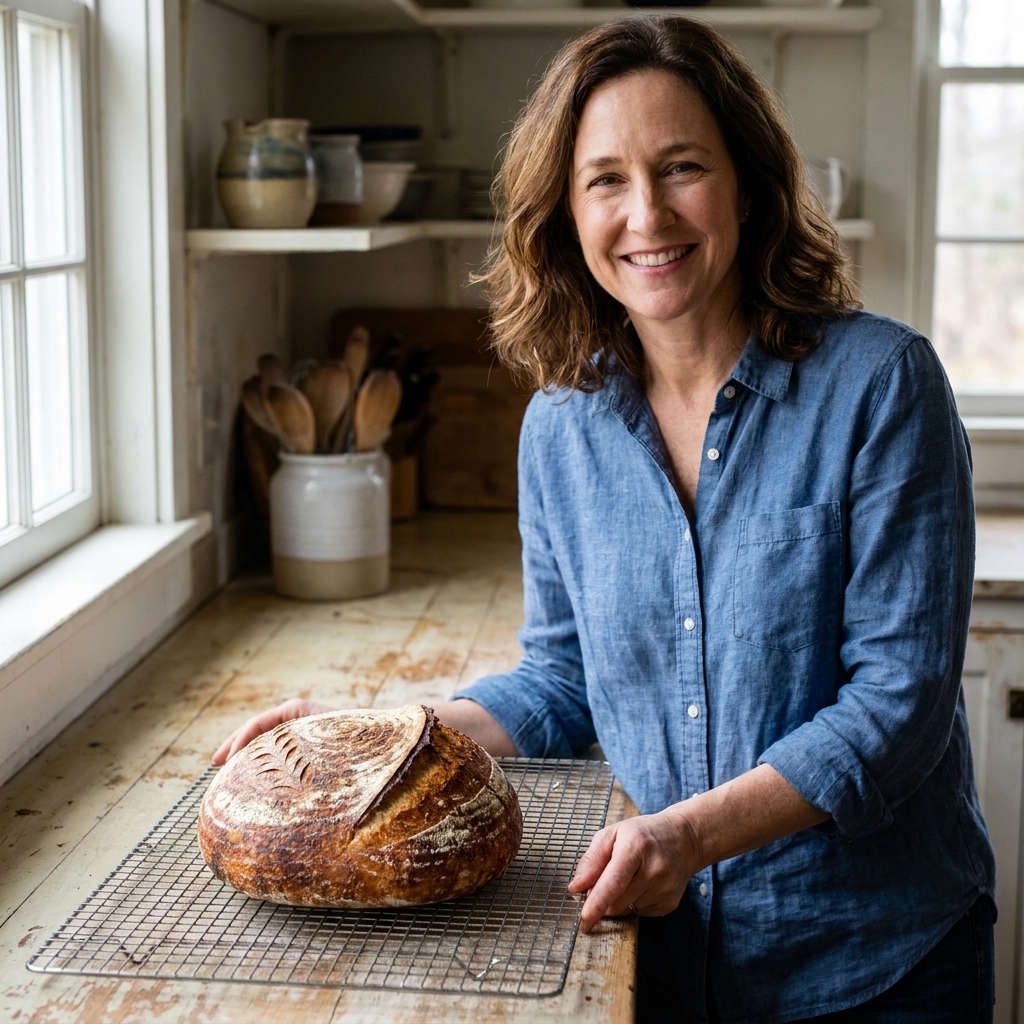
Sourdough makes a French toast casserole that feels a little less “dessert for breakfast” and a little more grown-up brunch. The gentle tang balances sweet toppings beautifully. It also has the best backbone of the three, which is wonderful if you hate mush.
How sourdough behaves
- Crust: Thicker and chewier, especially with artisan loaves.
- Crumb: Varies, but often more open and sturdy with some chew.
- Moisture absorption: Slower. It needs more time to soak through, especially the crusty edges.
- Flavor: Tangy and complex, less sweet.
Best for
- Casseroles with fruit (strawberries, peaches, blueberries) where you want balance
- Maple-forward recipes with nuts
- Not-too-sweet brunch spreads (think bacon, eggs, and a slice of casserole)
My sourdough tips (so it doesn’t stay chewy)
- Trim or tame the crust: If the crust is very thick, trim some off or cut smaller cubes so you don’t get tough, crusty bites.
- Give it time: Aim for an overnight soak, or at least 4 hours, so the custard can work into the crust.
- Pick a heartier loaf when you can: A more substantial crumb (not ultra-airy) tends to hold up best overnight.
- Consider a slightly richer custard: A little extra egg yolk or a splash of cream helps sourdough bake up more luxurious.
Quick pick: what to buy
If you’re standing in the bakery aisle with your coffee in hand, here’s the simplest way to decide:
- Choose brioche if you want the softest, richest, most custardy casserole and you are willing to dry the bread a bit first.
- Choose challah if you want the most reliable crowd pleaser with clean slices and great make-ahead results.
- Choose sourdough if you want structure, less sweetness, and strong protection against soggy texture.
Crust, crumb, and soak time
| Bread | Texture after baking | Soak speed | Overnight friendly? | Best move |
|---|---|---|---|---|
| Brioche | Very custardy, very soft | Fast | Yes, if dried first | Dry cubes, start on the lower end of liquid |
| Challah | Custardy with structure | Medium-fast | Excellent | Overnight soak for best interior |
| Sourdough | Defined pieces, slightly chewy edges | Slow | Very good, especially heartier loaves | Long soak, trim very thick crust |
Moisture-control moves
After years of 9x13 experimentation, these are my never-skip tricks for French toast casseroles.
1) Use slightly stale or dried bread
Fresh bread can turn gummy because it collapses before the custard sets. If your bread is fresh, dry it:
- Counter method: Cube and leave uncovered 2 to 6 hours.
- Oven method: Spread cubes on a sheet pan, bake at 300°F for 10 to 20 minutes, stirring once.
2) Pack the pan, but don’t mash it
You want the cubes nestled snugly so they support each other. If you compress them like stuffing, you get dense spots that bake up heavy.
3) Let it soak long enough
For even baking, the custard has to reach the center of the cubes.
- Minimum soak: 30 minutes (best for brioche or already-dry bread)
- Ideal soak: 4 hours to overnight (best for challah and sourdough)
4) Bake until the center is set
French toast casserole should jiggle slightly, not slosh. If the center is still wet, the bottom will feel soggy even after it cools. If you have a thermometer, aim for 160 to 165°F in the center for an egg-based custard.
5) Foil is not failure
Enriched breads and sugary toppings brown fast. If the top looks perfect but the middle needs time, tent with foil and keep baking.
Quick pan note: A deeper dish than a standard 9x13 usually needs more bake time, and you may need foil earlier to protect the top.
Best bread by style
- Classic cinnamon-vanilla: Challah or brioche
- Crème brûlée or caramel-pecan: Brioche (dry it first)
- Berry and cream cheese: Challah (holds pockets nicely)
- Apple, pear, or stone fruit: Sourdough or challah (fruit adds moisture)
- Chocolate chip or Nutella-style: Brioche (dessert vibe)
- Less-sweet brunch spread: Sourdough (that tang is magic with maple)
Make-ahead and freezer notes
French toast casserole is made for planning ahead. Here’s how I keep it from turning watery.
Option A: Assemble and refrigerate overnight (my favorite)
Best with challah or sourdough. Cover tightly so the top doesn’t dry out. In the morning, set it on the counter while the oven preheats so the dish isn’t ice-cold going into a hot oven.
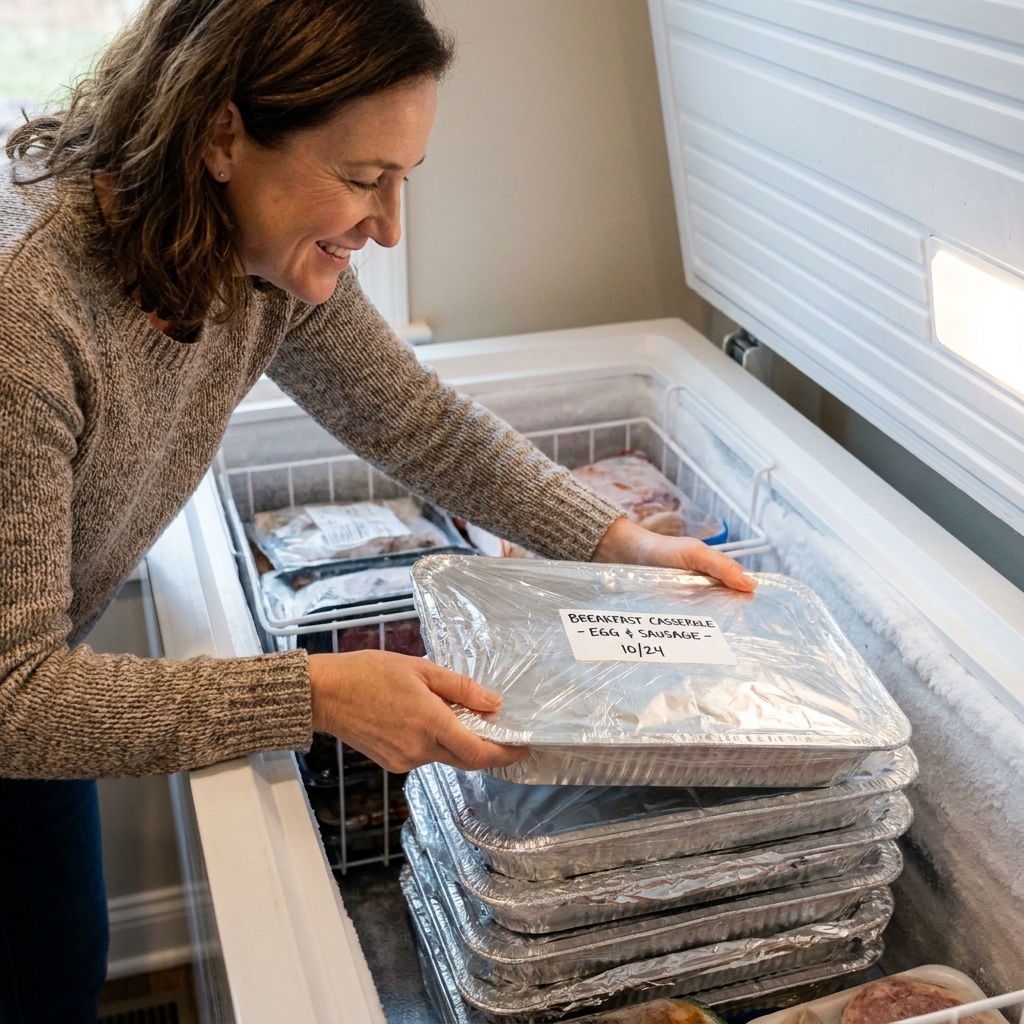
Option B: Freeze before baking (works, but varies)
If you want to freeze unbaked, challah and sourdough hold up better than brioche. Texture can be more unpredictable, and a little separation after thawing is normal.
- Assemble in a freezer-safe pan.
- Wrap tightly with a layer of plastic wrap and a layer of foil.
- Freeze up to 2 months for best texture.
- Thaw in the fridge 24 to 36 hours before baking.
- After thawing, whisk any pooled custard and gently press the bread back down so everything is evenly soaked again.
Option C: Freeze after baking (best all-around)
Bake fully, cool completely, then portion. Wrap portions well and freeze. Reheat covered so it warms through without drying out, then uncover briefly to re-crisp the top.
Troubleshooting
“My casserole is soggy on the bottom.”
- You may need more bake time. The center has to set.
- Your bread might have been too fresh. Dry cubes next time.
- Too much liquid or add-ins (like juicy fruit) can water down custard. Toss fruit with a spoonful of flour or cornstarch before layering.
“The top is brown but the middle is still wet.”
- Cover loosely with foil and keep baking.
- Check that your pan isn’t overfilled. A too-full 9x13 takes longer to set in the center.
- If you used brioche or a sugary topping, expect faster browning. Foil early next time.
“It’s chewy in spots.”
- Common with thick-crust sourdough. Trim crust or cube smaller.
- Soak longer, especially if refrigerating overnight was skipped.
“It tastes eggy.”
- Add a little more vanilla and cinnamon, plus a pinch of salt.
- Swap part of the milk for cream, or add one extra yolk instead of extra whole eggs for a softer custard flavor.
My neighborly bottom line
If you want one answer: challah is the safest bet for most French toast casseroles. It soaks beautifully, slices cleanly, and reheats like a champ.
But when you want a special-occasion bake, brioche brings the luxe. And when you want a sturdier, less-sweet casserole that stands up to fruit and long soaks, sourdough is your best friend.
If you tell me what toppings you’re using and whether you’re baking right away or overnight, I can point you to the best pick for your exact pan.